Table

What We're Building

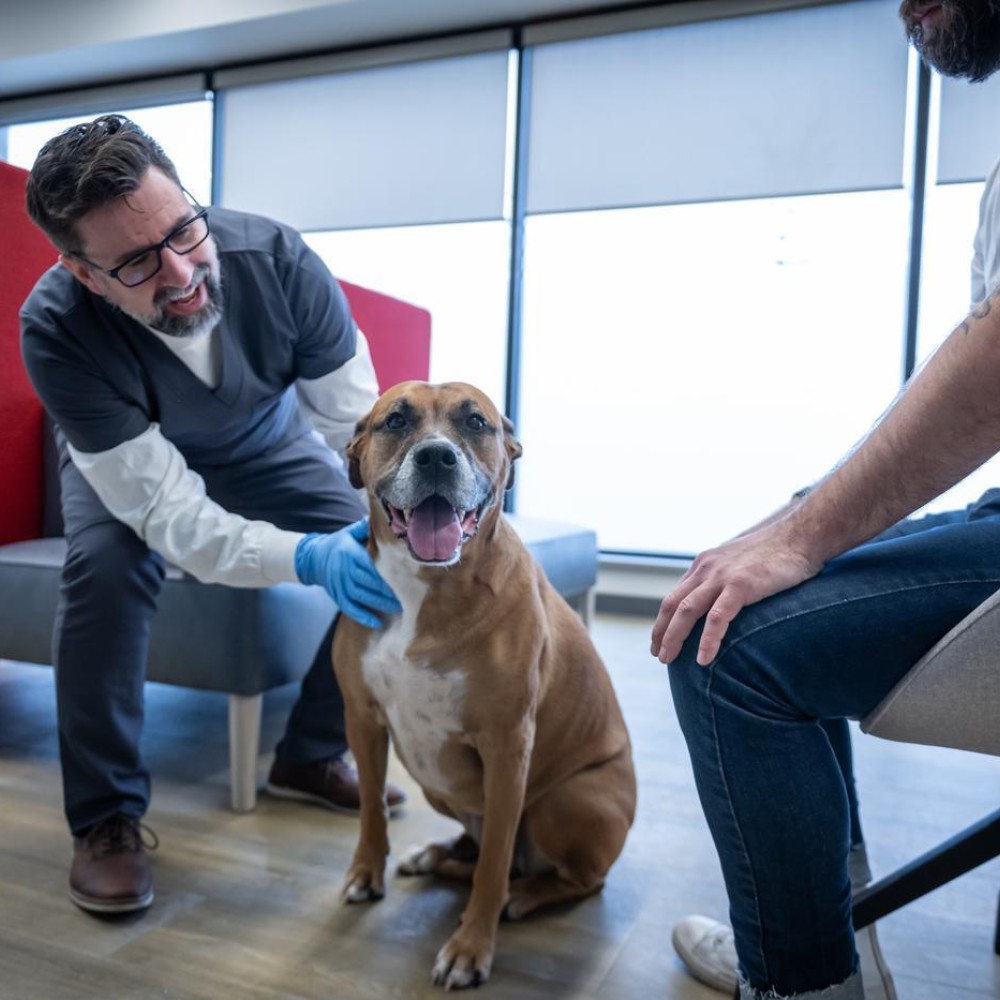
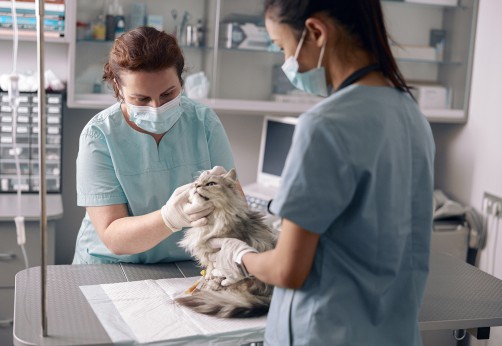
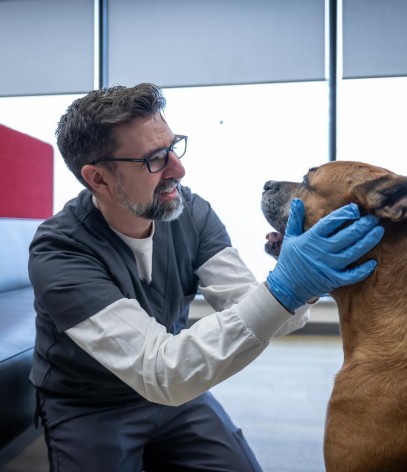
Fanshawe is developing a veterinary care simulation lab designed to mirror actual clinical settings. Students will use the space to practise procedures, work through clinical workflows, and develop the technical skills required in veterinary practice.

The lab will build on existing experiential learning opportunities, including Fanshawe's partnership with the Humane Society London & Middlesex, to give students a well-rounded path from the classroom to the clinic.

Spacer
Spacer

Why It Matters

Icon of veterinary medicine, featuring a medical cross and a paw print in a red circle.

Demand Is Growing

The need for veterinary assistants and technicians continues to grow across Ontario. Graduates go on to work in clinics, shelters, research facilities, and other animal care settings.

Icon of a veterinary medical record with a red cross, checkmarks, and a paw print.

Simulation Makes Better Practitioners

Students who practise in a controlled environment before working with animals develop stronger clinical skills and make fewer errors when it counts. It also puts animal welfare first.

Icon of a cat paw with red pads.

Closing the Gap Between School and Work

A simulation lab gives students a place to rehearse real procedures, make mistakes safely, and build the confidence that classroom learning alone can't provide.

How you can help

Student Awards

Help students pursuing careers in animal care stay enrolled and complete their programs.

Specialized Equipment and Technology

Equip the lab with the tools, training models, and technology students need to practise real veterinary procedures.

Learning Space Refurbishment

Support the renovation of the physical space into a clinical environment that reflects settings students will work in after graduation.