

Published
Tuesday, May 12, 2026
Last Updated
An interview with Brendan Morrissey, BEd, MPT, HBSc, program coordinator Occupational Therapist Assistant and Physiotherapist Assistant
Physiotherapy careers play a key role in healthcare. From injury recovery to long-term rehabilitation, physiotherapists help people improve movement, manage pain and maintain independence. For those exploring jobs in physiotherapy, the field offers multiple directions depending on interests, skills and work environments.
What makes physiotherapy careers unique
Physiotherapy is not limited to one type of role.
“Physiotherapy is a very diverse career with many different paths.”
That diversity allows professionals to work with different patient groups and focus on specific areas of care over time. Physiotherapy is often referred to as physical therapy in other regions, particularly in the United States.
Where physiotherapists work
Physiotherapy jobs exist in a range of healthcare environments.
Musculoskeletal clinics Treating orthopaedic conditions, back pain, arthritis and sports injuries
Home care and community settings Supporting individuals who need rehabilitation in their own environment
Long-term care Helping residents maintain mobility, reduce fall risks and improve daily function
Hospitals and rehabilitation centres Supporting recovery after surgery, stroke, illness or injury
Paediatric settings Working with children who have developmental or neurological needs
Each setting involves a different type of patient care and pace of work.
Image
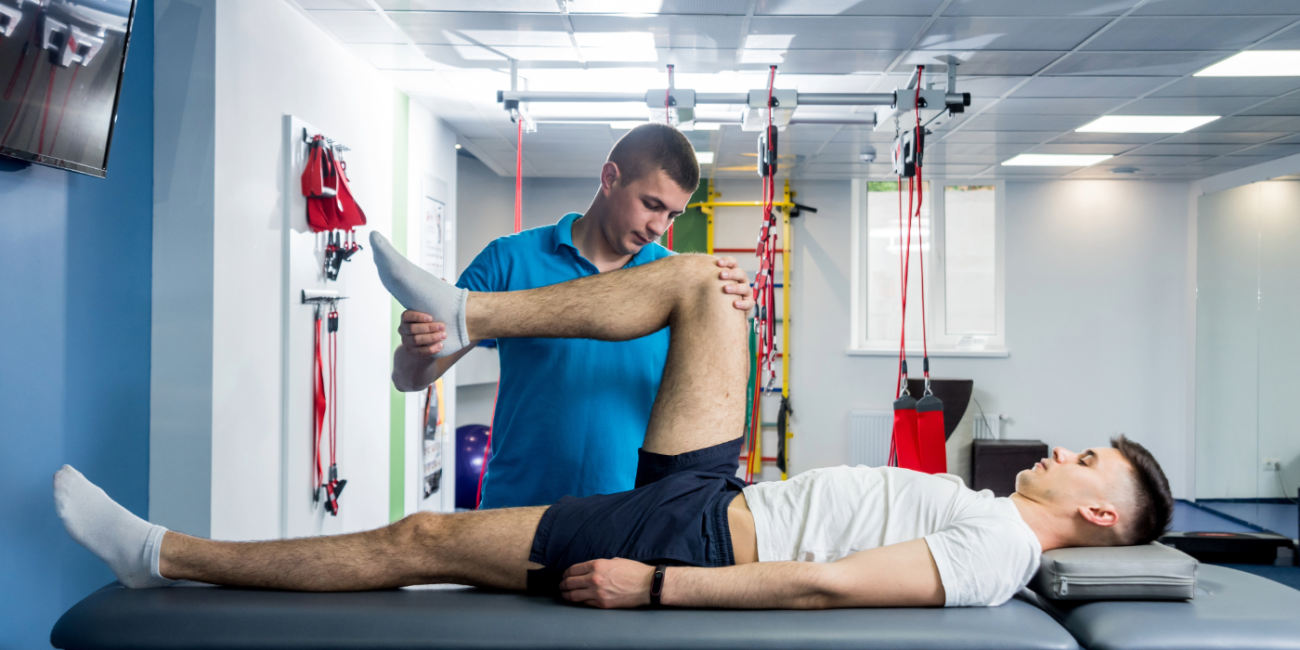
Specializations in physiotherapy
As physiotherapists gain experience, many choose to specialize. Common areas include: orthopaedics, neurological physiotherapy, sports physiotherapy, cardiorespiratory therapy and geriatric physiotherapy. Canada also offers structured pathways for further specialization.
The growing role of team-based care
Physiotherapy is increasingly collaborative. Physiotherapists often work alongside Occupational Therapist Assistants (OTA) and Physiotherapist Assistants (PTA) in team-based models.
In this approach:
- The physiotherapist assesses and sets goals
- The OTA and PTA support exercises and functional training
- The physiotherapist monitors progress and adjusts treatment
“There is a greater need for team-based rehabilitation where physiotherapists work closely with other health care providers.”
How physiotherapy is evolving in Canada
Physiotherapy continues to change as technology and care models evolve.
“Virtual care is becoming more common, especially when it makes sense for the patient.”
Virtual physiotherapy expanded during the pandemic and remains useful for patients in remote areas, individuals with mobility challenges, follow-up appointments and
situations where in-person care is not possible. Physiotherapists use video to demonstrate exercises, monitor progress and adjust treatment plans safely.
Technology is becoming part of everyday physiotherapy practice. Wearable devices such as fitness trackers allow patients to monitor activity levels and progress. Physiotherapists can use this information to support goal setting and track outcomes over time.
Expanding scope of practice
The role of physiotherapists is also expanding, in some Canadian provinces, physiotherapists can order diagnostic imaging such as X-rays. Ontario is exploring similar changes.
“Some provinces already allow physiotherapists to order imaging, and Ontario is moving in that direction.”
This shift may improve efficiency and allow for more targeted treatment.
Starting your path in physiotherapy
Jobs in physiotherapy exist across many areas of the healthcare system, because of this, graduates are not limited to a single type of workplace. They can move between settings over time as their experience and interests develop. Education is the first step toward working in this field. Programs like Fanshawe College’s Occupational Therapist Assistant and Physiotherapist Assistant diploma prepare graduates to support physiotherapists in clinical, community and long-term care environments.
This provides a pathway into rehabilitation work and hands-on experience in patient care.
A career that continues to grow
Physiotherapy continues to evolve through specialization, technology and collaboration. It remains a practical, people-focused career that supports mobility, recovery and long-term health. For those considering healthcare careers, physiotherapy offers multiple directions and long-term potential.
Article created by Mercedes Chandler,, Bachelor of Commerce - Digital Marketing student. Brought to you in collaboration with Village Creative, an experiential learning opportunity at Fanshawe College.
Related Blog Posts
Image

Which Pre-Health Sciences Pathway Program is best for you?
October 1, 2026
Choosing the right post-secondary program can feel overwhelming, especially if you’re interested in healthcare but aren’t sure which career path within health sciences is right for you.
A 1-year Pre-Health Sciences Pathway program can help you explore
Image

How to Redesign Your Backyard | Step-by-Step Landscape Design Guide
May 13, 2026
Learn how to redesign your backyard with this step-by-step guide. Discover landscape design tips, planning strategies, and expert advice for beginners.
View Blog Post
Image
Future of Pharmacy in Canada | Trends, Scope & Career Opportunities
May 13, 2026
Explore the future of pharmacy in Canada, including expanded roles, prescribing powers, and career opportunities for pharmacy technicians and assistants.
View Blog Post