
Published
Tuesday, May 12, 2026
Last Updated
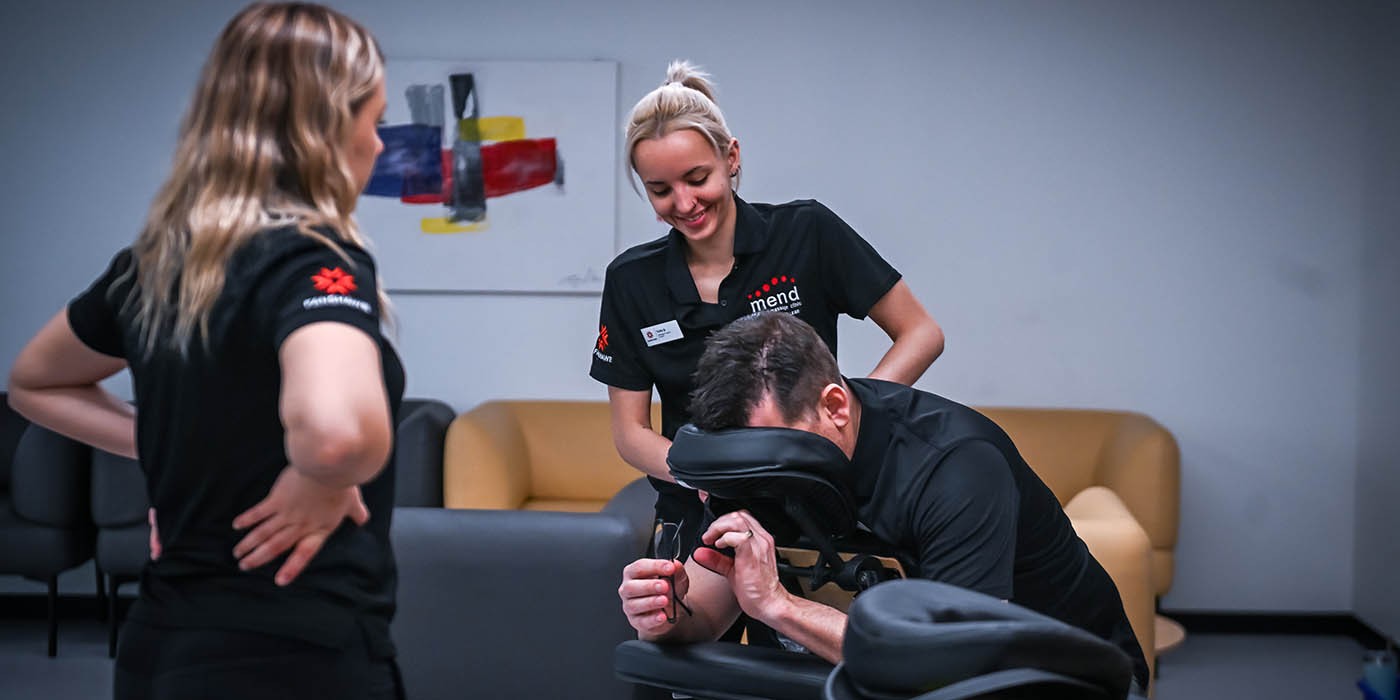
An interview with An interview with Jennifer Patterson, RMT, faculty, Massage Therapy.
If you are thinking about how to become a massage therapist, the path today is more structured than it used to be. Massage therapy has evolved into a regulated healthcare profession. Education, technology and patient expectations continue to shape how massage therapists are trained and how they practice. For those considering a career in Ontario, understanding both the training and the realities of massage therapy can help you decide if it is the right fit.
What does a massage therapist do?
A massage therapist works directly with clients to assess their needs and adapt treatment in real time.
This may include:
- Assessing physical condition
- Adjusting techniques based on daily changes
- Supporting recovery and mobility
- Tracking outcomes over time
The role combines technical skill with communication and clinical awareness.
Image
How to become a massage therapist in Ontario
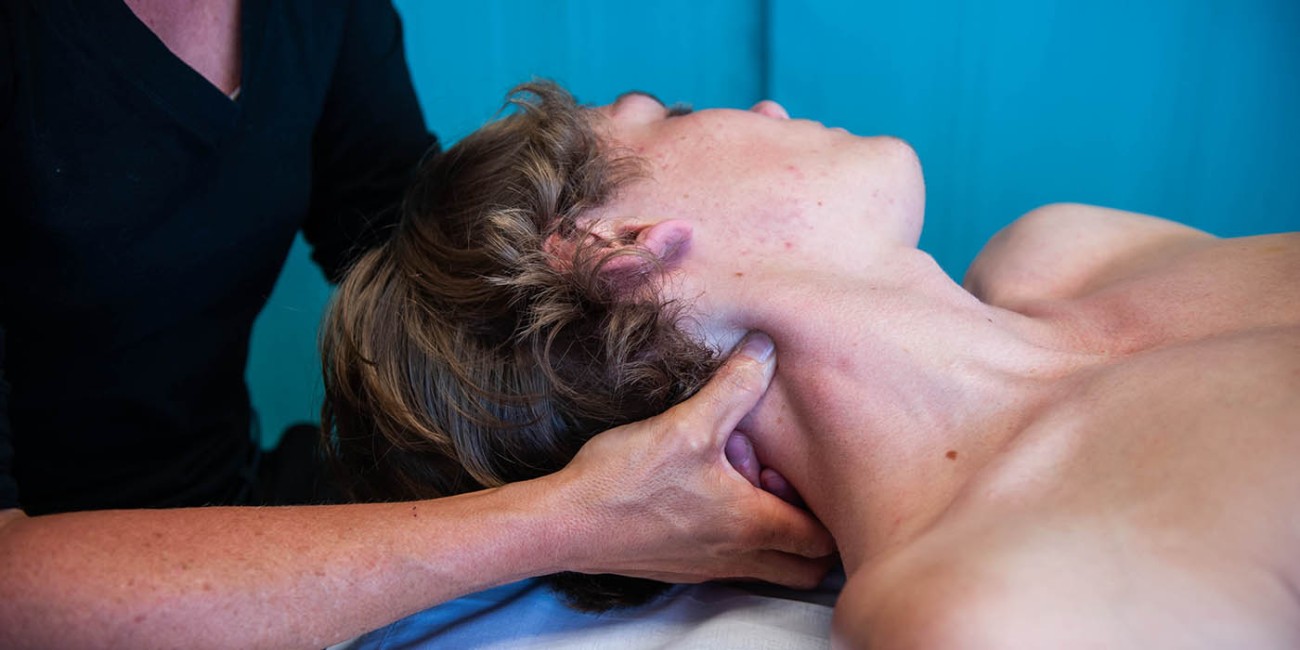
Becoming a massage therapist requires formal education and training. This typically includes:
- Enrolling in a massage therapy program
- Completing hands-on clinical training
- Preparing for certification and licensing
Massage therapist schooling focuses on both theory and practice, helping students build the skills needed for real clinical environments.
What you learn in massage therapy programs
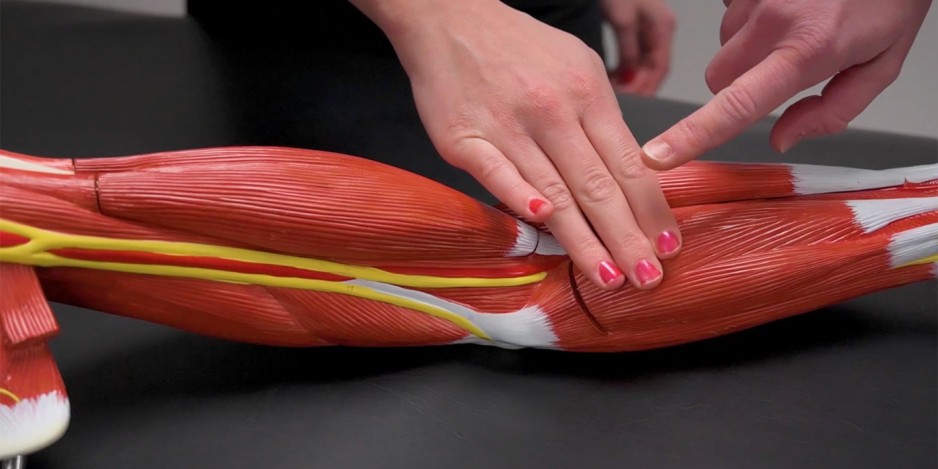
Massage therapy programs provide a foundation in both science and hands-on care. Students learn anatomy and physiology, assessment techniques, treatment planning, pathology, clinical skills. Programs also include supervised clinical experience.
At Fanshawe College, students gain hands-on experience in an on-campus clinic, preparing them for professional practice as massage therapists.
Image
How massage therapy is evolving
Massage therapy is no longer based on fixed routines.
“The industry has shifted. It’s not just A-B-C-D anymore. We’re training students to assess the client in the moment and adapt based on what they need right then.”
This shift toward client-centred care reflects how massage therapists are trained and how they practice today.
How technology is changing massage therapy
Massage therapy remains a hands-on profession, but technology is changing how massage therapists manage their work.
“We’re still very much a human-to-human profession, but technology is making things like record-keeping, reminders and assessments much easier.”
Examples include:
- Online booking systems
- Digital reminders
- Software that tracks patient history
- Tools that support documentation
Technology supports the work without replacing the therapist.
Why biomechanics matter for massage therapists
Massage therapy can be physically demanding. Training now includes a focus on biomechanics to help massage therapists protect their bodies and build sustainable careers.
“The traditional career lifespan for massage therapists used to be short. At Fanshawe College, we teach students how to protect their bodies while they treat others.”
This includes:
- Proper posture and movement
- Adjustable equipment
- Techniques to reduce strain
- Tools that support safer practice
Why continuing education is important
Learning does not stop after graduation. Massage therapists in Ontario are expected to continue developing their skills and reflect on their practice.
“We used to have to earn a certain number of continuing education units. Now, it’s more self-directed. You choose your own goals, track your progress and reflect on your development.”
This helps ensure massage therapists remain current and adaptable.
What the future looks like for massage therapists
Massage therapy continues to grow as a healthcare profession. While many industries are becoming more automated, massage therapy remains focused on human connection.
“We’re not on the tech side of the spectrum. We’re the ones helping people recover from being hunched over their devices all day.”
Is massage therapy the right career for you?
If you are considering how to become a massage therapist, it is important to think about both the training and the nature of the work.
Massage therapy combines:
- Hands-on care
- Clinical knowledge
- Ongoing learning
- Personal connection
“At the end of the day, we’re helping people feel better in their bodies and that’s a pretty great job to have.”
For many people, that combination is what makes the career meaningful.
Article created by Swapthika Nallavelli, Marketing Management student. Brought to you in collaboration with Village Creative, an experiential learning opportunity at Fanshawe College.
Related Blog Posts
Image
Which Pre-Health Sciences Pathway Program is best for you?
October 1, 2026
Choosing the right post-secondary program can feel overwhelming, especially if you’re interested in healthcare but aren’t sure which career path within health sciences is right for you.
A 1-year Pre-Health Sciences Pathway program can help you explore
Image

How to Redesign Your Backyard | Step-by-Step Landscape Design Guide
May 13, 2026
Learn how to redesign your backyard with this step-by-step guide. Discover landscape design tips, planning strategies, and expert advice for beginners.
View Blog Post
Image
Future of Pharmacy in Canada | Trends, Scope & Career Opportunities
May 13, 2026
Explore the future of pharmacy in Canada, including expanded roles, prescribing powers, and career opportunities for pharmacy technicians and assistants.
View Blog Post