

Reading Time
2 minutes
Published
Wednesday, May 13, 2026
Last Updated
An interview with Lyona Lunter, RPhT, BA, MPEd, Pharmacy Technician & Community Pharmacy Assistant programs
If you're considering a career in pharmacy that is patient-facing, one of the first decisions you'll face is whether to work in a community pharmacy or a hospital setting. While both roles support patient care and medication safety, the day-to-day work, pace, and level of patient interaction can be very different. In this guide, we’ll explore the key differences between hospital and community pharmacy jobs in Canada—and help you decide which path might be the right fit for your personality and career goals.
Community Pharmacies
Community pharmacies (like retail or independent drugstores) are highly interactive. You'll talk to patients daily, answer questions, and support their care in real time.
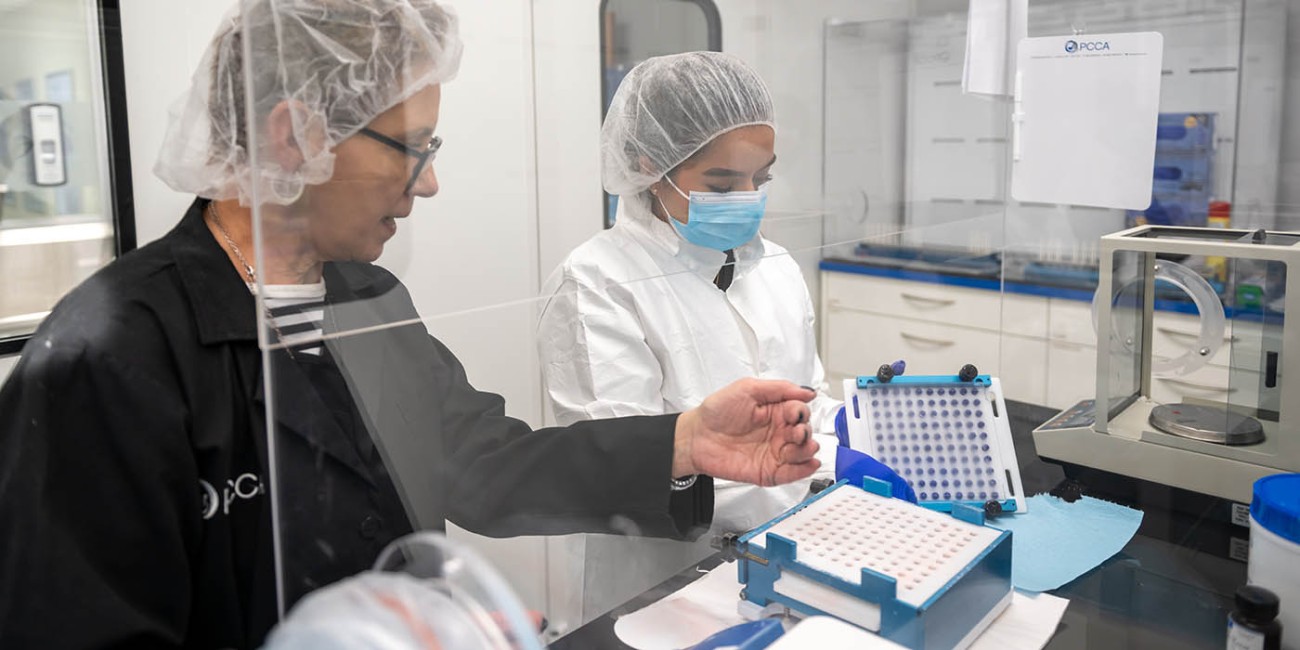
Hospital Pharmacies
Hospital pharmacies are more behind-the-scenes, focusing on the technical preparation and delivery of medications without regular face-to-face interaction.
What kind of personality thrives in each?
Choosing between hospital and community pharmacy often comes down to your personality and working style.
Community pharmacy may suit you if you:
Enjoy speaking with people and providing professional services
Thrive in a fast-paced, public-facing environment
Want to build relationships with repeat patients
Hospital pharmacy may be a better fit if you:
Prefer quieter, task-focused work with fewer interruptions
Enjoy working independently or in small clinical teams
Are drawn to the technical side of medication preparation
“Community pharmacy is interactive and collaborative in the sense of involving patients in their care. In hospital pharmacy, we’re not interacting with patients as much, unless working within certain specialized roles.”
Image
Roles and responsibilities in each setting
Community pharmacies
- Greeting patients and collecting prescriptions
- Verifying insurance and billing
- Filling and labeling prescriptions
- Educating patients on proper use of medical devices
- Managing inventory and over-the-counter products
- Providing professional services (i.e. minor ailment prescribing, performing community immunizations, etc.)
Hospital pharmacies
- Reviewing physician orders and preparing medications
- Sterile compounding (e.g., IV medications)
- Delivering meds to wards or using tube systems
- Supporting clinical teams behind the scenes
- Working in specialized roles, such as performing Best Possible Medication Histories (BPMH) or as Drug Access Navigators
“Community pharmacy is dynamic and changing. Now registered pharmacy technicians can perform certain immunizations to support the evolving role of the pharmacist. It is a great time to be a pharmacy technician.”
Image

Compensation, growth and training differences
Your work setting can influence wages, benefits, and career growth:
Hospital pharmacy:
Often includes unionized roles, pension plans, and more structured pay scales
May offer higher starting wages in some regions
Community pharmacy:
Increasingly competitive salaries, especially as demand grows for trained pharmacy technicians
More variety in tasks and expanded scope, such as supporting pharmacists with minor ailment prescribing and performing certain immunizations
“Community pharmacies are now starting to match what hospitals are offering… because there is such a demand for registered pharmacy technicians.”
This article was developed by Joshua Millard, Bachelor of Commerce - Digital Marketing (Co-op) student. Brought to you in collaboration with Village Creative, an experiential learning opportunity at Fanshawe College.
Related Blog Posts
Image

Which Pre-Health Sciences Pathway Program is best for you?
October 1, 2026
Choosing the right post-secondary program can feel overwhelming, especially if you’re interested in healthcare but aren’t sure which career path within health sciences is right for you.
A 1-year Pre-Health Sciences Pathway program can help you explore
Image

How to Redesign Your Backyard | Step-by-Step Landscape Design Guide
May 13, 2026
Learn how to redesign your backyard with this step-by-step guide. Discover landscape design tips, planning strategies, and expert advice for beginners.
View Blog Post
Image
Future of Pharmacy in Canada | Trends, Scope & Career Opportunities
May 13, 2026
Explore the future of pharmacy in Canada, including expanded roles, prescribing powers, and career opportunities for pharmacy technicians and assistants.
View Blog Post