
Reading Time
3 minutes
Published
Wednesday, May 13, 2026
Last Updated
An interview with Corinne Wilmink, B.Sc, MLA, P.Eng., Program Coordinator, Landscape Design Technician
Redesigning your backyard can be exciting, but also overwhelming. Where do you start? What plants will thrive? How do you make it functional and beautiful at the same time?
This practical approach to backyard design is based on real design principles and breaks the process down into manageable steps. From assessing the space to sketching ideas and defining goals, it reflects how today’s landscape designers are trained to think and plan.
Here is Corinne’s step-by-step method for creating an outdoor space that works with nature, not against it.
1. Assess your existing yard
You have to look at your yard and analyze it. That means taking a hard look at what’s already there.
Ask yourself:
What direction does my backyard face? (South = full sun and heat, North = cooler and shaded)
Are there any slopes or uneven ground?
Where are the utility lines, both above and below ground?
Image
2. Understand microclimates that might exist in your yard
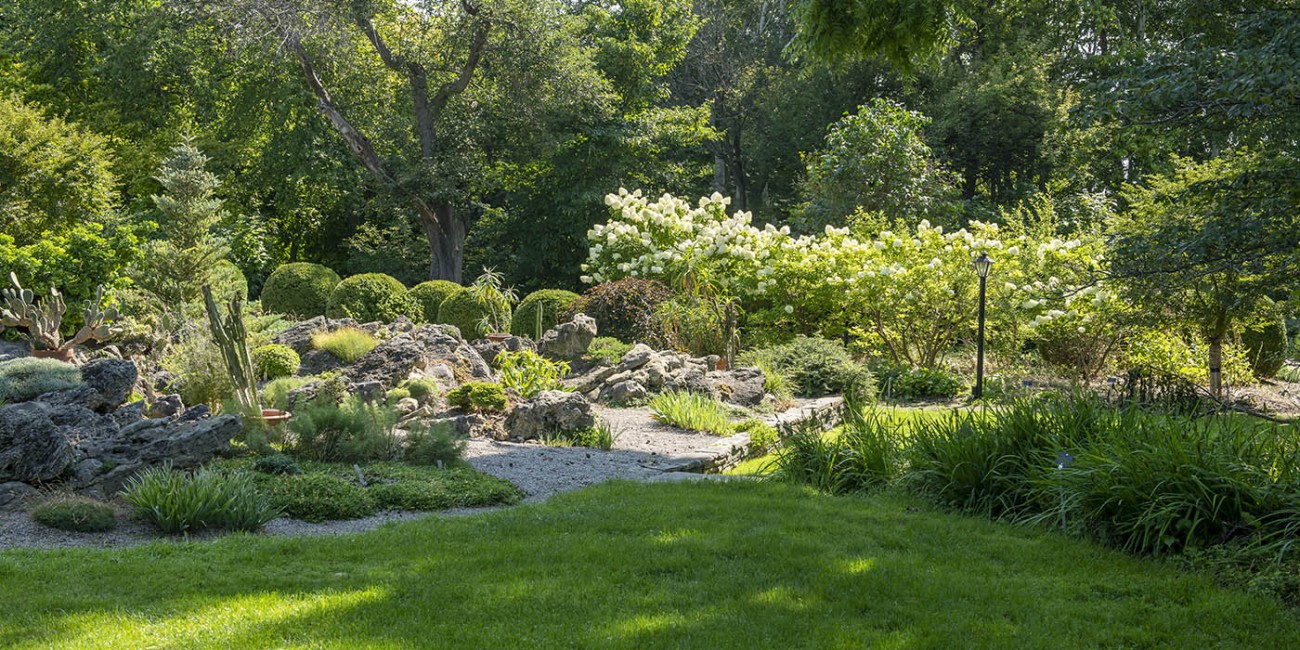
Even on the same property, different areas can behave like different climates.
That means the same plant could thrive in one part of your yard and struggle in another. Observing where the sun hits during the day and how moisture collects can save you from costly planting mistakes.
3. Set clear goals
Once you’ve assessed your site, it’s time to ask the big question: What do you want your garden to do?
Is it a relaxing retreat?
A place for entertaining?
A productive garden for vegetables or herbs?
Think if your lawn and your garden together, as one space. This mindset shift, from fragmented areas to a unified space can change how you approach your layout and plant selection.
4. Sketch a basic layout
Design plans often begin with a to-scale sketch, even if it’s drawn by hand. This simple layout helps visualize how different elements, like patios, trees, and paths relate to one another and supports clearer, more intentional spatial planning.
A sketch will help you visualize your spaces and see how close they are to amenities like trees, patios, or windows.
Students who are familiar with Minecraft or video games often already understand spatial relationships and plan views, making this step more intuitive than it might seem. Starting with a simple sketch lays the foundation for organizing key zones and elements in your design.
5. Look at images you like
When someone isn’t sure about their design style, gathering visual references, like photos of gardens they admire, can help clarify their preferences and direction.
Most people don’t know what they want but if they can show me five gardens they love, I can get clear direction.
Gathering a few images helps communicate aesthetic preferences more clearly than words alone. These images serve as an anchor throughout the design process and reduce the chances of impulse buying later.
Image

6. Know your style
Each landscape design style brings its own set of requirements, influencing not just the look of the space but also the types of materials used and the level of maintenance involved. Choosing a style early helps guide practical decisions throughout. Taking time to reflect on personal preferences ensures the final landscape feels cohesive, intentional, and suited to long-term use.
7. Think in phases
A backyard transformation doesn’t have to be completed in one go. Many people choose to implement their plans gradually, spreading the work and costs across seasons. This phased approach allows flexibility, better budgeting, and time to refine the overall vision.
Spreading the project over multiple seasons allows flexibility for refining your design and balancing budget constraints. This phased approach also gives plants time to establish and allows the space to evolve naturally.
This article was developed by Vansh Pau, Marketing Management student. Brought to you in collaboration with Village Creative, an experiential learning opportunity at Fanshawe College.
Related Blog Posts
Image

Which Pre-Health Sciences Pathway Program is best for you?
October 1, 2026
Choosing the right post-secondary program can feel overwhelming, especially if you’re interested in healthcare but aren’t sure which career path within health sciences is right for you.
A 1-year Pre-Health Sciences Pathway program can help you explore
Image

Future of Pharmacy in Canada | Trends, Scope & Career Opportunities
May 13, 2026
Explore the future of pharmacy in Canada, including expanded roles, prescribing powers, and career opportunities for pharmacy technicians and assistants.
View Blog Post
Image

Community vs Hospital Pharmacy in Canada | Roles, Skills & Career Paths
May 13, 2026
Compare community vs hospital pharmacy in Canada. Learn key differences in roles, work environment, and career paths for pharmacy professionals.
View Blog Post