
Reading Time
3 minutes
Published
Wednesday, May 13, 2026
Last Updated
An interview with Lyona Lunter, RPhT, BA, MPEd, Pharmacy Technician & Community Pharmacy Assistant programs
What happens behind the counter?
A step-by-step look at how prescriptions are filled in Canada
Dropping off a prescription might seem simple, but behind the counter is a careful, multi-step process led by trained pharmacy staff. Understanding how it works builds trust and helps Canadians feel more confident about their care.
Step 1: Intake — The First Point of Contact
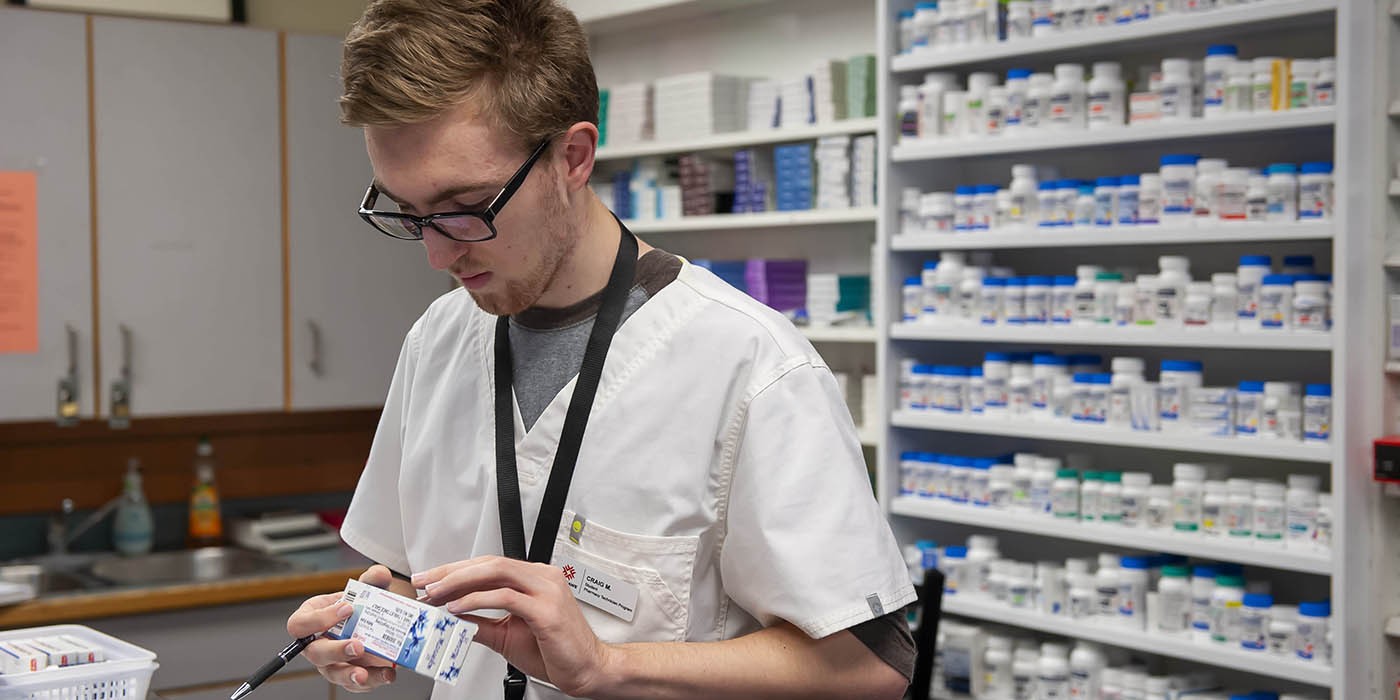
When a patient drops off a prescription at a community pharmacy, the first person they typically meet is the pharmacy assistant. Though this role is unregulated, it is essential to the workflow. The assistant collects the prescription, confirms the patient's information, and initiates the intake process.
At this stage, they would also gather details such as drug coverage, billing information, and applicable identification.
This first step lays the foundation for everything that follows—ensuring the prescription is attached to the correct patient and processed correctly.
Step 2: Data entry and processing by the Pharmacy Assistant
Next, the prescription enters the processing stage, often still handled by a pharmacy assistant. Here, the prescription details are entered into the pharmacy software system. This includes ensuring the 5 “R’s” of medication safety: the right drug, the right dose, the right time, the right route, and the right person. The pharmacy assistant will also translate prescriber details and ask the patient for their insurance information (if applicable).
The assistant also verifies key patient information, which is critical to the system's ability to flag potential issues later, such as drug interactions or allergy conflicts. At this stage, the system may also communicate with provincial drug databases or private insurers to confirm coverage.
Image
Step 3: Filling the Prescription
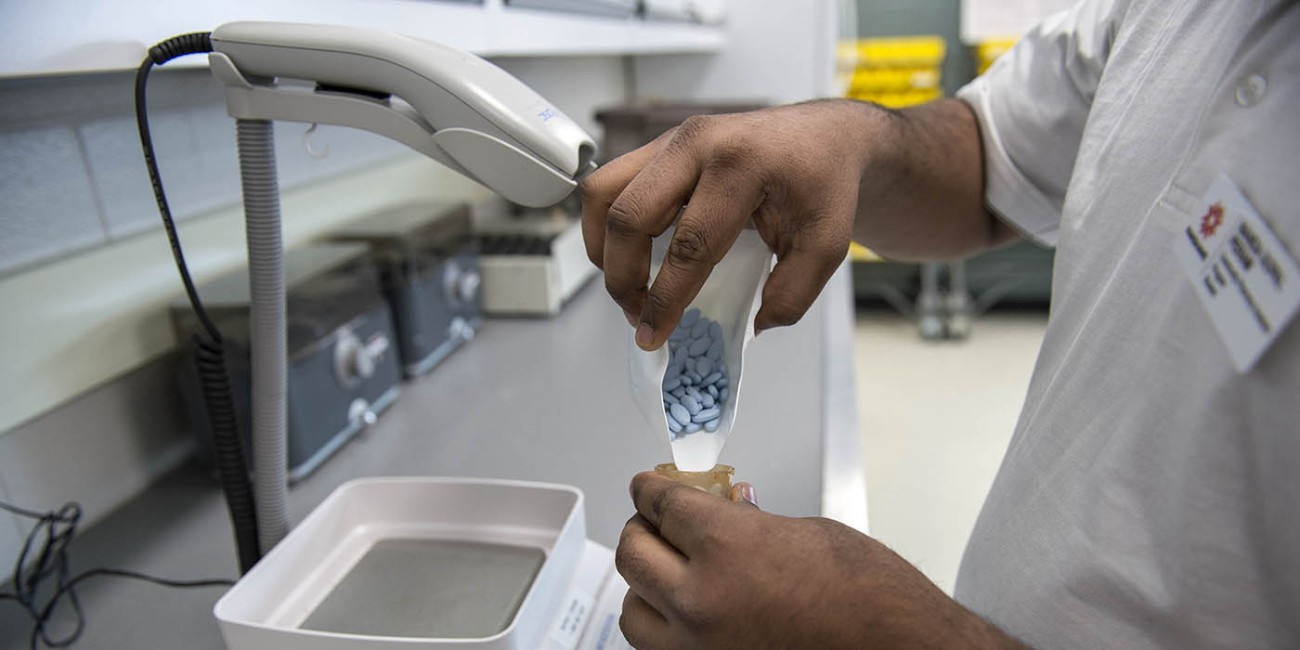
Once processed, the prescription moves to the filling station. A pharmacy assistant typically handles this step as well, retrieving the correct medication from inventory and preparing the prescription for packaging.
Depending on the medication, this could involve counting pills, measuring creams, ointments or liquids. Labels are printed and affixed, including both dosage instructions and auxiliary labels—the coloured warning labels you see on bottles (e.g., "Keep refrigerated" or "Take with food"). It is detailed, hands-on work that requires precision and focus.
Step 4: Final Technical Check by a Registered Pharmacy Technician
Now, a registered pharmacy technician steps in for the final technical check.
The technician checks all technical components of the prescription (those 5 “R’s!), including verification that the claim has been processed correctly.
This stage is critical because the pharmacy technician is legally responsible for signing off on the technical accuracy of the prescription and the official receipt.
If the assistant processed a claim for a professional service, such as a flu shot, the registered pharmacy technician (with injection certification) would physically perform the injection. Pharmacy technicians are responsible for many similar professional services, such as assisting patients with device demonstration training (e.g., glucometers) and point-of-care testing, as their role continues to expand.
Step 5: Therapeutic Check by the Pharmacist
Finally, before the medication reaches the patient, the pharmacist conducts a therapeutic check. This can occur at any stage in the prescription-filling process, though in more efficient workflows it typically happens at the very beginning, when the patient drops off the prescription.
This clinical review goes beyond technical accuracy; it looks at whether the prescription is appropriate for the patient based on their full medical history.
The pharmacist will consider drug interactions, allergies, duplicate therapies, and whether the dosage is suitable for the patient’s age, weight, or other conditions.
This step is where clinical expertise ensures the prescription is right for the patient’s health and safety.
This article was developed by Joshua Millard, Bachelor of Commerce - Digital Marketing (Co-op) student. Brought to you in collaboration with Village Creative, an experiential learning opportunity at Fanshawe College.
Related Blog Posts
Image

See Your Degree Differently: Inside Fanshawe’s Digital Marketing Degree
October 23, 2026
A degree should prepare you for a career, but how you get there can make all the difference. At Fanshawe, a degree means learning by doing, building industry connections and gaining real-world experience before you graduate. Just ask Joshua Millard
Image

Which Pre-Health Sciences Pathway Program is best for you?
October 1, 2026
Choosing the right post-secondary program can feel overwhelming, especially if you’re interested in healthcare but aren’t sure which career path within health sciences is right for you.
A 1-year Pre-Health Sciences Pathway program can help you explore
Image

How to Redesign Your Backyard | Step-by-Step Landscape Design Guide
May 13, 2026
Learn how to redesign your backyard with this step-by-step guide. Discover landscape design tips, planning strategies, and expert advice for beginners.
View Blog Post