
Published
Monday, May 11 2026
Last Updated
An interview with Meaghan MacDonell, RECE, MPEd, Professor, Early Childhood Education program.
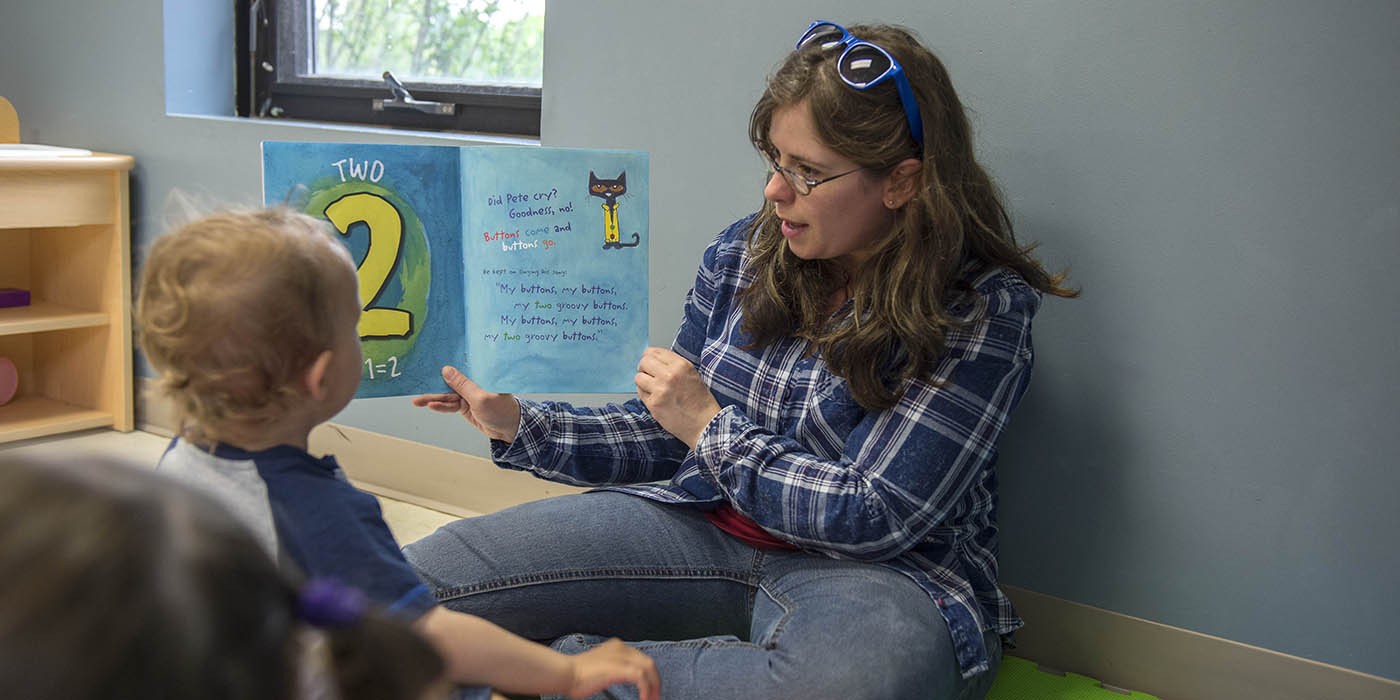
In early childhood education, inclusion does not begin when a child struggles to participate. It begins much earlier. It begins with how environments are designed. “If we assume diversity from the beginning, then we do not need to scramble to accommodate later.” This approach challenges a common assumption. Inclusion is often treated as something reactive, something that happens after a barrier appears. In practice, inclusive early childhood education is intentional from the start.
Inclusion is built into the environment
Early learning environments communicate expectations. What is available, how spaces are arranged and which forms of participation are valued all send signals about who belongs.When environments are designed around a narrow idea of development, some children will be excluded without anyone intending it. Inclusive environments take a different approach.
They are designed with the expectation that children will:
- engage in different ways
- communicate differently
- participate at different paces
This shift moves inclusion from something added later to something built into the foundation of the space.
Image
Using Universal Design for Learning in early childhood education
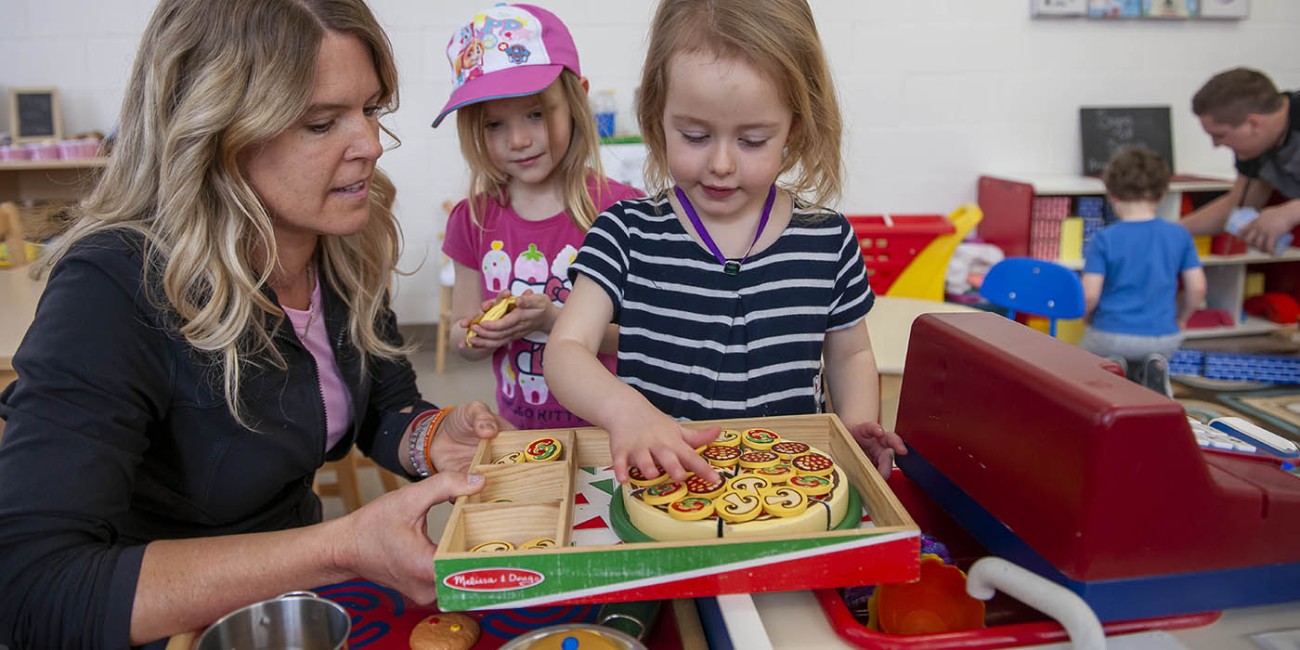
One framework often used in inclusive early childhood education is Universal Design for Learning (UDL). Rather than designing for an “average” child, UDL encourages educators to plan for variability.
This includes offering:
- multiple ways for children to engage with learning
- multiple ways to represent understanding
- multiple ways to express themselves
“When we offer multiple avenues into learning, we are not doing something special for one child, we are expanding access for everyone.” This approach reduces the need to single out individual children because access is already part of the design.
Moving beyond one “right” way to participate
Many early learning environments still carry an unspoken expectation of what participation should look like. Sitting still. Using spoken language. Following routines in a specific order. The language educators use to describe participation and behaviour also shapes how children experience inclusion within early learning environments. Children who participate differently may be seen as disengaged or challenging. Inclusive early childhood education broadens that definition.
Flexibility creates access
Flexible environments support a wider range of needs.
This might show up as:
- adaptable materials that can be used in different ways
- routines that allow for variation
- spaces that support both active and quiet engagement
“Participation does not always look the same, and rigid environments tend to create barriers.”
Flexibility does not mean a lack of structure. It means creating structure that can respond to children, rather than expecting children to adapt to it.
Inclusion is an ongoing process
Designing inclusive environments is not something that is done once and finished. It requires continuous reflection.
Educators regularly ask:
- Who is being supported here?
- Who might be experiencing barriers?
- What small changes could improve access?
Small adjustments, such as rearranging space, adding visual supports or creating quieter areas, can have a significant impact.
Image
How early childhood education in Ontario supports inclusion
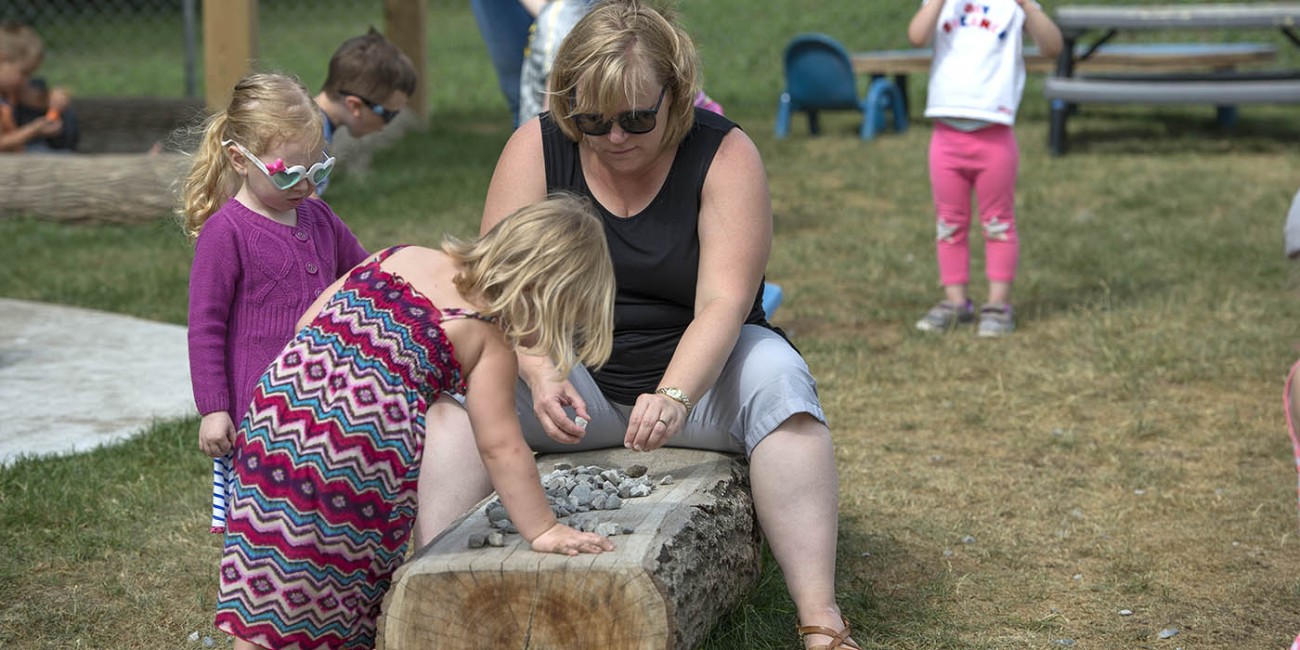
In Ontario, early childhood educators are guided by the framework How Does Learning Happen? The framework is intentionally presented as a question. It encourages educators to view learning environments as responsive and evolving, rather than fixed. This approach helps prevent stigma. Support becomes part of the environment, not something that marks a child as different.
Preparing educators to design inclusive environments
Early childhood education programs play a key role in preparing future educators. At Fanshawe College, students learn to examine how space, materials and routines shape children’s experiences. Through applied learning and reflection, they develop the skills needed to design environments that expect and value diversity.
Designing for belonging
Inclusive early childhood education is ultimately about belonging.“When children see themselves reflected in the environment and are able to participate in ways that make sense to them, belonging follows.” When environments are designed with diversity in mind from the beginning, inclusion becomes part of everyday practice. Not something added. But something built in.
This article was developed with contributions from Maria Kazi, Honours Bachelor of Commerce – Digital Marketing student. Brought to you in collaboration with Village Creative.
For any media inquiries, please reach out to mediainquiries@fanshawec.ca
Recent News
-
October 23, 2026
Poppies available starting October 24
Read StoryOn October 24, Canadians are encouraged to start wearing poppies in honour of our veterans and... -
October 22, 2026
Temporary service interruptions related to the global PHP outage
Read StoryAs many organizations around the world continue to respond to what is becoming known as the "PHP... -
October 22, 2026
Dell Top Tech sale, October 2026
Read StorySavings for Fanshawe students and employees Looking for a new laptop, monitor or desktop? Dell...
Recent News
-
May 8, 2025
Construction Delays
Read StoryDue to ongoing construction in the area, there may be delays in reaching our clinic. We kindly ask... -
April 15, 2025
New Spring Schedule
Read StoryWe’re excited to announce that the spring schedule is now available on our website as we transition... -
December 16, 2024
2025 Pricing Adjustment
Read StoryEffective January 1st, our fees will increase to $30 per treatment. We understand that this is a...