
Published
Monday, May 11 2026
Last Updated
An interview with Meghan Mastronardi, MID, NCIDQ, LEED AP, ARIDO Educator Registered, IDC, Honours Bachelor of Interior Design Program
Interior design influences more than appearance. The spaces we live, work and learn in can shape how we think, feel, heal and function every day. From natural lighting and indoor air quality to biophilic design and restorative environments, interior spaces can have a powerful effect on both physical and mental well-being. This is the psychology of interior design. It’s the understanding that thoughtful spaces can do more than look good. They can support comfort, reduce stress, improve focus and help people feel healthier.
What is the psychology of interior design?
The psychology of interior design explores how built environments influence human emotions, behaviours and overall wellness. This goes beyond choosing colours or furniture. It involves understanding how design choices affect mood, productivity, mental clarity and physical comfort. Whether in homes, schools, offices or healthcare environments, interior design can shape the user experience in meaningful ways.
“Whether you’re designing residential or commercial spaces, you can apply similar principles to support user well-being. We have to think about how people feel in a space and how it impacts their health and not only how it looks.”
The role of natural lighting in interior design psychology
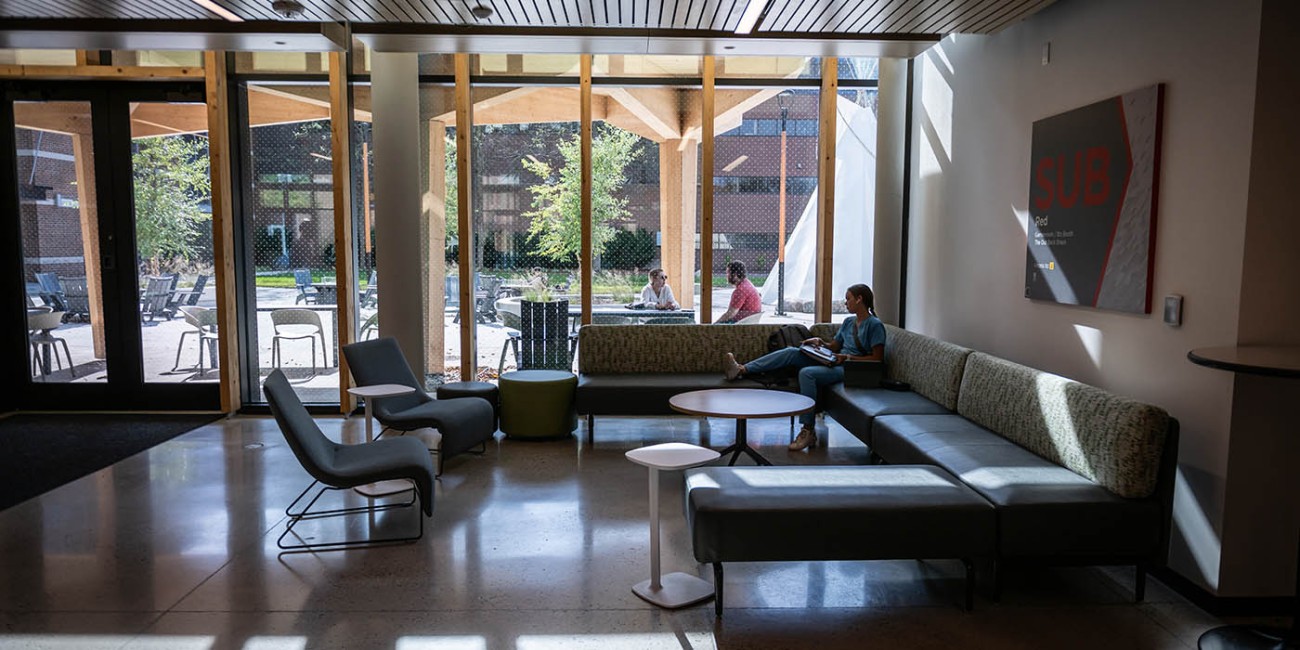
Natural lighting is one of the most influential elements in interior design. It affects more than brightness. Access to daylight can influence sleep, energy levels, mood and productivity.
Natural lighting and circadian rhythm
Exposure to daylight helps regulate the body’s internal clock. Bright daylight during the day can support alertness and energy, while lower, warmer light in the evening may better support melatonin production and sleep quality.
“If you focus on lower levels of lighting and warm lighting in the evening, it helps melatonin production and contributes to better quality sleep.”
Image
Mood, productivity and recovery
Natural lighting can also affect how people feel and function. In workplaces, educational settings and healthcare spaces, daylight may support creativity, reduce stress and even contribute to healing.
“Patients who are exposed to daylight can actually heal quicker than those who don’t have access to natural light.”
Designing for better natural lighting
Good daylighting involves more than adding windows. Window placement, glare control, reflective finishes, skylights and adjustable shades can all help improve comfort while maximizing the benefits of natural lighting.
How indoor air quality affects comfort and behaviour
The psychology of interior design also includes what we can’t always see. Indoor air quality can significantly influence comfort, concentration and how people feel in a space.
“There are many things that go unseen like off-gassing from finishes and furniture or poor ventilation but these elements have a significant impact on how people feel in a space.”
Material choices matter
Interior materials can influence indoor air quality.
Low-VOC (volatile organic compound) or zero-VOC products, natural materials and environmentally certified furnishings may help reduce pollutants and create healthier spaces.
Examples include: low-VOC paints, natural hardwood, cork, bamboo, certified furnishings
Ventilation and fresh air
Airflow also matters. Operable windows, fresh air exchange and mechanical systems that bring in outside air can help improve indoor air quality and support user comfort.
Plants and healthier spaces
Plants can also contribute to healthier interiors.
“Plants act like natural air filters. Including some indoor plants can help make a space healthier by improving the air quality.”
Biophilic design and the connection to nature
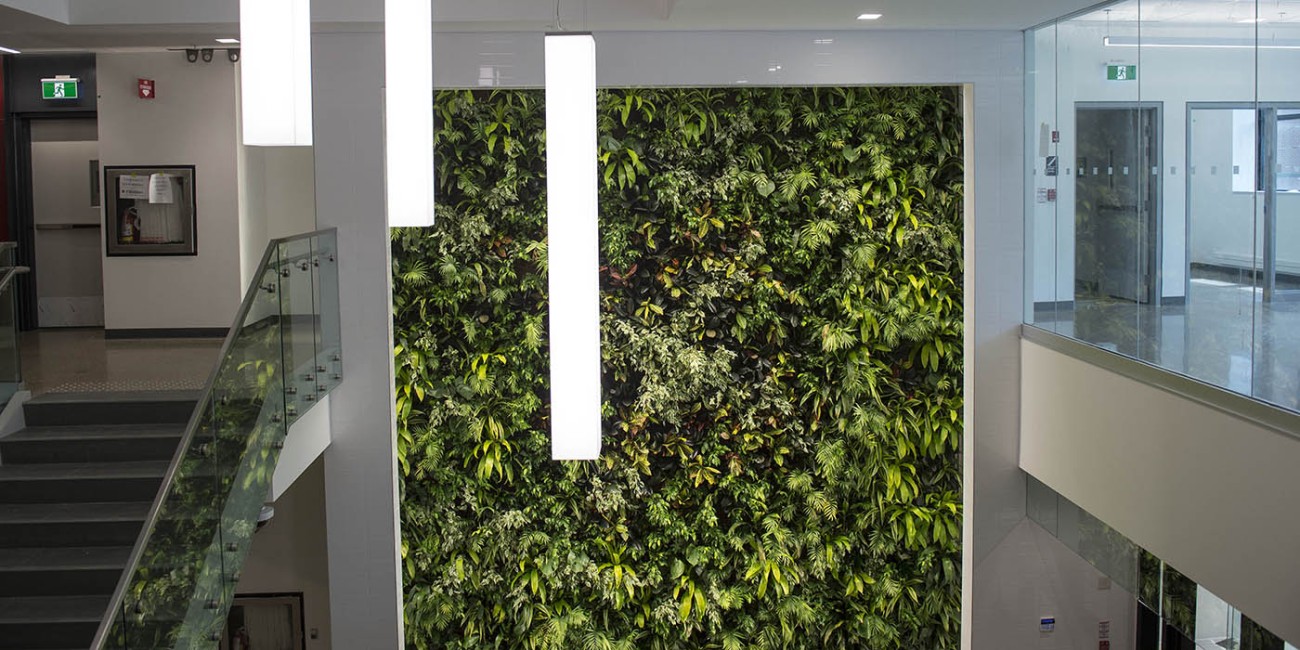
Biophilic design means incorporating elements of nature into interior spaces. This may include natural materials, greenery, organic textures, outdoor views or nature-inspired patterns. Biophilic design supports the psychological connection between people and nature.
“Biophilic design helps reduce stress, supports mental health, and even promotes healing.”
Common biophilic design strategies include:
- Wood, stone and natural textures
- Indoor plants or living walls
- Views of trees, gardens or water
- Landscape artwork
- Organic forms and patterns
By bringing aspects of nature indoors, designers can help create spaces that feel calmer, healthier and more restorative.
Image
Designing spaces that support comfort and well-being
Interior psychology also includes sensory comfort. Relaxation-focused spaces consider more than visuals. They may also support acoustic comfort, thermal comfort, movement and organization.
Acoustic comfort
Noise levels can affect concentration and stress. Acoustic materials and quiet zones can help improve comfort.
Thermal comfort
People often feel better when they have some control over temperature through operable windows or zoned systems.
Movement and mindfulness
Interior spaces can also support well-being by encouraging movement, stretching or mindful breaks.
“Whether you’re a student or someone working from home, your body needs to move throughout the day. Design should support that.”
Decluttering and mental clarity
The psychology of interior design includes how visual environments affect stress.
Cluttered spaces may increase anxiety, while thoughtful organization and clean layouts can support calm and focus.
“Visual clutter can really raise stress levels, so keeping your space organized helps improve clarity and reduce anxiety.”
More than aesthetics
Interior design is not just about style. It can influence how people breathe, sleep, focus and feel. Through natural lighting, indoor air quality, biophilic design and thoughtful planning, interior design becomes a tool for supporting health and human experience.
Good design should feel as good as it looks.
“Anyone can do a little something to improve their own space. Whether it’s incorporating more natural light, better artificial lighting, considering quality ergonomic furniture, or bringing in a plant or something that connects you to nature.”
This article was developed by Swapthika Nallavelli, Marketing Management student. Brought to you in collaboration with Village Creative, an experiential learning opportunity at Fanshawe College.
For any media inquiries, please reach out to mediainquiries@fanshawec.ca
Recent News
-
September 16, 2026
Orange shirts available at The Falcon Shop
Read StoryIn support of the National Day for Truth and Reconciliation on September 30, orange shirts are now... -
September 15, 2026
Rooted in community
Read StoryCreating a safer space for families Welcome to Spotlight, a new digital content series showcasing... -
September 14, 2026
10th day of 2026 fall semester: September 21
Read StoryImportant deadline for full-time students Monday, September 21 is the tenth day of the 2026 fall...
Recent News
-
May 8, 2025
Construction Delays
Read StoryDue to ongoing construction in the area, there may be delays in reaching our clinic. We kindly ask... -
April 15, 2025
New Spring Schedule
Read StoryWe’re excited to announce that the spring schedule is now available on our website as we transition... -
December 16, 2024
2025 Pricing Adjustment
Read StoryEffective January 1st, our fees will increase to $30 per treatment. We understand that this is a...