
Published
Monday, May 11 2026
Last Updated
An interview with Corinne Wilmink, B.Sc, MLA, P.Eng., program coordinator Landscape Design Technician
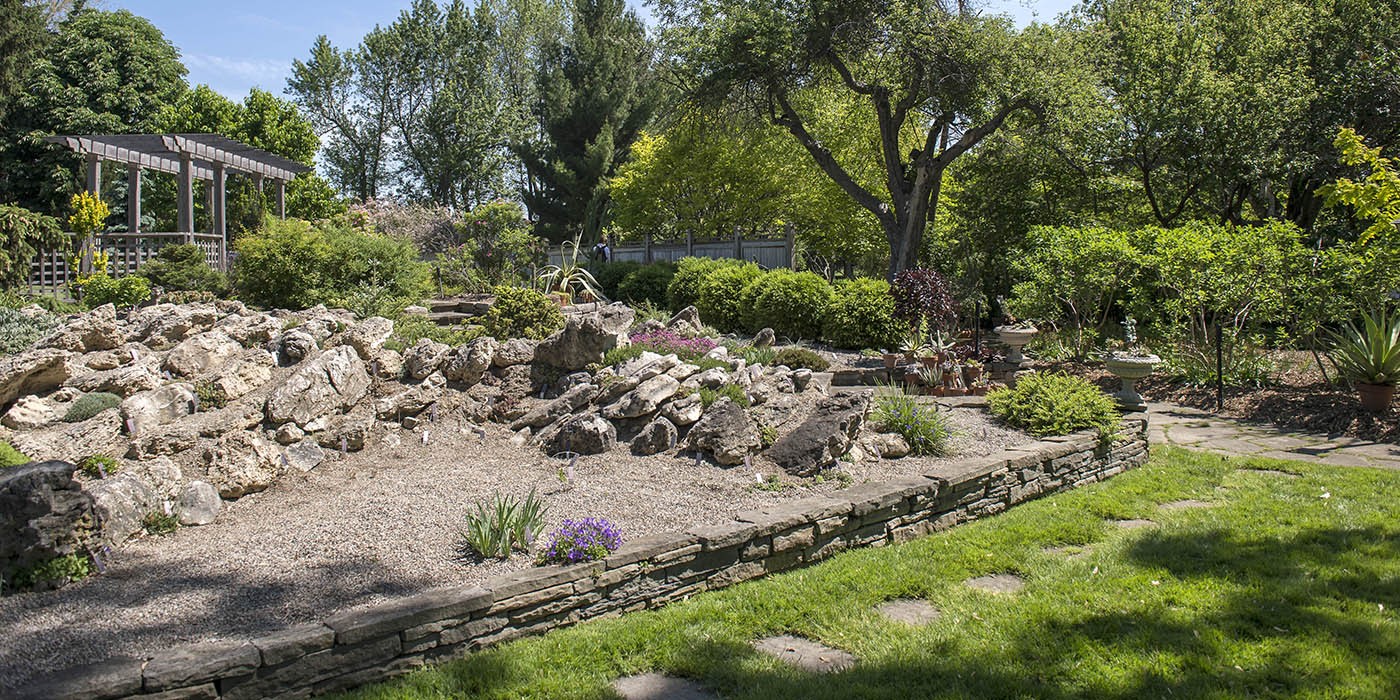
Across Canada, more homeowners are rethinking what a garden can be. It is no longer just about appearance. Sustainable landscaping focuses on how outdoor spaces function, using natural systems to create landscapes that require fewer resources and better support local ecosystems. The result is a yard that is easier to maintain and more connected to its environment.
What is sustainable landscaping?
Sustainable landscaping is about designing outdoor spaces that work with nature rather than against it.
This includes:
- Reducing water use
- Supporting local wildlife
- Improving soil health
- Minimizing waste
It shifts the focus from control to balance.
Choose plants that belong in your region
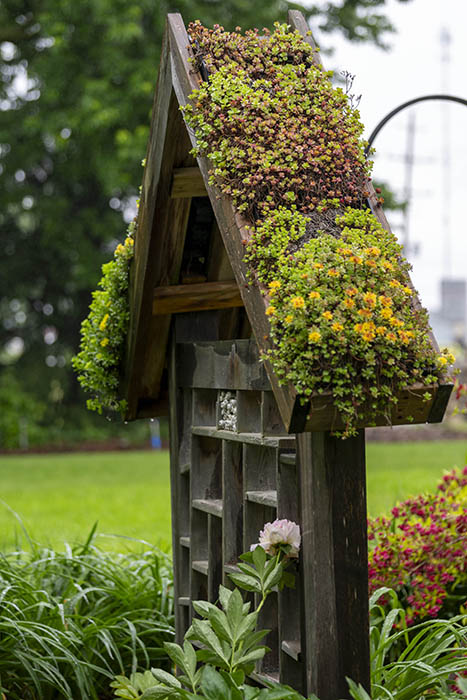
One of the most important parts of sustainable landscape design is choosing plants suited to local conditions. Native plants are adapted to the climate, soil and rainfall patterns in your area. This means they require less water, need fewer inputs such as fertilizers, support pollinators and wildlife.
“Native plants are not as curated and well behaved as exotic plants but they give back to the ecosystem.”
Image
Capture and use rainwater
Water management plays a key role in sustainable landscaping. Instead of letting rainwater run off into storm drains, it can be captured and reused.
Options include:
- Rain barrels to collect roof runoff
- Rain gardens that absorb and filter water
- Redirecting downspouts toward planting areas
- These strategies reduce water waste and support plant health.
Use local and recycled materials
Material choices affect the environmental impact of your landscape. Using local or reclaimed materials reduces emissions and adds character.
Examples include:
- Reusing bricks, wood or stone
- Choosing gravel instead of poured concrete
- Building structures from salvaged materials
- These decisions support both sustainability and design.
Compost what you already have
Composting is one of the simplest ways to build a more sustainable landscape. Organic materials such as leaves, yard waste and kitchen scraps can be turned into nutrient-rich soil. Benefits include reducing waste, improving soil structure and supporting plant growth.
“It’s only a little bit of effort and you get a lot out of it. It’s like black crumbled gold for your garden.”
Reduce hard surfaces
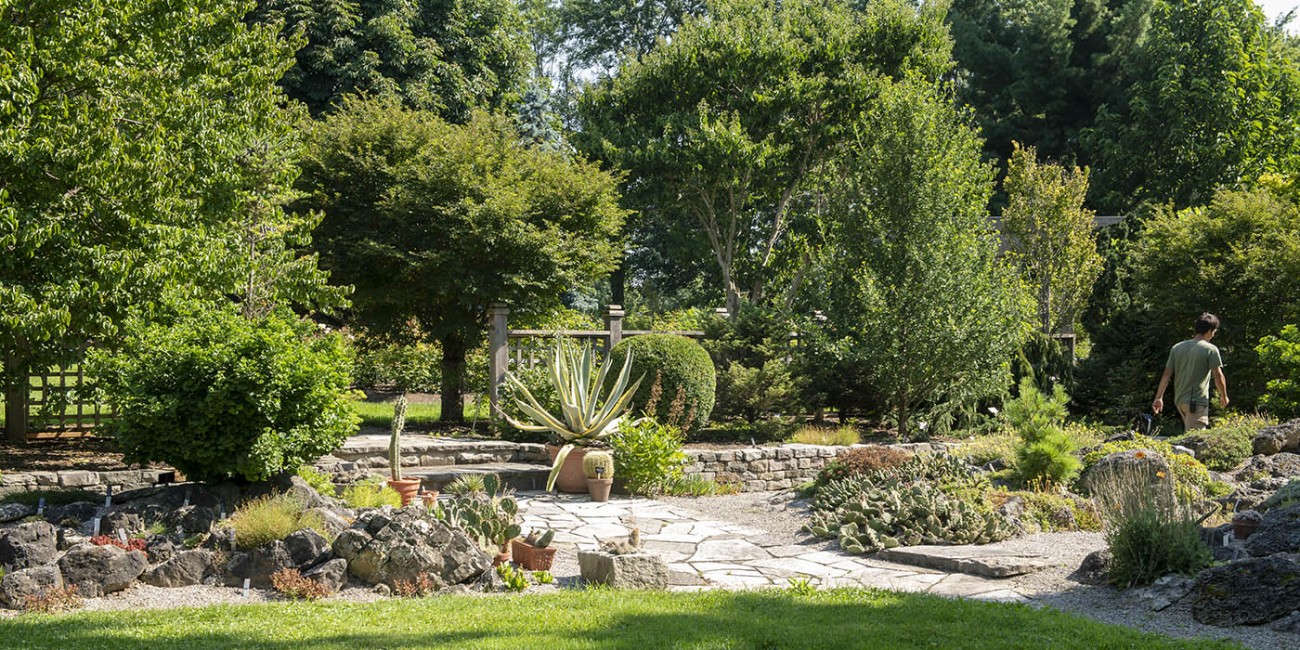
Too many hard surfaces can limit how water moves through your yard. Patios, driveways and paved areas can prevent rainwater from soaking into the ground. Sustainable alternatives include: permeable gravel paths, mulch walkways and expanded planting areas. These options support natural water absorption.
Image
Rethink traditional garden design
Sustainable landscaping often challenges traditional ideas of what a yard should look like. Instead of perfectly trimmed lawns and structured planting, it embraces a more natural approach.
This may include:
- Leaving seed heads and stems through winter
- Choosing shrubs with seasonal interest
- Planting trees that provide year-round value
“You should be planting for all seasons. Consider trees and shrubs that look beautiful even in winter.”
These choices support biodiversity and create a landscape that evolves over time.
A more sustainable way to garden
Sustainable landscaping is not about doing everything at once. It is about making thoughtful choices that work with your environment. By focusing on plants, water, materials and soil, you can create a landscape that is both functional and resilient.
For many homeowners, it starts with one small change.
And builds from there.
This article was developed by with contributions from Vansh Paul, Marketing Management student. Brought to you in collaboration with Village Creative, an experiential learning opportunity at Fanshawe College.
For any media inquiries, please reach out to mediainquiries@fanshawec.ca
Recent News
-
October 22, 2026
Temporary service interruptions related to the global PHP outage
Read StoryAs many organizations around the world continue to respond to what is becoming known as the "PHP... -
October 22, 2026
Dell Top Tech sale, October 2026
Read StorySavings for Fanshawe students and employees Looking for a new laptop, monitor or desktop? Dell... -
October 21, 2026
Complex challenges require collaborative solutions
Read OpinionAs Fanshawe looks toward 2035, our leaders will share their perspectives on the issues that matter...
Recent News
-
May 8, 2025
Construction Delays
Read StoryDue to ongoing construction in the area, there may be delays in reaching our clinic. We kindly ask... -
April 15, 2025
New Spring Schedule
Read StoryWe’re excited to announce that the spring schedule is now available on our website as we transition... -
December 16, 2024
2025 Pricing Adjustment
Read StoryEffective January 1st, our fees will increase to $30 per treatment. We understand that this is a...