
Reading Time
4 minutes
Published
Tuesday, May 12, 2026
Last Updated
An interview with Patrick Hersey, program coordinator, Culinary Skills and Culinary Management
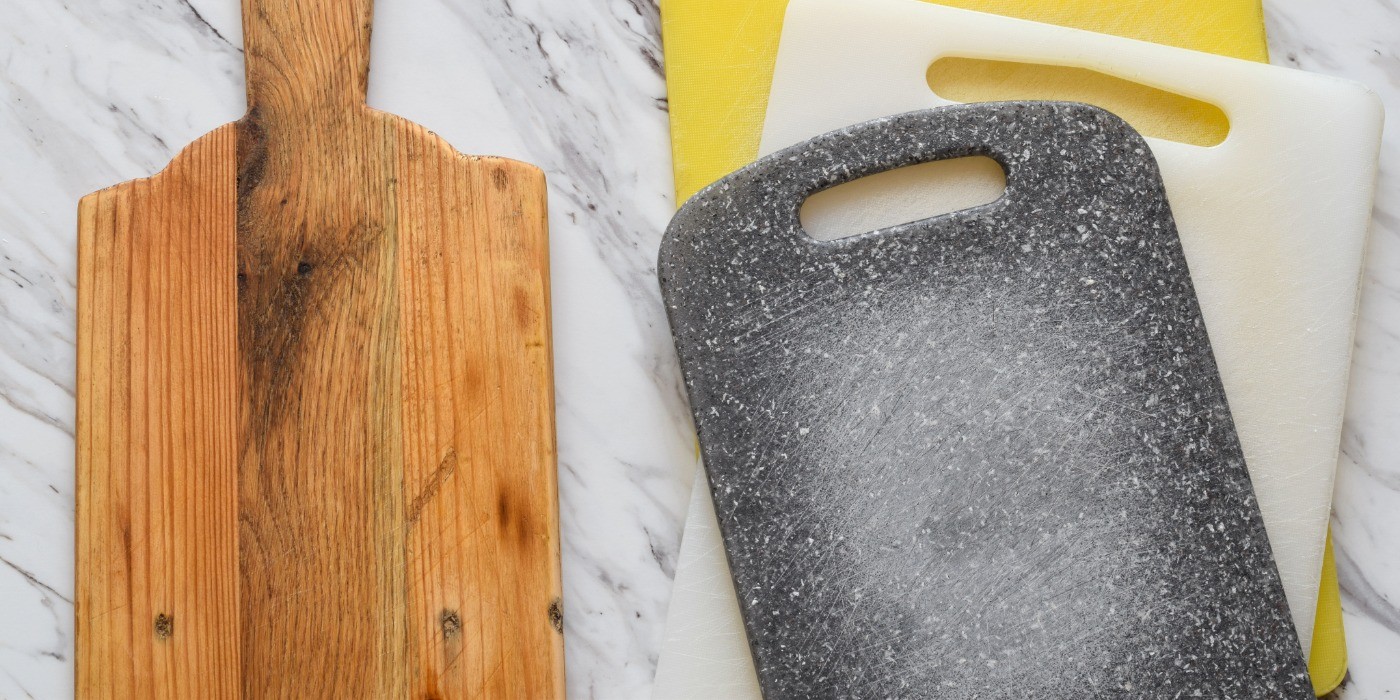
Choosing the best cutting boards is about more than appearance. The type of cutting board you use affects safety, cleanliness and how well your knives perform. Many home cooks use whatever is available, but different materials serve different purposes in the kitchen. Understanding the differences can help you choose the best cutting board for your cooking style.
Are wooden cutting boards safe?
Wooden cutting boards are often seen as less sanitary, but that is not necessarily true. While wood is more porous than plastic, certain types contain natural resins that help resist bacteria.
“Wooden cutting boards are perfectly fine to use. You just have to make sure you’re cleaning them properly afterward.”
After cutting raw meat, extra care is needed. A soak in diluted bleach followed by a thorough rinse can help sanitize the surface.
Why plastic cutting boards are common in kitchens
Plastic cutting boards are widely used in both home and professional kitchens. They are lightweight, easy to clean, dishwasher safe and easy to move during prep,
making them a practical choice for high-volume cooking. However, quality matters.
“If I have a lot of cracks in a cutting board, I recommend just throwing them out.”
Cracks can trap bacteria and reduce the effectiveness of cleaning.
Why glass cutting boards are not recommended
Glass cutting boards may look clean and modern, but they are not ideal for food preparation.
“I question how glass interacts with the knife… it could dull the surface of the knife.”
Using glass can quickly wear down your knife, making it less effective and more difficult to use safely. Maintaining sharp knives and proper cutting technique are important parts of safe and efficient kitchen work.
Best cutting board for meat and safe food prep
Food safety is one of the most important factors when choosing a cutting board. For raw meat, plastic boards are often preferred because they can be sanitized easily in the dishwasher. Wood cutting boards can still be used, but they require more careful cleaning and maintenance. Avoid using damaged boards. Cracks and deep grooves can trap bacteria and increase risk.
How to clean and maintain your cutting board
Cleaning methods depend on the material. Plastic cutting boards can typically go in the dishwasher. Wooden cutting boards should be washed by hand, as dishwashers can cause wood to warp or crack over time, reducing its lifespan. Regular cleaning and proper care help extend the life of any cutting board.
So which cutting board should you use?
Choosing the best cutting board depends on how you cook. Plastic boards are practical and easy to clean, wooden boards are durable and perform well with proper care and glass boards are best avoided for cutting. For most home cooks, having both a plastic and a wooden cutting board provides flexibility for different tasks.
Choosing the right cutting board for your kitchen
The best cutting boards support safe, efficient cooking. By understanding how each material works, you can choose the right tool for the task while protecting both your food and your knives. A stable cutting surface also makes ingredient preparation easier when using knife-based prep techniques instead of kitchen gadgets.
This article was developed by Vansh Paul, Marketing Management student. Brought to you in collaboration with Village Creative, an experiential learning opportunity at Fanshawe College.
Related Blog Posts
Image

Which Pre-Health Sciences Pathway Program is best for you?
October 1, 2026
Choosing the right post-secondary program can feel overwhelming, especially if you’re interested in healthcare but aren’t sure which career path within health sciences is right for you.
A 1-year Pre-Health Sciences Pathway program can help you explore
Image

How to Redesign Your Backyard | Step-by-Step Landscape Design Guide
May 13, 2026
Learn how to redesign your backyard with this step-by-step guide. Discover landscape design tips, planning strategies, and expert advice for beginners.
View Blog Post
Image

How to become a massage therapist in Ontario
May 12, 2026
Learn how to become a massage therapist in Ontario, including education, training, career expectations and how massage therapy is evolving.
View Blog Post