
Reading Time
3 minutes
Published
Tuesday, May 12, 2026
Last Updated
An interview with Patrick Hersey, program coordinator, Culinary Skills and Culinary Management
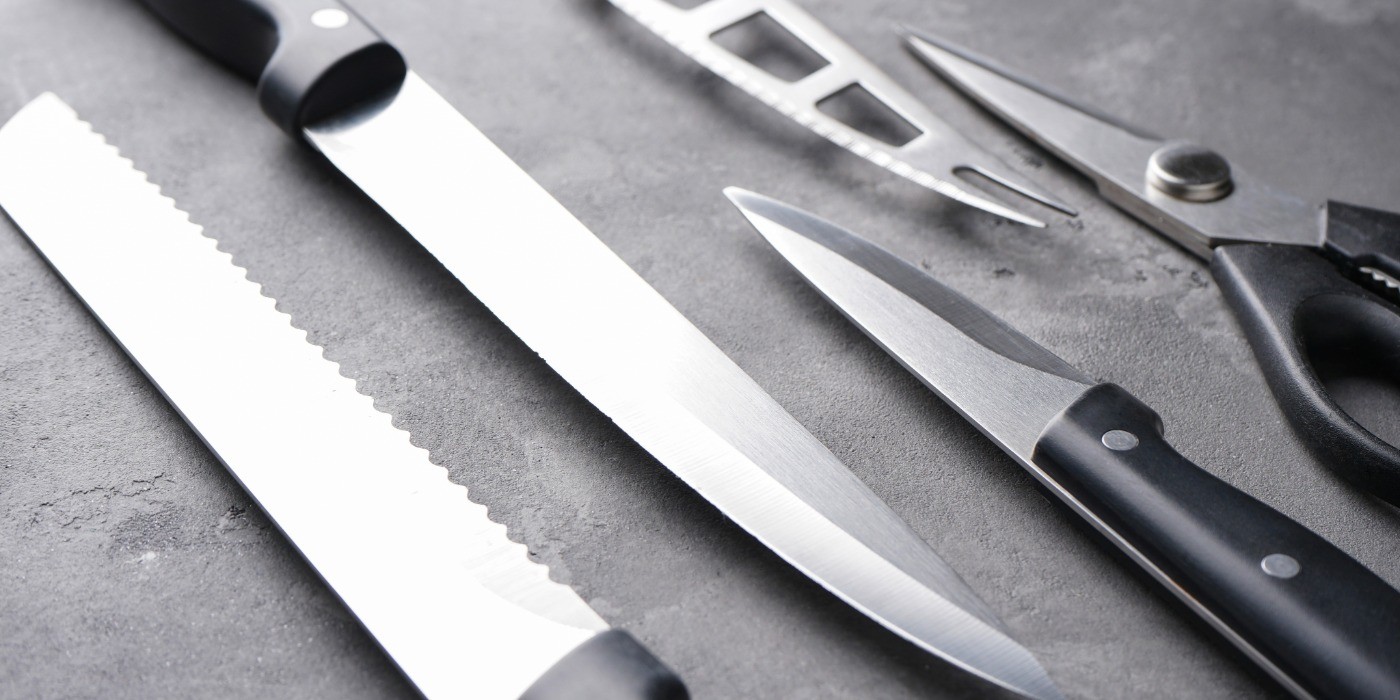
Strong knife skills are one of the most important foundations in cooking. Whether you are preparing meals at home or training in a professional kitchen, knowing how to handle a knife properly can improve speed, consistency and safety. Developing knife skills also helps you get more value from your ingredients and create better results in every dish.
Why knife skills matter in cooking
Knife skills affect more than just how food looks. They influence cooking time, texture, flavour distribution and safety in the kitchen. Even cuts cook more evenly, while inconsistent pieces can lead to uneven results. Good knife skills also reduce the risk of accidents by giving you better control.
Essential knife skills for beginners
Before learning specific cuts, it is important to understand the basics. Key knife skills include:
- Holding the knife correctly
- Using a stable cutting surface
- Guiding the knife with your non-dominant hand
- Keeping fingers safely tucked away
These fundamentals create a strong foundation for more advanced techniques.
Common knife cuts every cook should know
Learning standard knife cuts helps improve consistency and presentation.
Some of the most common cuts include:
Dice: small, even cubes used for vegetables like onions or carrots
Julienne: thin, matchstick-sized strips
Chiffonade: Fine ribbons, often used for herbs or leafy greens
Slice: Even cuts across ingredients such as meats or vegetables
Understanding these knife cuts allows you to follow recipes more accurately and cook more efficiently.
How to improve your cutting technique
Improving knife skills takes practice. Helpful tips include:
- Keep your knife sharp
- Use smooth, controlled motions
- Let the knife do the work instead of forcing it
- Practice on simple ingredients like onions or potatoes
- Consistent practice builds confidence and control.
Knife safety tips for the kitchen
Safety is a key part of knife skills. Important habits include:
- Always cutting on a stable surface\
- Keeping your knife sharp (dull knives are more dangerous)
- Paying attention while cutting
- Storing knives properly
Good safety habits help prevent injuries and make cooking more enjoyable.
Image
Choosing the right knife for the job
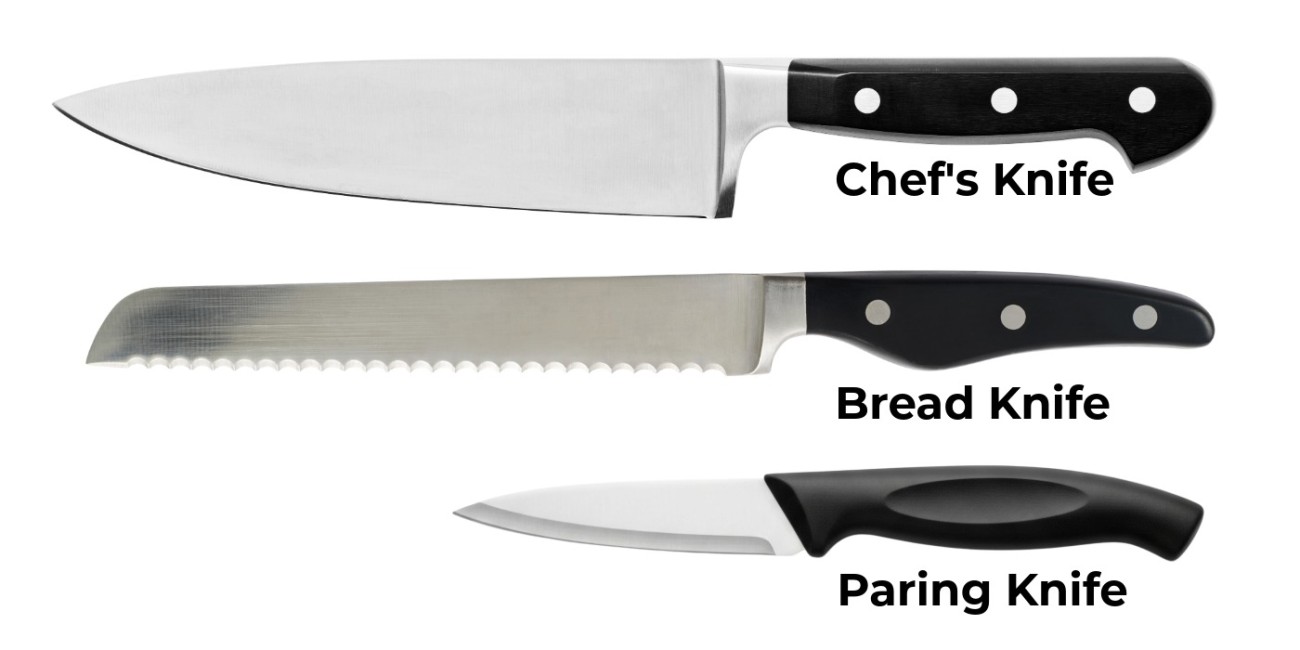
Different tasks require different knives. A chef’s knife is the most versatile and commonly used tool in the kitchen. Other knives, such as paring knives or serrated knives, are designed for specific tasks. Learning which knife to use improves both efficiency and results.
Building confidence in the kitchen
Knife skills are not about speed at first. They are about control, consistency and safety. As your skills improve, your speed will naturally increase. Over time, strong knife skills make cooking feel more efficient and less stressful.
Knife skills are one of the most valuable abilities a cook can develop. From preparation to presentation, they affect every part of the cooking process. With practice and attention to technique, anyone can build confidence and improve their results in the kitchen. For many cooks, it starts with learning the basics and improves with every meal.
This article was developed by Vansh Paul, Marketing Management student. Brought to you in collaboration with Village Creative, an experiential learning opportunity at Fanshawe College.
Related Blog Posts
Image

Which Pre-Health Sciences Pathway Program is best for you?
October 1, 2026
Choosing the right post-secondary program can feel overwhelming, especially if you’re interested in healthcare but aren’t sure which career path within health sciences is right for you.
A 1-year Pre-Health Sciences Pathway program can help you explore
Image

How to Redesign Your Backyard | Step-by-Step Landscape Design Guide
May 13, 2026
Learn how to redesign your backyard with this step-by-step guide. Discover landscape design tips, planning strategies, and expert advice for beginners.
View Blog Post
Image

How to become a massage therapist in Ontario
May 12, 2026
Learn how to become a massage therapist in Ontario, including education, training, career expectations and how massage therapy is evolving.
View Blog Post