
Published
Friday, May 8 2026
Last Updated
An interview with Tina Bonnett, Ed.D, MS.ECEd., RECE, CTIC
Leadership in early childhood education is evolving. It is no longer defined by managing a centre or overseeing daily operations. Today, leaders in early childhood education are shaping policy, building relationships and supporting children, families and communities in more complex ways.
What leadership in early childhood education looks like today
Early childhood leadership is becoming more closely tied to education, advocacy and systems thinking. “We’re seeing a major shift, especially with the introduction of degree programs. We have long argued that those working with young children need degree-level preparation.” This shift reflects the growing recognition that early childhood education requires deeper knowledge and training. At the same time, the sector is still catching up in how it recognizes and supports these roles. “The sector is not caught up in terms of recognition and remuneration.”
As expectations increase, so does the need for leaders who can navigate complexity and influence change.
Image
Building trust through ethical and relational leadership
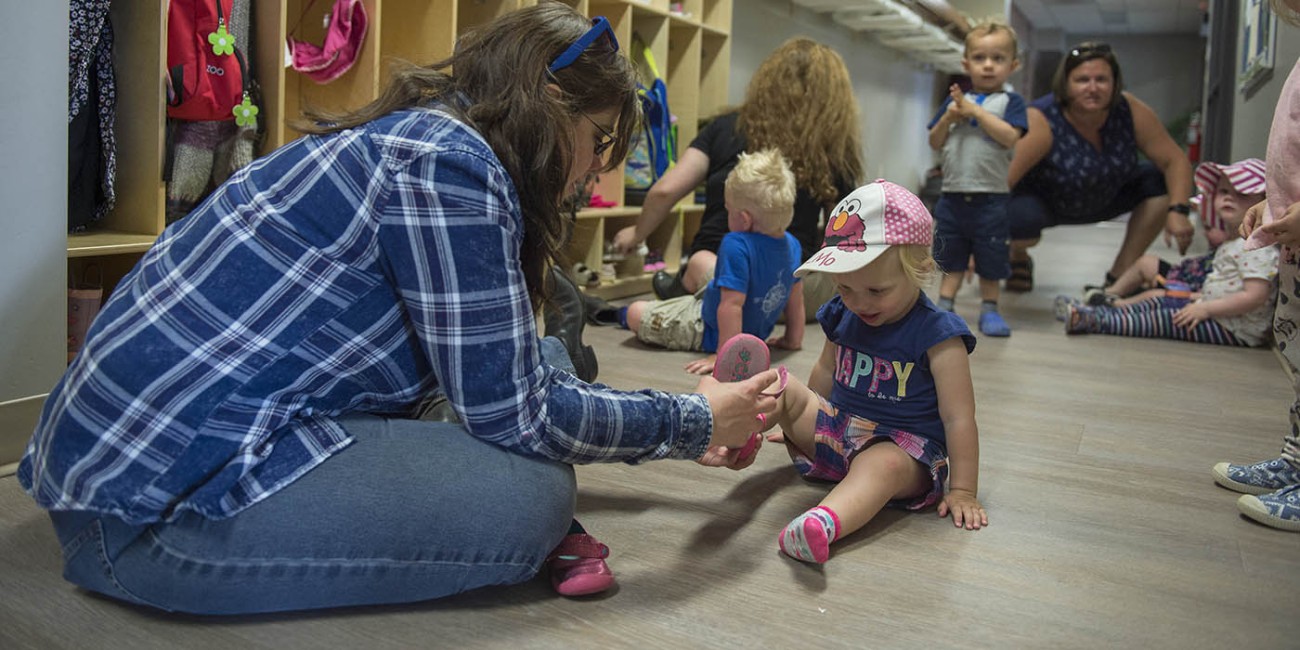
Trust is central to effective leadership in early childhood education. “Trust is the currency of effective early childhood leadership.” Building trust requires more than communication. It involves ethics, relational awareness and a commitment to respect and dignity in every interaction. Strong leadership in early childhood education also means creating environments where children and families experience a genuine sense of belonging.
Students in early childhood education leadership programs are trained to make ethical decisions, including understanding informed consent and recognizing children’s cues.
“We teach ECL students very readily about this concept of assent ... watching the child’s body language, and if they're cueing to us that they don't want to partake in an activity or data collection. We are attuned and responsive to that, and we stop. And then if they cue again, then we step back into data collection.”
Relational leadership also plays a key role.
“We need to understand attachment … How do we make people feel safe and secure?”
This approach recognizes that children, families and educators all contribute to leadership in different ways.
“Children are leaders, and families are leaders, and educators are leaders … we all have leadership capacity … that runs lateral.”
Working in partnership with families and communities
Partnership is foundational in early childhood education. Leaders work alongside families to co-create learning experiences that reflect children’s lived experiences, cultural values and community connections. “When we have a willingness to see multiple perspectives … then we can respect one another.” This approach moves beyond one-way communication. The language educators use in these conversations also shapes how families experience trust, participation and inclusion within early learning environments.
Early childhood leaders create shared spaces where families and educators learn from one another. “If we want to partner with families, we have to be in tune with what their cultural beliefs are … and then we have to find ways to sensitively integrate that into our curriculum.”
Leadership also extends beyond the classroom. "Part of leadership is working in interprofessional teams, and that means that we have an awareness of community resources that we can link parents to. It’s all about what are the family’s strengths and needs?” These connections strengthen both the child’s development and the broader support system around them.
Influencing policy and systems in early childhood education
Leadership in early childhood education is increasingly connected to policy. Rather than simply following regulations, leaders are learning to analyze and challenge them. “Historically, we've taught early childhood leaders about policies that govern our practice, but what we haven't taught them about is how to deconstruct and analyze it, and we're working towards that.”
This includes examining:
- How policies are written
- Who is represented or excluded
- How power is structured within systems
Leaders are also becoming part of the policy conversation. “We are witnessing a significant policy shift in that our graduates, as early childhood leaders and centre directors, are being invited into policy discussions. Their voices are represented, and they are able to elevate the voices of children and families.” This shift is helping create more responsive and inclusive systems within early childhood education. This includes rethinking how disability and participation are understood within early learning environments, particularly through approaches that focus on removing barriers rather than “fixing” children.
Supporting children’s agency and community connection
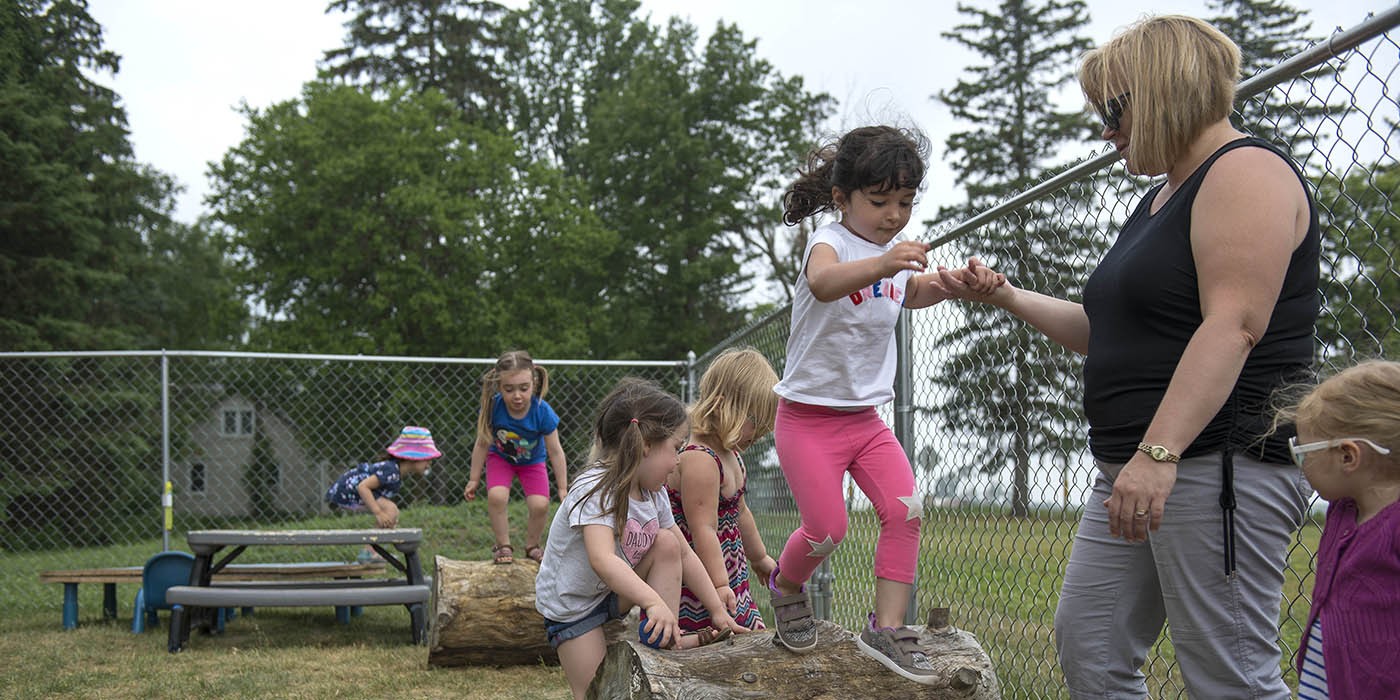
Early childhood education leadership also focuses on how children experience their environment. Children are not passive participants. They are active members of their communities. “It’s Me Do ... in tandem with an adult who acts as a secure base for them. Somebody to access to take risks.”
This balance allows children to explore, take risks and return to a safe and supportive environment. The design of early learning spaces also plays an important role in supporting participation, flexibility and a child’s sense of belonging. Leadership also includes helping children understand their role in the world around them.
“We really try to model things such as children's agency and their rights, and their recognition that they can actively participate in the environment ... be agents of change, and contribute to society and the next generation”
Image
What this means for the future of early childhood education
The future of early childhood education leadership is shaped by relationships, policy and community. Leaders are expected to:
- Build trust with families
- Work collaboratively across systems
- Advocate for children and communities
- Understand and influence policy
For those entering early childhood education, this means developing both practical skills and a deeper understanding of how systems and relationships shape early learning environments.
This article was developed with contributions from by Drake Asselin, Digital Marketing student. Brought to you in collaboration with Village Creative, an experiential learning opportunity at Fanshawe College.
For any media inquiries, please reach out to mediainquiries@fanshawec.ca
Recent News
-
October 23, 2026
Poppies available starting October 24
Read StoryOn October 24, Canadians are encouraged to start wearing poppies in honour of our veterans and... -
October 22, 2026
Temporary service interruptions related to the global PHP outage
Read StoryAs many organizations around the world continue to respond to what is becoming known as the "PHP... -
October 22, 2026
Dell Top Tech sale, October 2026
Read StorySavings for Fanshawe students and employees Looking for a new laptop, monitor or desktop? Dell...
Recent News
-
May 8, 2025
Construction Delays
Read StoryDue to ongoing construction in the area, there may be delays in reaching our clinic. We kindly ask... -
April 15, 2025
New Spring Schedule
Read StoryWe’re excited to announce that the spring schedule is now available on our website as we transition... -
December 16, 2024
2025 Pricing Adjustment
Read StoryEffective January 1st, our fees will increase to $30 per treatment. We understand that this is a...