
Published
Monday, May 11 2026
Last Updated
An interview with Meaghan MacDonell, RECE, MPEd, Professor, Early Childhood Education program.
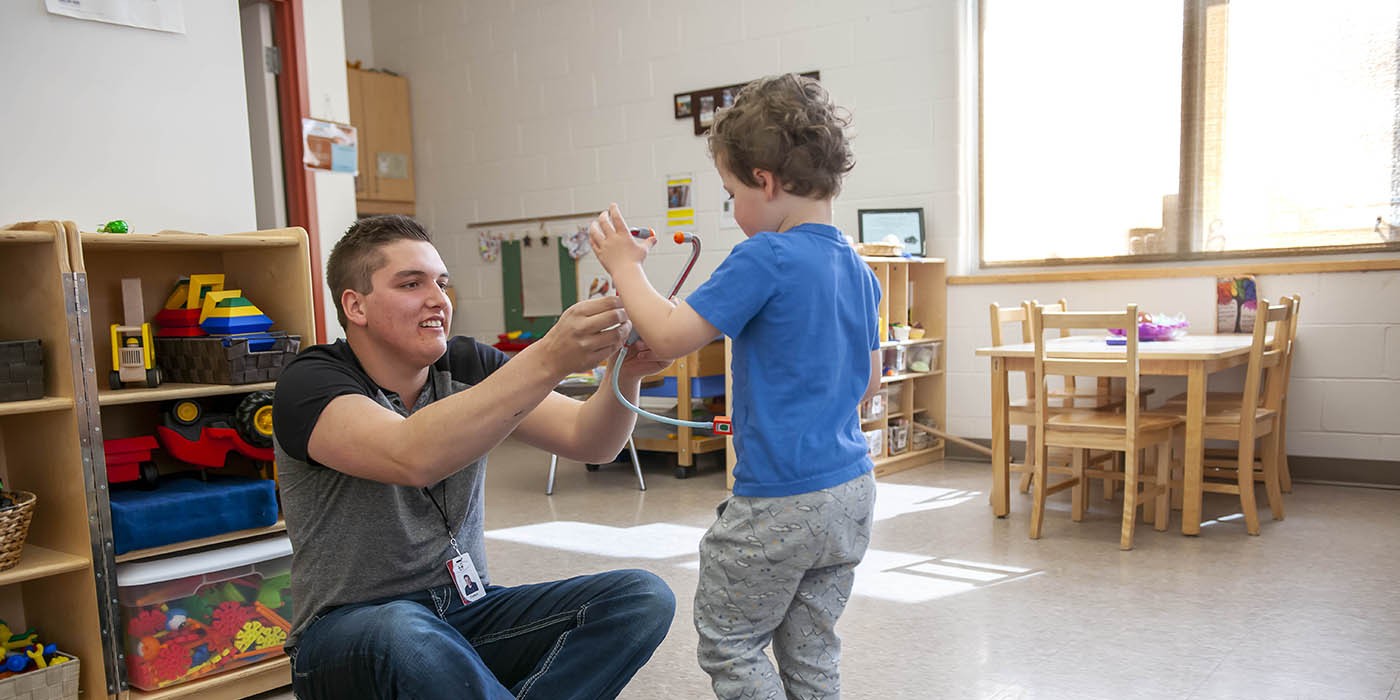
In early childhood education, how we understand disability shapes how we support children. For a long time, disability was viewed through a medical lens. The focus was on identifying what a child could not do and finding ways to fix or manage it.That perspective is changing.Today, many educators are shifting toward what is known as the social model of disability. And that shift is changing how early childhood education is practiced.
What is the social model of disability?
The social model of disability separates two ideas: impairment and disability. Impairment refers to a physical, cognitive or developmental difference. Disability, in this model, is not the impairment itself, but the result of barriers in the environment. “The impairment is not the disability. The disability is our social failure to accommodate and ensure access.” This reframes the issue. Instead of asking what is “wrong” with the child, educators begin asking what is not working in the environment.
Moving beyond the medical model
The medical model focuses on diagnosis, treatment and correction. It tends to position the child as the problem. In early childhood education, this can lead to separate programming, delayed inclusion and, at times, lower expectations for participation. The social model challenges that approach by shifting responsibility away from the child and toward the system, including learning environments, teaching strategies and program design.
Image
What this looks like in early childhood education
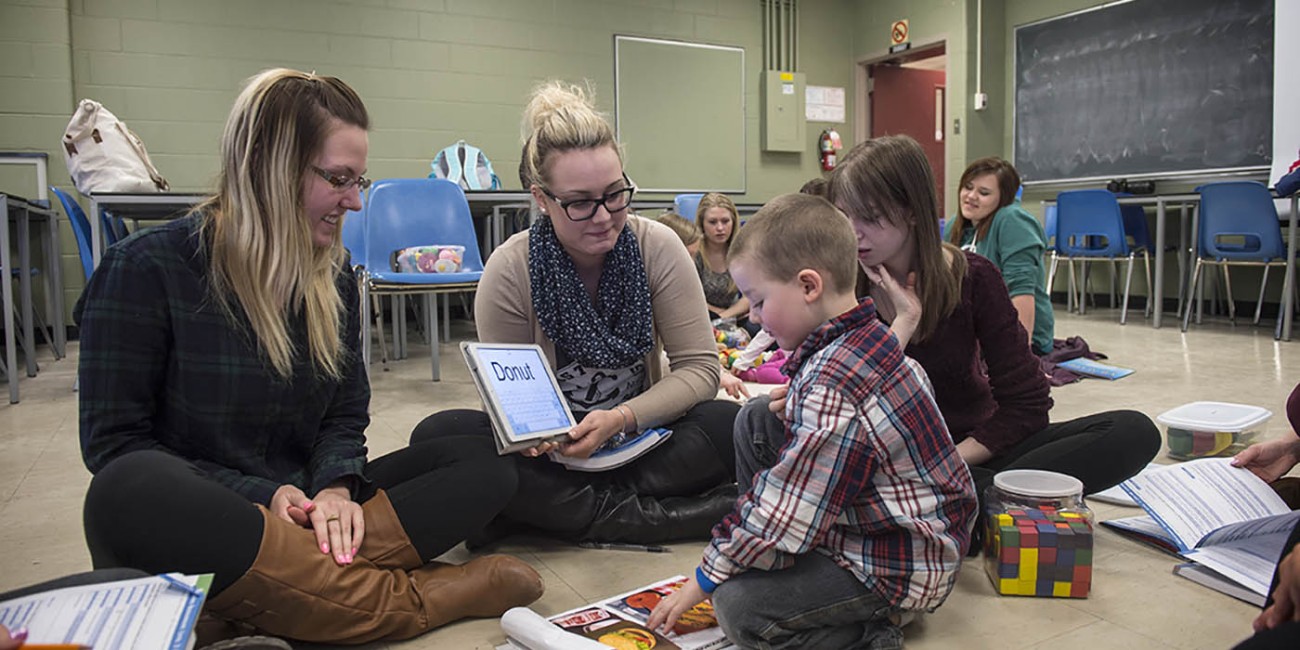
In practice, the social model changes how educators approach everyday situations. Instead of thinking that a child cannot participate, educators begin to ask what might be preventing participation. Sometimes the barrier is physical, such as how a space is arranged. Other times it is less visible, like rigid routines, limited communication options or expectations that do not allow for flexibility. When those barriers are removed or adjusted, participation often increases naturally.
Designing for access instead of adapting later
One of the biggest implications of the social model is how environments are planned. Rather than adapting after a challenge appears, educators design environments that expect diversity from the beginning. This might look like offering multiple ways to engage in an activity, using open-ended materials or creating routines that can flex based on children’s needs. “If we design environments that assume all children will participate in different ways, we reduce the need for individual accommodations later.” This approach supports more inclusive early childhood education by building access into the experience itself.
How this connects to language and inclusion
The social model does not exist on its own. It connects directly to how educators talk about children and how environments are structured. When thinking shifts, language often follows, and expectations begin to change as well. Together, these elements create a more consistent and inclusive approach to early learning.
Why this shift matters for educators
Understanding the social model helps educators move from reaction to intention. Instead of waiting to respond to challenges, they begin to anticipate diversity, design for access and reflect more deeply on their own practice. This does not remove complexity, but it does provide a clearer framework for decision-making.
Image
A more inclusive approach to early learning
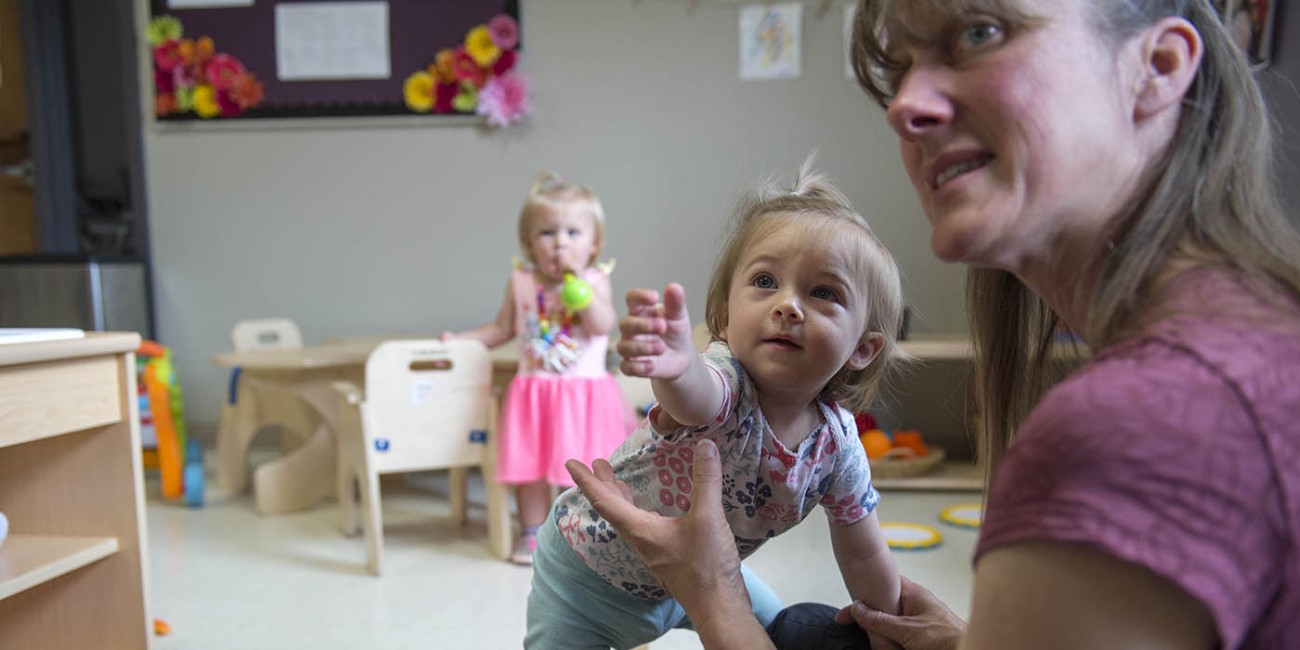
The social model of disability is influencing how early childhood education evolves in Canada. It supports a shift toward more flexible learning environments, more inclusive approaches to participation and a broader understanding of development. For educators, this means thinking differently about their role. Not as someone who adapts children to systems, but as someone who helps shape systems that support every child from the start.
This article was developed with contributions from Maria Kazi, Honours Bachelor of Commerce – Digital Marketing student. Brought to you in collaboration with Village Creative, an experiential learning opportunity at Fanshawe College.
For any media inquiries, please reach out to mediainquiries@fanshawec.ca
Recent News
-
October 23, 2026
Poppies available starting October 24
Read StoryOn October 24, Canadians are encouraged to start wearing poppies in honour of our veterans and... -
October 22, 2026
Temporary service interruptions related to the global PHP outage
Read StoryAs many organizations around the world continue to respond to what is becoming known as the "PHP... -
October 22, 2026
Dell Top Tech sale, October 2026
Read StorySavings for Fanshawe students and employees Looking for a new laptop, monitor or desktop? Dell...
Recent News
-
May 8, 2025
Construction Delays
Read StoryDue to ongoing construction in the area, there may be delays in reaching our clinic. We kindly ask... -
April 15, 2025
New Spring Schedule
Read StoryWe’re excited to announce that the spring schedule is now available on our website as we transition... -
December 16, 2024
2025 Pricing Adjustment
Read StoryEffective January 1st, our fees will increase to $30 per treatment. We understand that this is a...