
Published
Thursday, May 14 2026
Last Updated
An interview with Greg Donde, RRT, MSc, FCSRT, Respiratory Therapy
Obstructive Sleep Apnea: Symptoms, Risks, and How It’s Diagnosed and Treated
From early warning signs to CPAP therapy, a clinical look at how sleep apnea affects the body—and why diagnosis matters.
Introduction: Why Obstructive Sleep Apnea Matters
Obstructive Sleep Apnea (OSA) is one of the most common yet underdiagnosed sleep disorders. It occurs when the upper airway repeatedly collapses during sleep, interrupting breathing and reducing oxygen levels.
While many people associate sleep apnea with snoring, its effects go far beyond disrupted sleep—impacting cardiovascular health, cognitive function, and overall quality of life.
“People often don’t realize how harmful OSA can be… they think, ‘Oh well, my family can just live with my snoring.’”
Signs and Symptoms of Sleep Apnea
Recognizing the symptoms of sleep apnea is the first step toward diagnosis and treatment. Many individuals are unaware they have OSA, with symptoms often first noticed by others.
Nighttime Symptoms
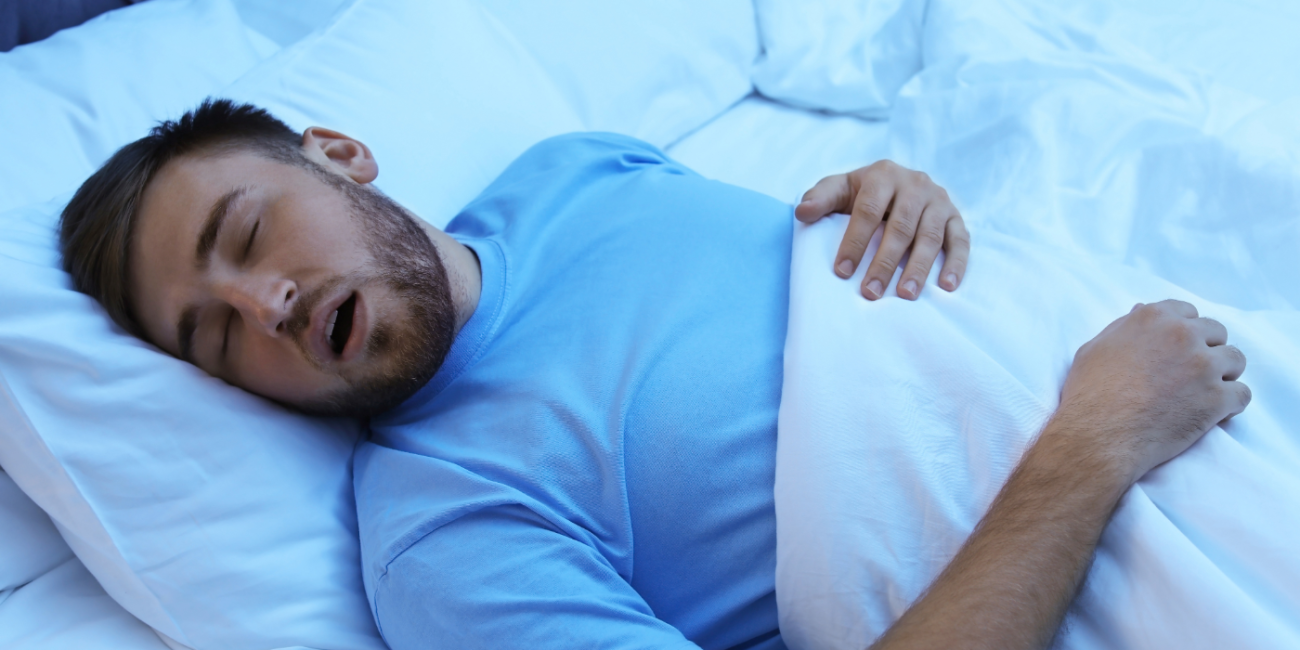
- Loud, persistent snoring
- Gasping or choking during sleep
- Restless sleep or frequent awakenings
- Night sweats and movementd
“They may continue to sleep through it, even as they begin to wake up, without fully realizing what's happening.”
Image
Daytime Symptoms
- Morning headaches
- Excessive daytime fatigue
- Difficulty concentrating
- Irritability or low mood
- Increased risk of accidents
“If you’re not getting a good night’s sleep night after night you could become a pretty miserable person.”
What Happens in the Body During Sleep Apnea
During an apnea event, breathing temporarily stops, causing oxygen levels to drop. This triggers a stress response in the body.
- Release of stress hormones (cortisol, adrenaline)
- Increased heart rate
- Constriction of blood vessels
“Every time they wake up… their heart says, ‘I have to get oxygen throughout the body,’ and it just starts beating faster.”
Over time, this repeated stress places significant strain on the cardiovascular system.
Risks and Complications of Untreated Sleep Apnea
Untreated OSA can lead to serious long-term health complications affecting multiple systems in the body.
Major Health Risks
- Hypertension (high blood pressure)
- Heart disease and heart failure
- Stroke
- Type 2 diabetes
- Mental health issues (depression, anxiety)
- Increased risk of motor vehicle accidents
“A lot of people don’t mind being tired during the day—but the risk is what’s going on in their body when they’re asleep.”
How Sleep Apnea Is Diagnosed
Diagnosis begins with clinical evaluation and is confirmed through sleep testing.
Image
Step 1: Medical Consultation
Patients typically start by discussing symptoms with a physician, who may refer them for further testing.
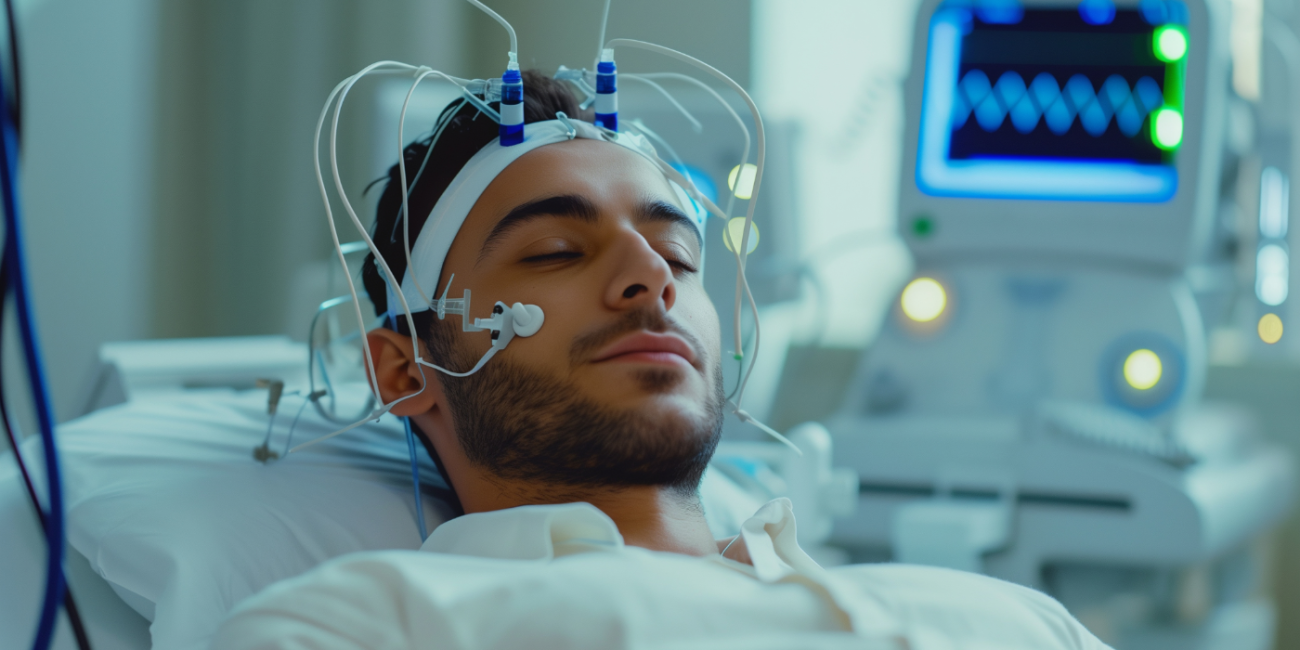
Step 2: Sleep Study (Polysomnography)
A sleep study, or polysomnography (PSG), is the gold standard for diagnosing OSA. It measures:
- Brain activity
- Oxygen levels
- Airflow and breathing patterns
- Limb movement
Understanding the Apnea-Hypopnea Index (AHI)
The severity of OSA is measured using the AHI scale:
- Normal: <5 events/hour
- Mild: 5–14
- Moderate: 15–29
- Severe: 30+
“I’ve seen patients who have 100 breathing interruptions in a night.”
At-Home Testing Options
For some patients, a home sleep apnea test (HSAT) may be used to assess airflow and oxygen levels in a more accessible setting.
Treatment Options for Sleep Apnea
CPAP Therapy (Gold Standard)
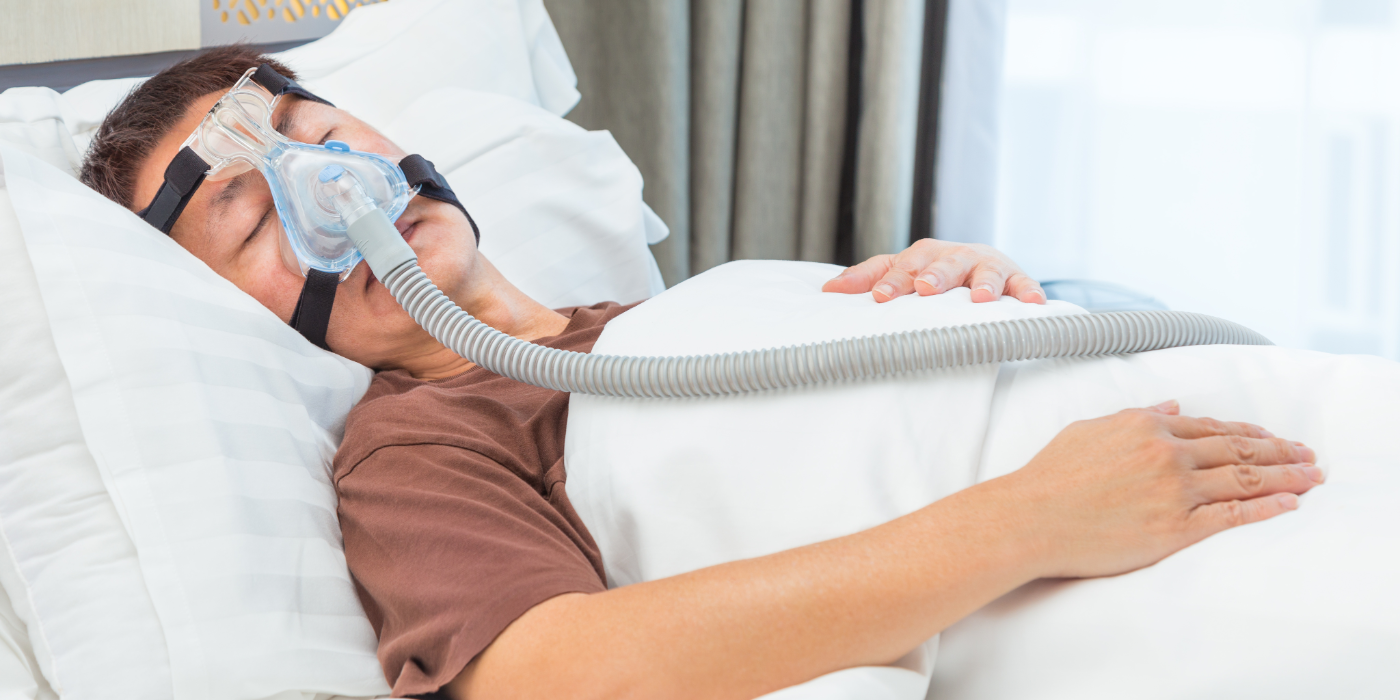
Continuous Positive Airway Pressure (CPAP) is the most common and effective treatment for OSA.
- Delivers constant air pressure
- Keeps the airway open during sleep
- Improves oxygenation and sleep quality
Proper pressure settings are determined through a process called titration.
Other Treatment Approaches
- Lifestyle changes (weight management, sleep position)
- Oral appliances (for mild cases)
- Surgical interventions (in select cases)
Early and consistent treatment can significantly reduce health risks and improve daily functioning.
The Role of Respiratory Therapists in Sleep Care
Respiratory therapists play a vital role in diagnosing and managing sleep apnea. From conducting sleep studies to setting up CPAP therapy, they ensure patients receive accurate diagnosis and effective treatment.
For those interested in this growing area of healthcare, the Respiratory Therapy Program at Fanshawe College provides training in sleep diagnostics, CPAP therapy, and patient care across clinical settings.
Conclusion: Early Detection Changes Outcomes
Obstructive sleep apnea is more than a sleep disorder, it is a chronic condition with systemic health implications. Recognizing the symptoms, seeking diagnosis, and starting treatment early can prevent serious complications and improve long-term health outcomes.
With increasing awareness and access to diagnostic tools like sleep studies and home testing, more individuals can take control of their sleep health, and overall well-being.
This article was developed by Vansh Paul, Marketing Management studentt. Brought to you in collaboration with Village Creative, an experiential learning opportunity at Fanshawe College.
For any media inquiries, please reach out to mediainquiries@fanshawec.ca
Recent News
-
September 16, 2026
Orange shirts available at The Falcon Shop
Read StoryIn support of the National Day for Truth and Reconciliation on September 30, orange shirts are now... -
September 15, 2026
Rooted in community
Read StoryCreating a safer space for families Welcome to Spotlight, a new digital content series showcasing... -
September 14, 2026
10th day of 2026 fall semester: September 21
Read StoryImportant deadline for full-time students Monday, September 21 is the tenth day of the 2026 fall...
Recent News
-
May 8, 2025
Construction Delays
Read StoryDue to ongoing construction in the area, there may be delays in reaching our clinic. We kindly ask... -
April 15, 2025
New Spring Schedule
Read StoryWe’re excited to announce that the spring schedule is now available on our website as we transition... -
December 16, 2024
2025 Pricing Adjustment
Read StoryEffective January 1st, our fees will increase to $30 per treatment. We understand that this is a...