
Reading Time
4 minutes
Published
Wednesday, May 13, 2026
Last Updated
An interview with Rewand Latvanen, RRT, BSc, MEd, faculty Respiratory Therapy
If you are exploring health care careers, you may be looking into respiratory therapy programs and where they can lead. Respiratory therapists play an important role in patient care, supporting people with breathing and cardiopulmonary conditions across a range of settings. Understanding how respiratory therapy programs work, what you will learn and where the career can take you can help you decide if this path is right for you.
What do respiratory therapy programs in Canada involve?
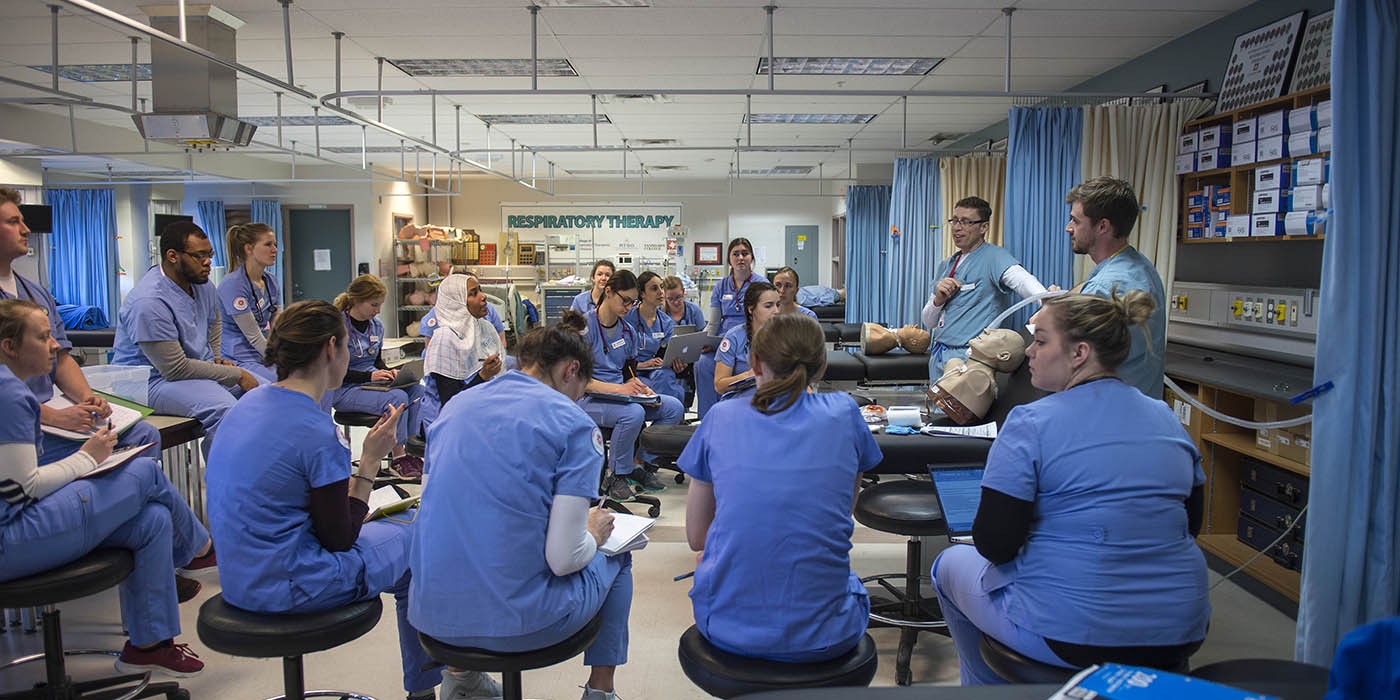
Respiratory therapy programs provide specialized training focused on lung health, breathing and patient care. In Canada, students must complete a recognized respiratory therapy program, typically offered through colleges. These programs combine classroom learning with hands-on clinical experience to prepare students for real health care environments. After completing a respiratory therapy program, graduates must pass the Canadian Board for Respiratory Care exam to become a Registered Respiratory Therapist. Continuing education is also part of the profession.
What do you learn in respiratory therapy programs?
Respiratory therapy programs are designed to prepare students for clinical practice.
Training may include:
- Respiratory assessment
- Oxygen therapy
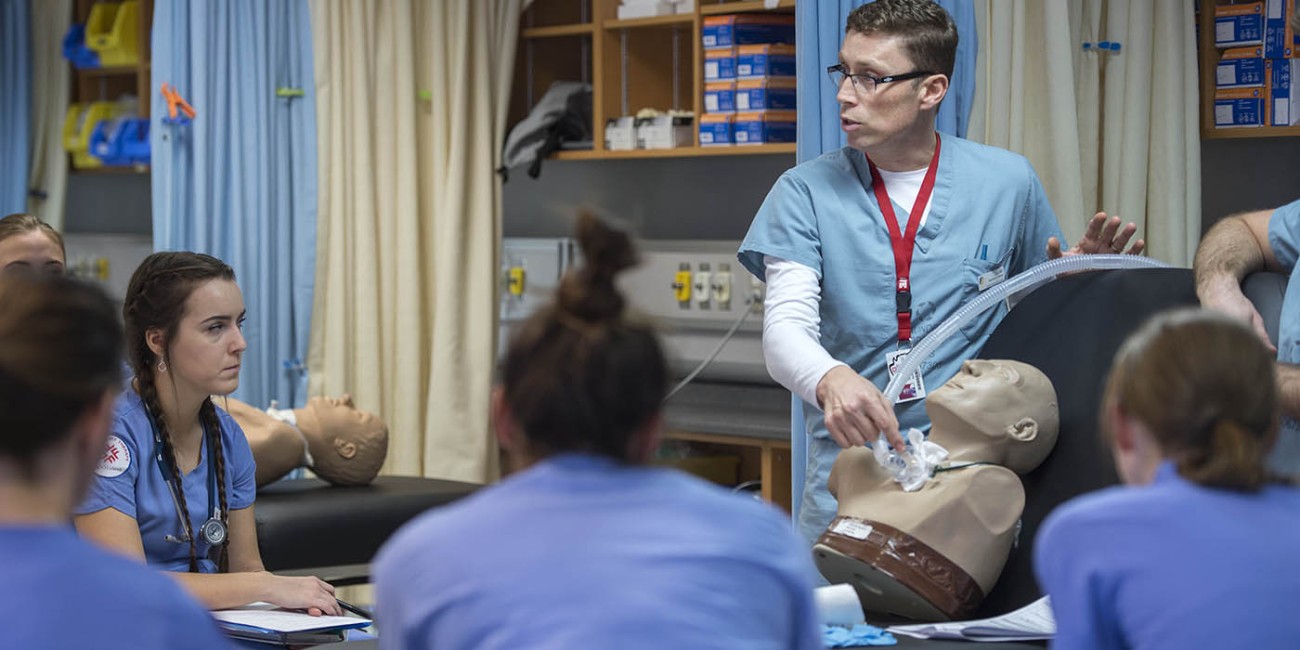
- Ventilator management
- Diagnostic testing
- Emergency response
- Patient education
“Respiratory therapists are the lungs’ best advocates — we use specialized knowledge and technology to ensure patients can breathe as easily and safely as possible.”
These programs focus on both technical knowledge and patient care.
What does a respiratory therapist do in Canada?
Respiratory therapists support patients with a range of respiratory conditions. This may include asthma, chronic obstructive pulmonary disease, pneumonia and acute respiratory distress syndrome.
Their responsibilities may include:
- Administering oxygen and medications
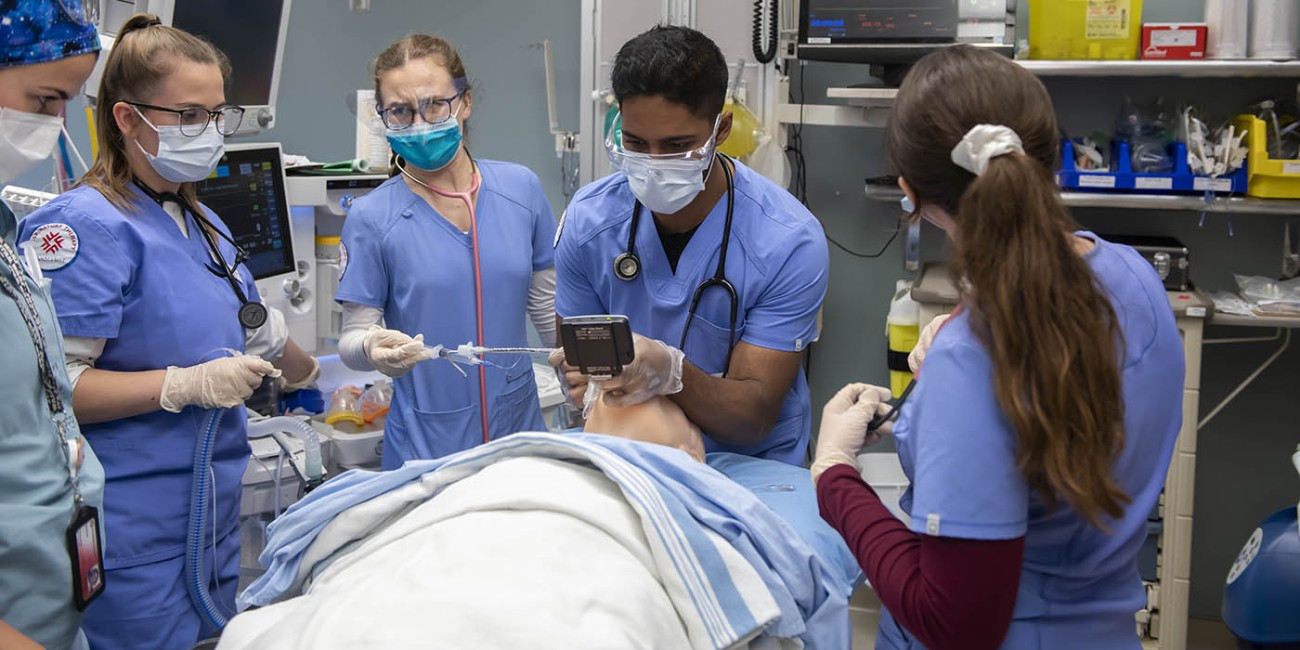
- Managing ventilators and life support equipment
- Performing pulmonary function tests and blood gas analysis
- Educating patients and families
- Responding to respiratory emergencies
- Assisting in operating rooms
- Supporting patient transport
Image
Where do respiratory therapists work?
Graduates of respiratory therapy programs in Canada may work in a variety of health care environments
Hospitals
The most common setting, including emergency departments, intensive care units, neonatal units and general wards.
Clinics and outpatient care
Focused on long-term management and testing.
Home care and community health
Supporting patients managing chronic conditions outside the hospital.
Long-term care facilities
Providing care for patients with ongoing respiratory needs.
Research and education
Some respiratory therapists move into teaching or clinical research.
Are respiratory therapist programs in Ontario competitive?
Many students begin by researching respiratory therapist programs in Ontario. These programs can be competitive depending on the institution and intake size. Strong academic preparation and interest in health care can help applicants prepare for admission. Choosing the right program is an important step.
What is the career outlook for respiratory therapy in Canada?
Respiratory therapy careers in Canada are growing. This is influenced by an aging population, increased respiratory conditions, advances in respiratory care technology and a greater focus on chronic disease management. These factors support strong demand across the country.
Image
Is respiratory therapy the right career for you?
Respiratory therapy combines science, technology and patient care.
“The profession demands both strong clinical skills and a compassionate approach. It’s a rewarding career for those passionate about helping people breathe better.”
For those interested in hands-on health care careers that involve critical thinking and real-time decision making, respiratory therapy may offer a meaningful path.
From respiratory therapy programs to practice
Respiratory therapy programs provide the foundation for entering the field. From there, graduates move into clinical roles, certification and ongoing professional development. With opportunities across hospitals, community care and specialized environments, respiratory therapy in Canada offers a range of career pathways. For many, it starts with choosing the right program.
This article was developed by Joshua Millard, Bachelor of Commerce - Digital Marketing (Co-op) student. Brought to you in collaboration with Village Creative, an experiential learning opportunity at Fanshawe College.
Related Blog Posts
Image

Which Pre-Health Sciences Pathway Program is best for you?
October 1, 2026
Choosing the right post-secondary program can feel overwhelming, especially if you’re interested in healthcare but aren’t sure which career path within health sciences is right for you.
A 1-year Pre-Health Sciences Pathway program can help you explore
Image

How to Redesign Your Backyard | Step-by-Step Landscape Design Guide
May 13, 2026
Learn how to redesign your backyard with this step-by-step guide. Discover landscape design tips, planning strategies, and expert advice for beginners.
View Blog Post
Image
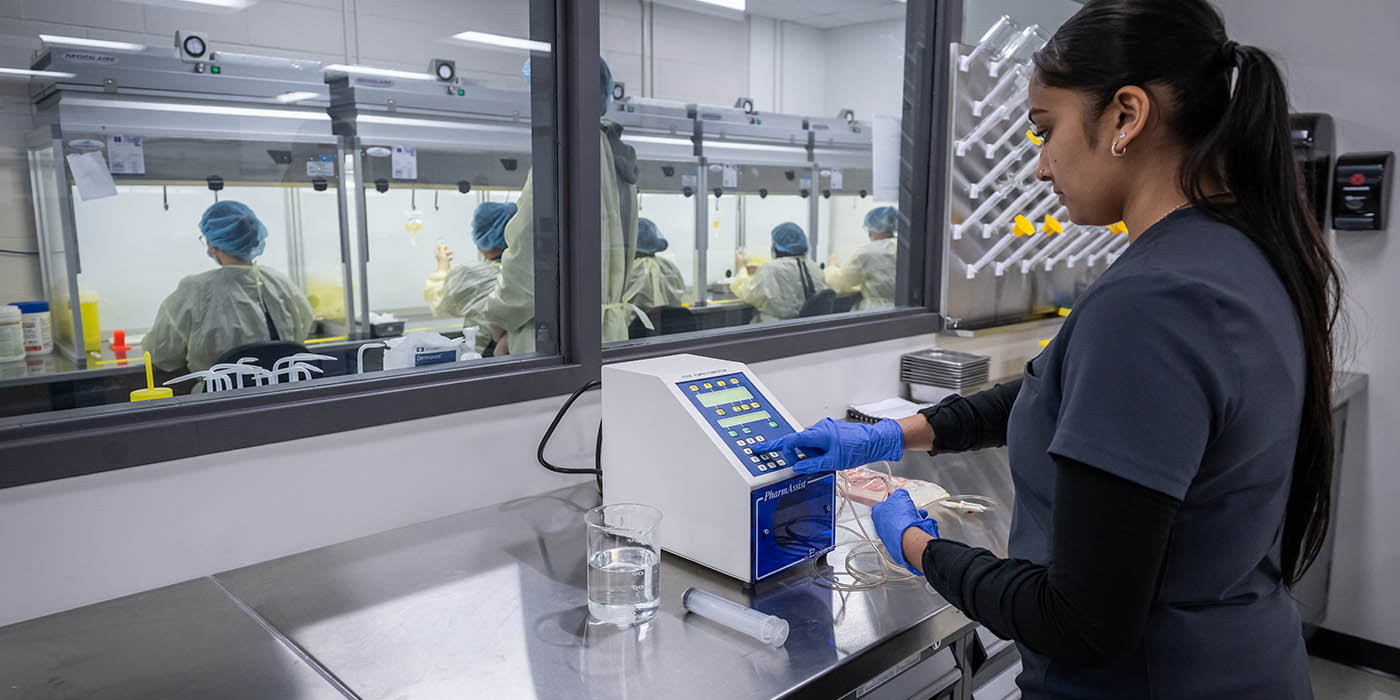
Future of Pharmacy in Canada | Trends, Scope & Career Opportunities
May 13, 2026
Explore the future of pharmacy in Canada, including expanded roles, prescribing powers, and career opportunities for pharmacy technicians and assistants.
View Blog Post