

Published
Thursday, May 14 2026
Last Updated
An interview with Rob Foster, MBA, program coordinator Golf and Club Management
The Future of Golf Course Management: Technology, Sustainability, and Growth Beyond the Fairway
From AI-powered turf care to inclusive club culture and year-round revenue strategies, how modern golf management is evolving.
Introduction: A New Era for Golf Course Management
Golf course management is undergoing a significant transformation. While the game itself remains rooted in tradition, the operations behind it are rapidly evolving—driven by technology, environmental responsibility, and changing player demographics.
“We’re already seeing AI-powered mowing machines, GPS-driven irrigation systems… it’s all about elevating service and optimizing efficiency.”
Today’s golf managers are no longer just stewards of the course—they are strategists balancing data, sustainability, hospitality, and business growth.
Technology in Golf Course Management: From Smart Turf to AI
AI and Automation in Turf Management
Maintaining turf is one of the most resource-intensive aspects of golf course management. Increasingly, courses are turning to AI-driven solutions.
- Autonomous mowing equipment with GPS mapping
- Real-time performance tracking
- Precision turf maintenance to reduce waste
These innovations improve consistency while lowering labour costs and environmental impact.
Smart Irrigation Systems
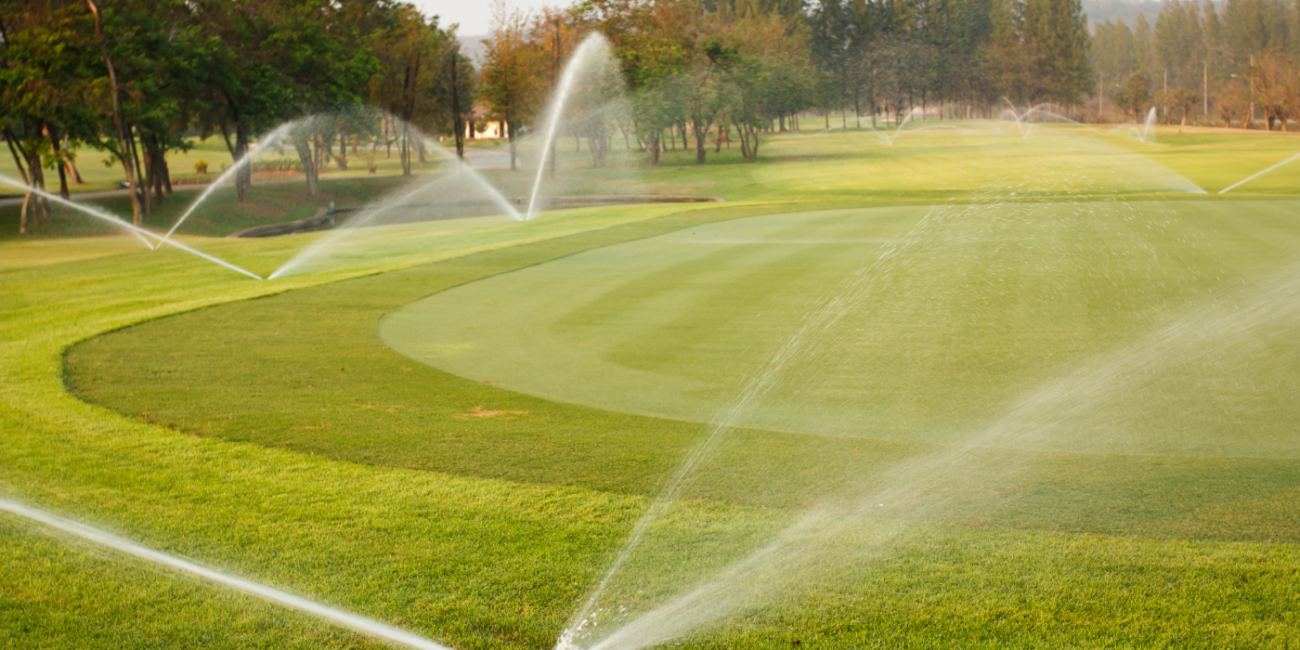
Water conservation is now both an environmental and regulatory priority. Modern irrigation systems use, soil sensors, GPS mapping and mobile controls. This ensures water is applied only where needed, supporting both sustainability goals and cost efficiency.
Image
Enhancing Member Experience Through Technology
Technology is also reshaping customer experience:
- Mobile apps and online booking systems
- CRM platforms for personalization
- Beacon technology to anticipate member needs
“It’s about going from service to hospitality… anticipating their arrival is how top clubs differentiate themselves.”
Sustainability in Golf: Greener Fairways and Responsible Operations
Environmental stewardship has become central to modern golf course management.
Integrated Pest Management (IPM)
Courses are reducing reliance on chemicals by adopting IPM strategies, which prioritize:
- Monitoring pest activity
- Minimizing pesticide use
- Regulatory compliance
“We have to do a better job to make sure we’re as sustainable as possible.”
Water Conservation and Land Use
Innovations include:
- Drought-resistant turf
- Naturalized course areas
- Water recycling systems
“We’re… remapping courses to create more naturalized areas. This helps reduce water use while maintaining playability.”
Carbon Reduction and Electric Equipment
The shift to electric maintenance equipment is helping reduce emissions while lowering long-term operating costs.
“It’s all part of reducing our carbon footprint.”
Image
Diversity and Inclusion: Expanding the Game
Golf is becoming more inclusive as clubs adapt to Canada’s changing demographics.
Community Outreach and New Audiences
Programs targeting newcomers and underrepresented groups are helping broaden participation.
“A vast majority of our international students come from Korea because golf has gained immense popularity there.”
Creating Welcoming Club Environments
Clubs are rethinking the member experience through:
- Bilingual signage
- Inclusive programming
- Flexible memberships
“It’s a place to relax… we’re seeing clubs redefine themselves as lifestyle destinations.”
Year-Round Revenue: Rethinking the Off-Season
Canada’s short golf season presents a challenge, but also an opportunity.
“The majority of our revenue is generated during golf season… in the off-season, we want to break even.”
Off-Season Strategies
Forward-thinking clubs are diversifying revenue streams through:
- Golf simulators and indoor leagues
- Event hosting (weddings, corporate functions)
- Multi-sport facilities (pickleball, curling, fitness)
“Golf simulators have completely taken off… they let you stay in the game.”
Retaining Talent and Engagement
Year-round programming helps:
- Retain skilled staff
- Maintain member engagement
- Strengthen club culture
“It’s hard to hold onto top talent if you’re closed five months a year.”
The Skills Behind Modern Golf Management
The modern golf industry requires a blend of technical, environmental, and business expertise.
Professionals must understand:
- Data-driven decision-making
- Sustainability practices
- Customer experience design
- Revenue diversification strategies
As the industry evolves, so does the need for specialized training.
For those interested in entering this field, the Golf and Club Management (Co-op) Program at Fanshawe College provides hands-on experience in golf operations, hospitality, and business strategy, preparing graduates for leadership roles in a changing industry.
Conclusion: Tradition Meets Innovation
Golf course management is no longer defined solely by maintaining greens, it’s about managing complex ecosystems of technology, people, and business operations.
From AI-powered turf systems to inclusive club culture and off-season innovation, the future of golf lies in adaptability.
“It’s evolving quickly, and club managers who understand these tools are going to be the ones leading the way.”
This article was developed by Joshua Millard, Bachelor of Commerce - Digital Marketing (Co-op) student. Brought to you in collaboration with Village Creative, an experiential learning opportunity at Fanshawe College.
For any media inquiries, please reach out to mediainquiries@fanshawec.ca
Recent News
-
October 5, 2026
Pant sale at The Falcon Shop
Read StoryThe Falcon Shop will hold a pant sale from October 5 to 30. All regularly priced pants (including... -
October 5, 2026
Find support for mental health, accessibility, housing and more
Read StoryThe Student Well-Being team is excited to welcome you (or welcome you back) to Fanshawe College! As... -
October 2, 2026
The Royal Canadian Air Force partners with Fanshawe College to deliver training
Read Full ReleaseThe Royal Canadian Air Force (RCAF) has partnered with Fanshawe College to deliver aviation...
Recent News
-
May 8, 2025
Construction Delays
Read StoryDue to ongoing construction in the area, there may be delays in reaching our clinic. We kindly ask... -
April 15, 2025
New Spring Schedule
Read StoryWe’re excited to announce that the spring schedule is now available on our website as we transition... -
December 16, 2024
2025 Pricing Adjustment
Read StoryEffective January 1st, our fees will increase to $30 per treatment. We understand that this is a...