

Published
Thursday, May 14 2026
Last Updated
An interview with Greg Donde, RRT, MSc, FCSRT, Respiratory Therapy
Neonatal Respiratory Therapy: Why Premature Babies Struggle to Breathe - and What’s Changing Next
From surfactant therapy to AI-driven care, an inside look at respiratory distress in newborns and the evolving role of respiratory therapists.
Introduction: Understanding Breathing Challenges in Premature Babies
Premature birth remains one of the leading causes of neonatal complications, with respiratory issues among the most immediate and critical. Babies born before 37 weeks often face underdeveloped lungs, making independent breathing difficult in the first hours and days of life.
“A baby born at 24 weeks is going to have a lot more issues breathing than a baby who is born at 34 or 35 weeks.”
Neonatal respiratory therapy plays a central role in stabilizing these infants, supporting breathing, improving oxygenation, and reducing long-term complications.
Why Premature Babies Struggle to Breathe
Underdeveloped Lungs and Limited Gas Exchange
Lung development occurs in stages during pregnancy. Babies born too early may not have enough fully formed alveoli, the tiny air sacs responsible for oxygen exchange, making breathing inefficient.'
Lack of Surfactant
Surfactant is essential for keeping alveoli open. Without it, the lungs collapse between breaths, dramatically increasing the effort required to breathe.
“If you're blowing up a balloon, the hardest time is when it's really small and stiff. Surfactant keeps alveoli open like a partially inflated balloon.”
Muscle Weakness and Immature Breathing Control
Premature infants often lack the muscle strength and neurological development needed to sustain consistent breathing.
“Preemies often don’t have the muscle strength or neurological control to maintain consistent breathing.”
What Is Respiratory Distress Syndrome (RDS)?
Respiratory distress syndrome (RDS) is one of the most common complications in premature newborns and is directly linked to surfactant deficiency.
Common Signs of RDS
- Rapid or laboured breathing
- Chest retractions
- Nasal flaring
- Cyanosis (bluish skin tone)
- Grunting during exhalation
“Grunting is an innate thing they do... it’s their natural way to keep their lungs open.”
Diagnosis and Clinical Assessment
Diagnosis typically combines gestational age, clinical observation, imaging (such as chest X-rays), and blood gas analysis.
Image
How Respiratory Therapy Supports Newborns
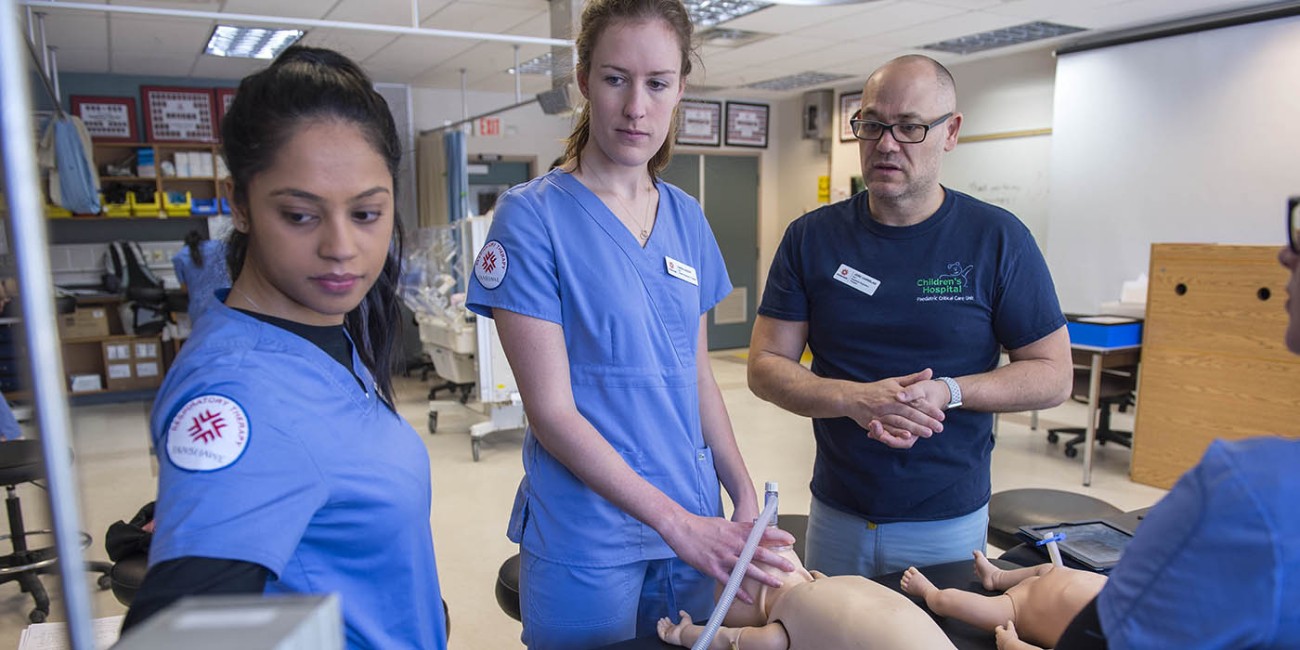
Respiratory therapists are integral to neonatal intensive care units (NICUs), delivering immediate and ongoing care for infants with breathing difficulties.
Key Interventions
- CPAP (Continuous Positive Airway Pressure): Keeps airways open
- Supplemental oxygen: Supports oxygen levels
- Mechanical ventilation: Assists or replaces breathing
- Surfactant replacement therapy: Improves lung function
“We try to avoid intubation if possible, but sometimes it’s necessary to stabilize the baby and deliver surfactant.”
Their role extends from delivery room resuscitation to long-term respiratory management, helping improve survival and quality of life.
Long-Term Outcomes: Do Breathing Problems Persist?
Not all premature infants experience long-term complications, but some develop chronic conditions such as bronchopulmonary dysplasia (BPD).
Factors That Influence Outcomes
- Gestational age at birth
- Severity of respiratory distress
- Duration of ventilator use
“Sometimes the very treatment we give, like mechanical ventilation, causes damage to the alveoli.”
Recovery and Lung Development
Encouragingly, infant lungs continue to grow after birth.
“Some babies recover completely. Others will have lasting effects. It really depends on how early they were born.”
The Future of Neonatal Respiratory Therapy
While major breakthroughs like surfactant therapy transformed neonatal care, current advancements are focused on precision and optimization.
AI and Data-Driven Care
Artificial intelligence is emerging as a powerful tool in neonatal respiratory therapy.
“We haven’t had a drastic change in a while, but AI could help us understand what works and what doesn’t.”
By analyzing real-time clinical data, ventilator settings, vital signs, and treatment responses, AI could help clinicians tailor interventions to each infant.
“If you could collect data from every baby born prematurely in Canada… you could find patterns and predict which treatments lead to better outcomes.”
Advances in Ventilation and Beyond
- Improved ventilator precision
- Expanded use of high-frequency ventilation
- Exploration of artificial placenta systems (long-term research)
Image
From Care to Career: The Role of Respiratory Therapists
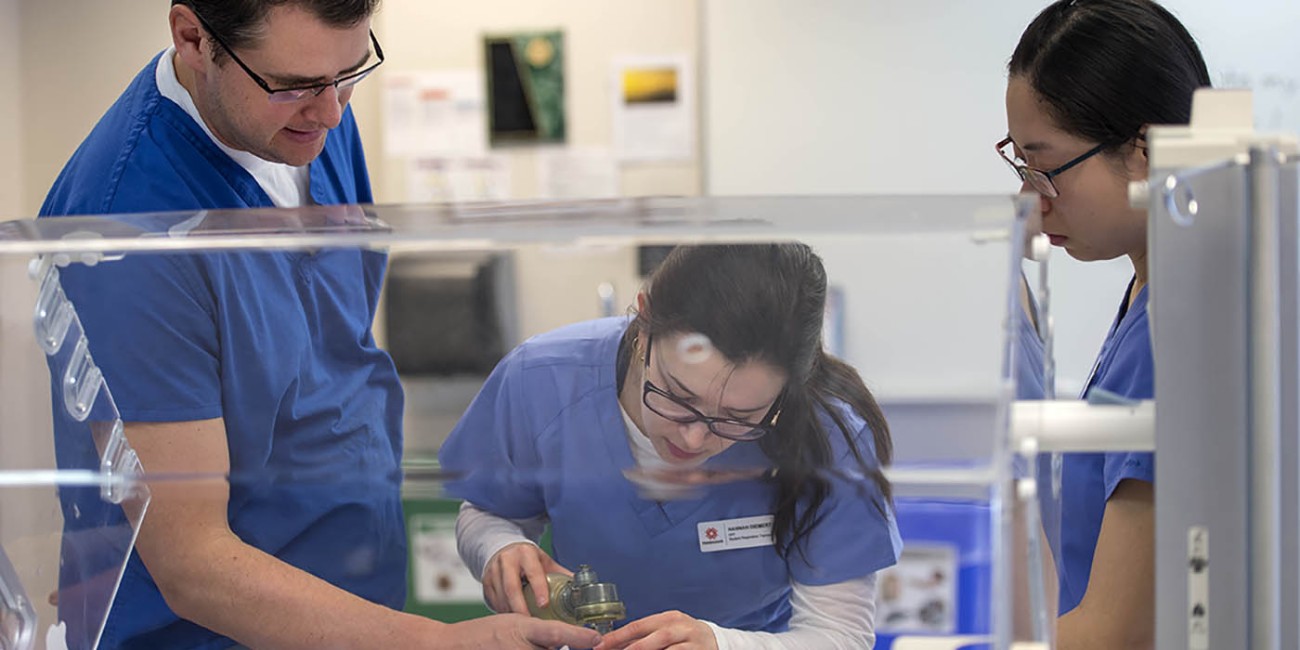
Respiratory therapists play a critical role across the continuum of neonatal care, from emergency intervention to long-term management.
For those interested in pursuing this field, the Respiratory Therapy Program at Fanshawe College provides hands-on training in clinical respiratory care, including neonatal and critical care environments.
Conclusion
Neonatal respiratory therapy sits at the intersection of critical care, evolving technology, and long-term patient outcomes. From understanding why premature babies struggle to breathe to advancing AI-driven treatment approaches, the field continues to refine how care is delivered.
As research and technology progress, the goal remains constant: improving survival, reducing complications, and giving newborns the strongest possible start.
This article was developed by Vansh Paul, Marketing Management student. Brought to you in collaboration with Village Creative, an experiential learning opportunity at Fanshawe College.
For any media inquiries, please reach out to mediainquiries@fanshawec.ca
Recent News
-
October 22, 2026
Temporary service interruptions related to the global PHP outage
Read StoryAs many organizations around the world continue to respond to what is becoming known as the "PHP... -
October 22, 2026
Dell Top Tech sale, October 2026
Read StorySavings for Fanshawe students and employees Looking for a new laptop, monitor or desktop? Dell... -
October 21, 2026
Complex challenges require collaborative solutions
Read OpinionAs Fanshawe looks toward 2035, our leaders will share their perspectives on the issues that matter...
Recent News
-
May 8, 2025
Construction Delays
Read StoryDue to ongoing construction in the area, there may be delays in reaching our clinic. We kindly ask... -
April 15, 2025
New Spring Schedule
Read StoryWe’re excited to announce that the spring schedule is now available on our website as we transition... -
December 16, 2024
2025 Pricing Adjustment
Read StoryEffective January 1st, our fees will increase to $30 per treatment. We understand that this is a...