

Published
Thursday, May 14 2026
Last Updated
An interview with Dave Wall, RRT/CCAA, B.Sc, M.Ed, FCSRT , faculty, Respiratory Therapy
A clinical look at how respiratory therapists support safe surgery through airway control, real-time monitoring, and collaboration with anesthesia teams.
Introduction: The Hidden Role of Respiratory Therapists in Surgery
In the operating room (OR), every second, and every breath, matters. While surgeons and anesthesiologists are often the most visible members of the surgical team, respiratory therapists (RTs) play a critical behind-the-scenes role in ensuring patient safety before, during, and after surgery.
“Airway management is the biggest thing that respiratory therapists are involved in during surgery.”
From preparing life-sustaining equipment to managing complex airways and monitoring vital signs in real time, RTs are essential to modern perioperative care.
What Does a Respiratory Therapist Do in the Operating Room?
Preoperative Preparation: Setting the Stage for Safe Surgery
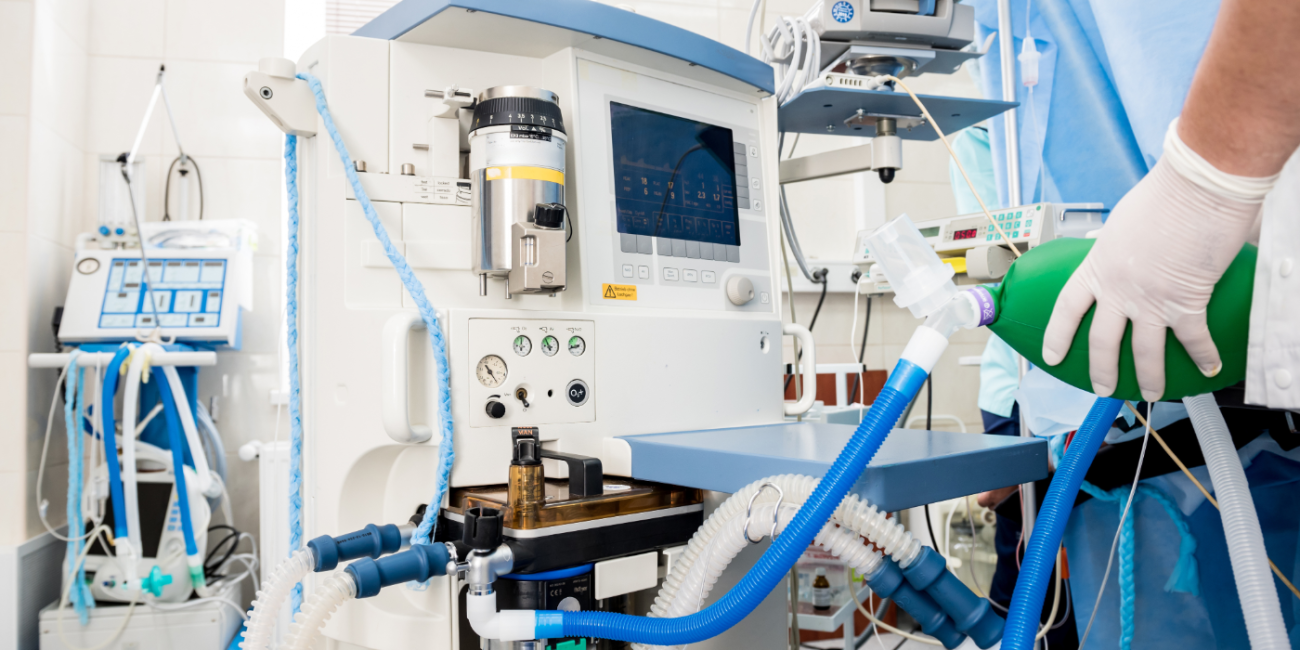
Respiratory therapists are often the first clinicians in the OR each day, responsible for ensuring that critical systems are functioning properly.
Their responsibilities include:
- Checking anesthetic gas machines
- Preparing airway equipment
- Ensuring monitoring devices are calibrated and ready
“If there's a problem, it's our job to address it before the first patient of the day.”
In many cases, RTs may prepare multiple operating rooms before surgery begins.
Image
Airway Management During Surgery: Protecting the Patient’s Lifeline
Airway management is one of the most critical responsibilities of respiratory therapists in the OR.
Types of Airway Devices
- Endotracheal tubes
- Laryngeal mask airways (LMA)
- Nasal intubation (for oral or facial procedures)
RTs assist in selecting, placing, and securing these devices to ensure uninterrupted breathing throughout surgery.
“If we ever lose the airway during surgery, it can lead to a major crisis.”
Managing Complex Surgical Positions
Certain procedures, such as spinal surgeries performed in the prone position, require additional vigilance.
RTs must:
- Secure the airway before repositioning
- Confirm placement after positioning
- Monitor for displacement during surgery
Intraoperative Monitoring: Real-Time Patient Safety
Once the airway is secured, RTs shift focus to monitoring the patient’s respiratory and cardiovascular status.
Basic Monitoring
- ECG (heart activity)
- Blood pressure
- Oxygen saturation
“We always start with… ECG leads, a blood pressure cuff, and… oxygen saturation.”
Advanced Monitoring Techniques
For high-risk patients, RTs manage more complex systems:
- Arterial lines: Continuous blood pressure monitoring
- Central venous lines: Pressure near the heart
- Transesophageal echocardiograms (TEE): Real-time cardiac imaging
“While a blood pressure cuff provides a snapshot, an arterial line offers a live video feed.”
Accuracy is critical, incorrect positioning can lead to misleading data and clinical risk.
Collaboration in the Operating Room: A Team-Based Approach
Respiratory therapists work closely with:
- Anesthesiologists
- Anesthesia assistants
- Surgeons
- Nurses and technologists
Pre-Surgical Planning
Before each case, RTs collaborate with anesthesia providers to determine:
- Airway approach
- Monitoring requirements
- Patient-specific considerations
“We’ll meet with the anesthesia provider to plan how the induction will go.”
Supporting Induction and Emergencies
During anesthesia induction, RTs assist with:
- Airway instrumentation
- Patient positioning
- IV preparation (in some cases)
In emergencies or unexpected complications, RTs provide critical backup.
“The RT becomes a second set of hands and a second set of eyes for anesthesia.”
Image

Specialized Airway Challenges in Surgery
Some procedures require shared access to the airway, particularly in dental, oral, or facial surgeries.
RTs must adapt by:
- Using nasal or oral intubation depending on surgical site
- Repositioning equipment to maintain sterile fields
“It’s almost like a choreographed dance in the OR.”
This level of coordination ensures both surgical access and patient safety.
Postoperative Care: Ensuring a Safe Recovery
At the end of surgery, respiratory therapists may return to assist with:
- Safe removal of airway devices
- Monitoring breathing and oxygenation
- Ensuring stable transition to recovery
“When we take the airway out… [we ensure] they are breathing appropriately on their own.”
The Skills Behind Perioperative Respiratory Care
Working in the OR requires a unique combination of:
- Technical expertise
- Rapid decision-making
- Communication and teamwork
- Precision under pressure
RTs must be prepared for both routine procedures and high-risk emergencies.
From Operating Room to Career Path
The expanding role of respiratory therapists in surgical and critical care settings highlights the need for specialized training.
For those interested in this field, the Respiratory Therapy Program at Fanshawe College provides hands-on clinical experience in airway management, monitoring technologies, and interdisciplinary care.
Conclusion: Precision, Collaboration, and Patient Safety
Respiratory therapists are integral to safe surgical care, managing the airway, monitoring vital signs, and supporting the surgical team through every phase of a procedure.
Their work may happen behind the scenes, but its impact is immediate and critical.
In an environment where every breath matters, their expertise ensures that patients are supported—moment by moment—through some of the most complex medical procedures.
This article was developed by Palak Malhotra, Marketing Management student. Brought to you in collaboration with Village Creative, an experiential learning opportunity at Fanshawe College.
For any media inquiries, please reach out to mediainquiries@fanshawec.ca
Recent News
-
May 14, 2026
Golf Course Management Trends: Technology, Sustainability & Growth
Read OpinionExplore modern golf course management trends including AI technology, sustainability, diversity, and year-round revenue strategies in the golf industry. -
May 14, 2026
Measles Symptoms, Complications & Prevention: Respiratory Risks Explained
Read OpinionLearn the symptoms of measles, its respiratory complications like pneumonia, and how vaccination and public health strategies prevent outbreaks. -
May 14, 2026
Respiratory Therapists in the OR: Airway Management & Surgical Care
Read OpinionDiscover the role of respiratory therapists in the operating room, from airway management to intraoperative monitoring and surgical team collaboration.
Recent News
-
May 8, 2025
Construction Delays
Read StoryDue to ongoing construction in the area, there may be delays in reaching our clinic. We kindly ask... -
April 15, 2025
New Spring Schedule
Read StoryWe’re excited to announce that the spring schedule is now available on our website as we transition... -
December 16, 2024
2025 Pricing Adjustment
Read StoryEffective January 1st, our fees will increase to $30 per treatment. We understand that this is a...