
Published
Monday, May 11 2026
Last Updated
An interview with Claudio Mastroianni, Program Coordinator, Welding and Fabrication Technician Program
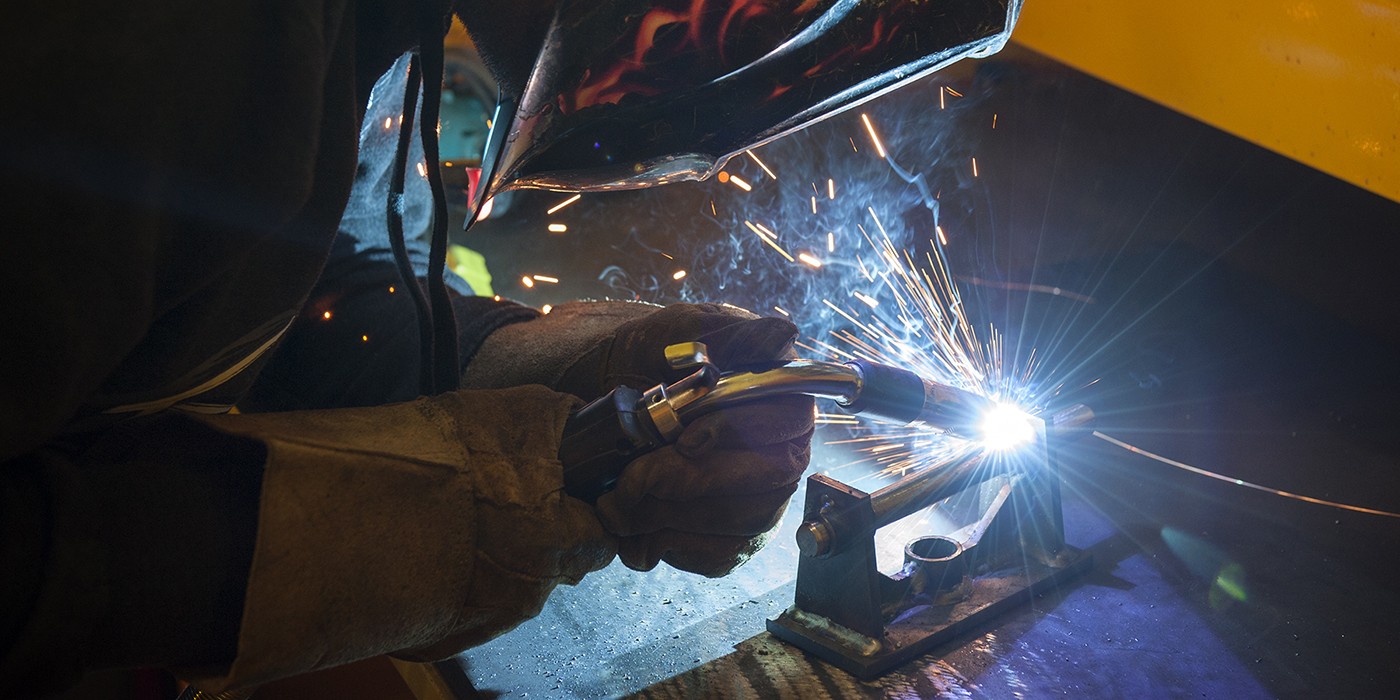
Not all welding metals behave the same. Some are easier to work with. Others require more control, preparation and specific techniques. Understanding weldability helps explain why. Weldable metals include carbon steel, stainless steel, aluminium, nickel alloys, titanium, copper and cast iron. Each responds differently to heat and must be handled accordingly.
What is weldability?
Weldability refers to how easily a metal can be welded without defects. It is not based on one factor. Instead, it depends on how a material responds to heat, how clean it is and how it is prepared before welding. “You have to match your welding method to the material and the application.”
Image
Material composition and tensile strength
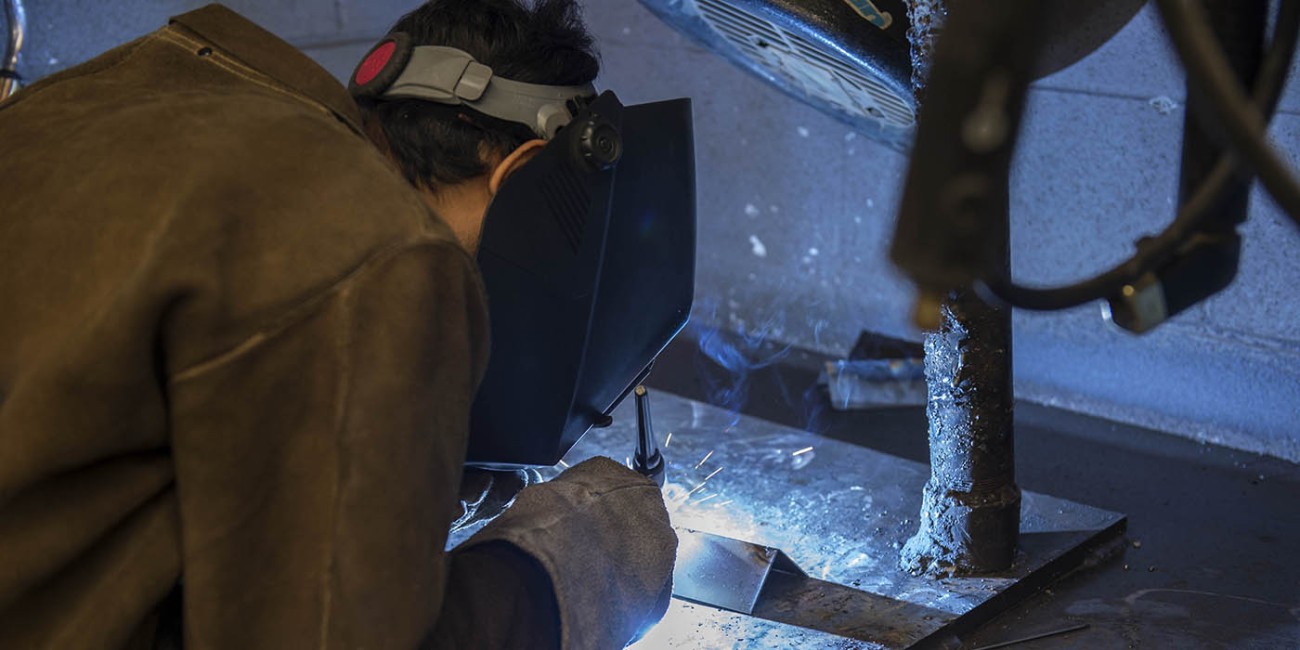
A metal’s composition plays a major role in how it behaves during welding. Carbon content is one of the most important factors. Higher carbon levels can increase hardness, but they also increase the risk of cracking as the metal cools. This connects to tensile strength, which refers to how much stress a material can handle before breaking. As strength increases, the margin for error decreases. Welders must carefully control heat and technique to avoid defects. Alloying elements such as chromium, nickel or magnesium can also affect hardness and how the material reacts to heat.
Heat behaviour and thermal movement
Heat affects every part of the welding process. Some metals absorb heat quickly, while others retain it. Aluminium, for example, pulls heat away from the weld zone, making it harder to maintain a consistent weld pool. Thermal expansion also plays a role. “Heat conductivity and expansion are important for a lot of materials, especially aluminium and stainless steel.” Materials like stainless steel expand more than carbon steel, which can lead to distortion if not managed properly.
Surface condition and contamination
Even the right welding metal can fail if the surface is not prepared properly. Contaminants such as: oxides, oil, paint or coatings can prevent proper fusion and create weak welds. Aluminium oxide is a common example. It melts at a much higher temperature than the metal beneath it, so it must be removed before welding. Clean preparation is often the difference between a strong weld and a failed one.
Matching the process to the material
Different metals require different welding approaches, and modern welding systems are increasingly using automation and AI-supported technology to help improve consistency and precision across different materials. For example:
- MIG welding is often used for aluminium and production work
- TIG welding is used for precision on stainless steel
- Stick welding is common for outdoor work and repairs
This is why understanding both the material and the process matters.
Putting weldability into practice
Weldability is not about memorizing rules. It is about understanding how materials respond and adjusting your approach. With experience, welders learn how to: choose the right process, control heat input, prepare materials properly and avoid defects before they happen.
That is what turns basic welding into skilled work.
This article was developed by Trong Truong Son Vu, Honours Bachelor of Commerce - Digital Marketing (Co-op) student. Brought to you in collaboration with Village Creative, an experiential learning opportunity at Fanshawe College.
For any media inquiries, please reach out to mediainquiries@fanshawec.ca
Recent News
-
October 23, 2026
Poppies available starting October 24
Read StoryOn October 24, Canadians are encouraged to start wearing poppies in honour of our veterans and... -
October 22, 2026
Temporary service interruptions related to the global PHP outage
Read StoryAs many organizations around the world continue to respond to what is becoming known as the "PHP... -
October 22, 2026
Dell Top Tech sale, October 2026
Read StorySavings for Fanshawe students and employees Looking for a new laptop, monitor or desktop? Dell...
Recent News
-
May 8, 2025
Construction Delays
Read StoryDue to ongoing construction in the area, there may be delays in reaching our clinic. We kindly ask... -
April 15, 2025
New Spring Schedule
Read StoryWe’re excited to announce that the spring schedule is now available on our website as we transition... -
December 16, 2024
2025 Pricing Adjustment
Read StoryEffective January 1st, our fees will increase to $30 per treatment. We understand that this is a...