
Published
Thursday, May 14 2026
Last Updated
An interview with Lyona Lunter, RPhT, BA, MPEd, program coordinator, Pharmacy Technician and Community Pharmacy Assistant
What Is OTC Medication? Understanding Over-the-Counter vs Behind-the-Counter Drugs in Canada
A Faculty Perspective on Over-the-Counter vs Prescription Medications and Medication Safety in Canada
What Is OTC Medication?
When patients ask “what is OTC medication?”, they are often referring to drugs they can purchase without a prescription.
Over-the-counter (OTC) medications are non-prescription drugs available for self-selection, typically used to treat common conditions like pain, allergies, or heartburn.
Understanding how these medications are classified, and why some require additional oversight, is a foundational concept taught in programs like the Community Pharmacy Assistant program, where students learn how medications are safely accessed, processed, and dispensed in real-world pharmacy settings.
Over-the-Counter vs Behind-the-Counter Medications
A key distinction in Canadian pharmacy practice is over-the-counter vs behind-the-counter medications.
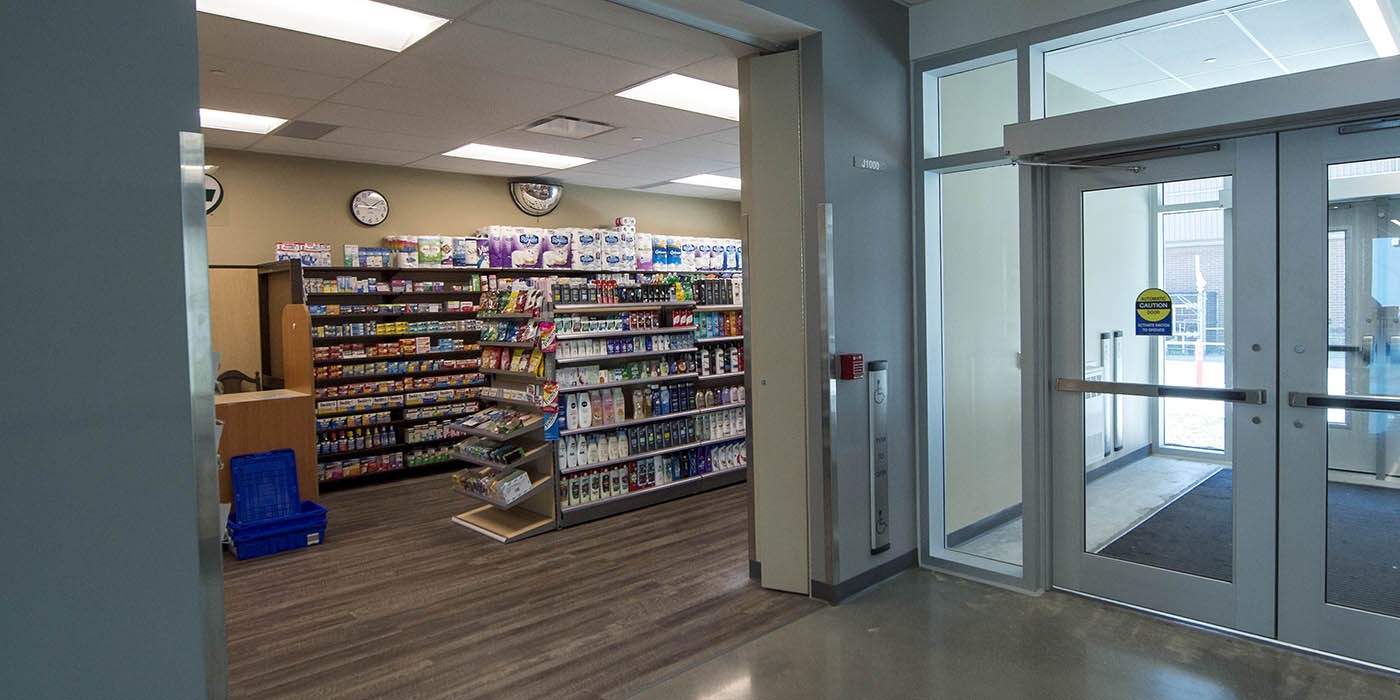
- Over-the-counter (OTC) medications are available directly on store shelves
- Behind-the-counter (BTC) medications do not require a prescription but must be obtained from a pharmacist
Behind-the-counter medications are intentionally placed out of direct reach to ensure a conversation takes place before use. These may include treatments like emergency contraception or certain specialty medications.
This distinction reflects how pharmacy teams support both access and safety—a concept reinforced through hands-on training and real-world placements in pharmacy education programs.
Image
Over-the-Counter vs Prescription Drugs: What’s the Difference?
Another important comparison is over-the-counter vs prescription medications.
- Prescription drugs require authorization from a licensed healthcare provider
- OTC drugs are considered safe for use without direct supervision when used as directed
These classifications are based on risk, potential misuse, and the need for clinical oversight.
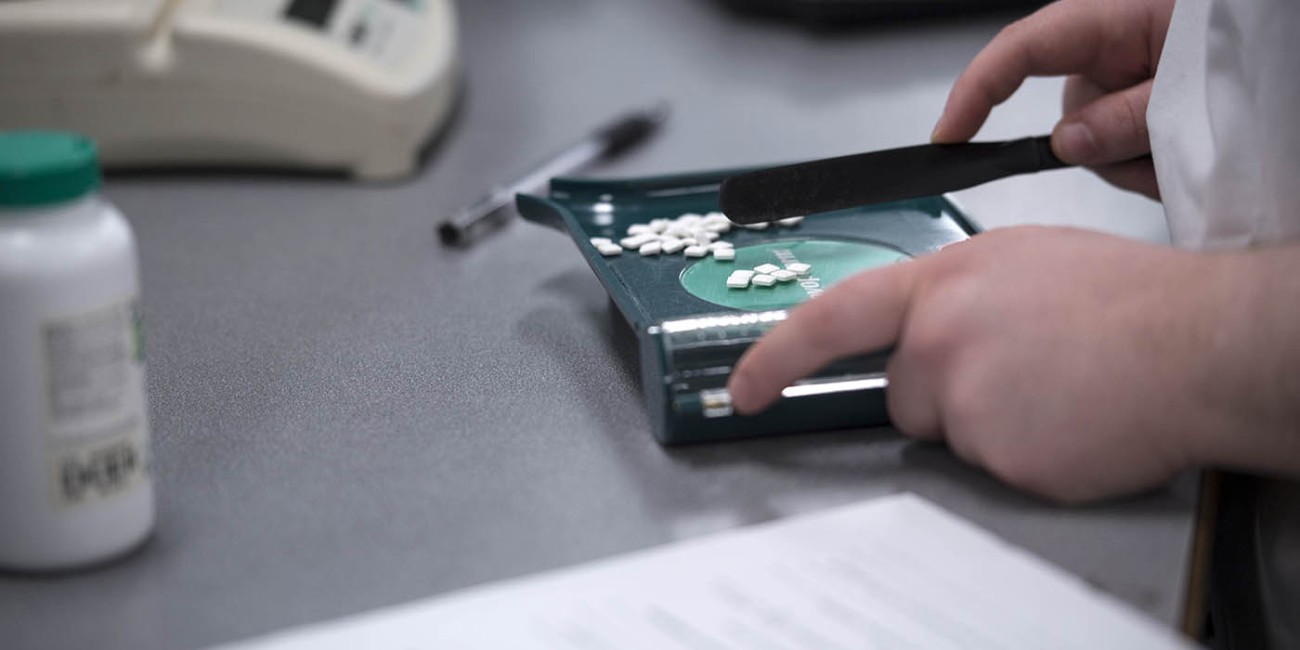
For students pursuing regulated healthcare roles, these distinctions are explored in depth in the Pharmacy Technician program, where learners develop the knowledge and practical skills required to safely prepare and release medications within professional standards.
Medication Safety in Canada: A System of Checks and Balances
Medication safety in Canada is built on a multi-layered system designed to prevent errors and protect patients.
Every prescription, and many non-prescription interactions, pass through several checkpoints:
- Pharmacy assistants collect accurate patient information
- Registered pharmacy technicians perform the technical verification
- Pharmacists conduct a clinical (therapeutic) review
This team-based approach reflects real-world pharmacy environments, where collaboration and clearly defined roles are essential to ensuring patient safety.
Why Pharmacist Involvement Matters
Some medications require pharmacist involvement because of potential risks, including:
- Drug interactions
- Allergic reactions
- Incorrect dosage or misuse
Even when a medication is technically correct, it may not be clinically appropriate for a specific patient. Pharmacists act as the final safeguard, ensuring medications are safe and effective.
Technology and Medication Safety in Canada
Modern pharmacy practice is supported by digital tools that enhance medication safety:
- Software systems flag drug interactions and allergies
- Patient profiles track medication history
- Tools like Pharmapod support continuous improvement
Students training in pharmacy-related programs gain exposure to these systems through simulated labs and real-world placements, preparing them for increasingly technology-enabled practice environments.
Balancing Access, Privacy, and Safety
While safety systems are essential, they can sometimes create barriers.
Requiring patients to request certain medications, especially sensitive ones, may lead to discomfort or hesitation. In some cases, even medication that could be self-selected are placed behind the counter, limiting ease of access.
This highlights an ongoing challenge in pharmacy practice: balancing accessibility with patient safety and privacy.
The Human Side of Pharmacy Practice
Medication safety is not just about systems, it’s about people.
Behind every prescription is a patient navigating a health concern. Pharmacy professionals must combine technical expertise with empathy, ensuring patients feel supported and respected.
Preparing the Next Generation of Pharmacy Professionals
For students entering the field, understanding both the science and responsibility of medication use is essential.
Programs that combine classroom learning with applied experience, such as laboratory training and field placements, help students develop the skills needed to contribute to safe, effective pharmacy practice. These programs also provide pathways for continued education and career advancement within the healthcare system.
Conclusion: Why Understanding OTC Medication Matters
Understanding what OTC medication is, and how it differs from behind-the-counter and prescription drugs, provides valuable insight into how healthcare works in Canada.
The distinctions between over-the-counter vs behind-the-counter and over-the-counter vs prescription medications are foundational to medication safety in Canada.
By combining regulation, professional oversight, and education, pharmacy practice ensures that patients receive safe, effective, and appropriate care at every step.
This article was developed by Joshua Millard, Bachelor of Commerce - Digital Marketing (Co-op) student. Brought to you in collaboration with Village Creative, an experiential learning opportunity at Fanshawe College.
For any media inquiries, please reach out to mediainquiries@fanshawec.ca
Recent News
-
October 2, 2026
The Royal Canadian Air Force partners with Fanshawe College to deliver training
Read Full ReleaseThe Royal Canadian Air Force (RCAF) has partnered with Fanshawe College to deliver aviation... -
September 30, 2026
Part-Time Faculty named OHS Educator of the Year
Read StoryDel Garcia, a part-time instructor in Fanshawe’s Occupational Health and Safety (OHS) program, has... -
September 30, 2026
Live Chic is now The Fashion Lab
Read StoryNew term, new season, new name! The Fashion Marketing and Management students welcome you to the The...
Recent News
-
May 8, 2025
Construction Delays
Read StoryDue to ongoing construction in the area, there may be delays in reaching our clinic. We kindly ask... -
April 15, 2025
New Spring Schedule
Read StoryWe’re excited to announce that the spring schedule is now available on our website as we transition... -
December 16, 2024
2025 Pricing Adjustment
Read StoryEffective January 1st, our fees will increase to $30 per treatment. We understand that this is a...