
Mechanical Techniques
Image

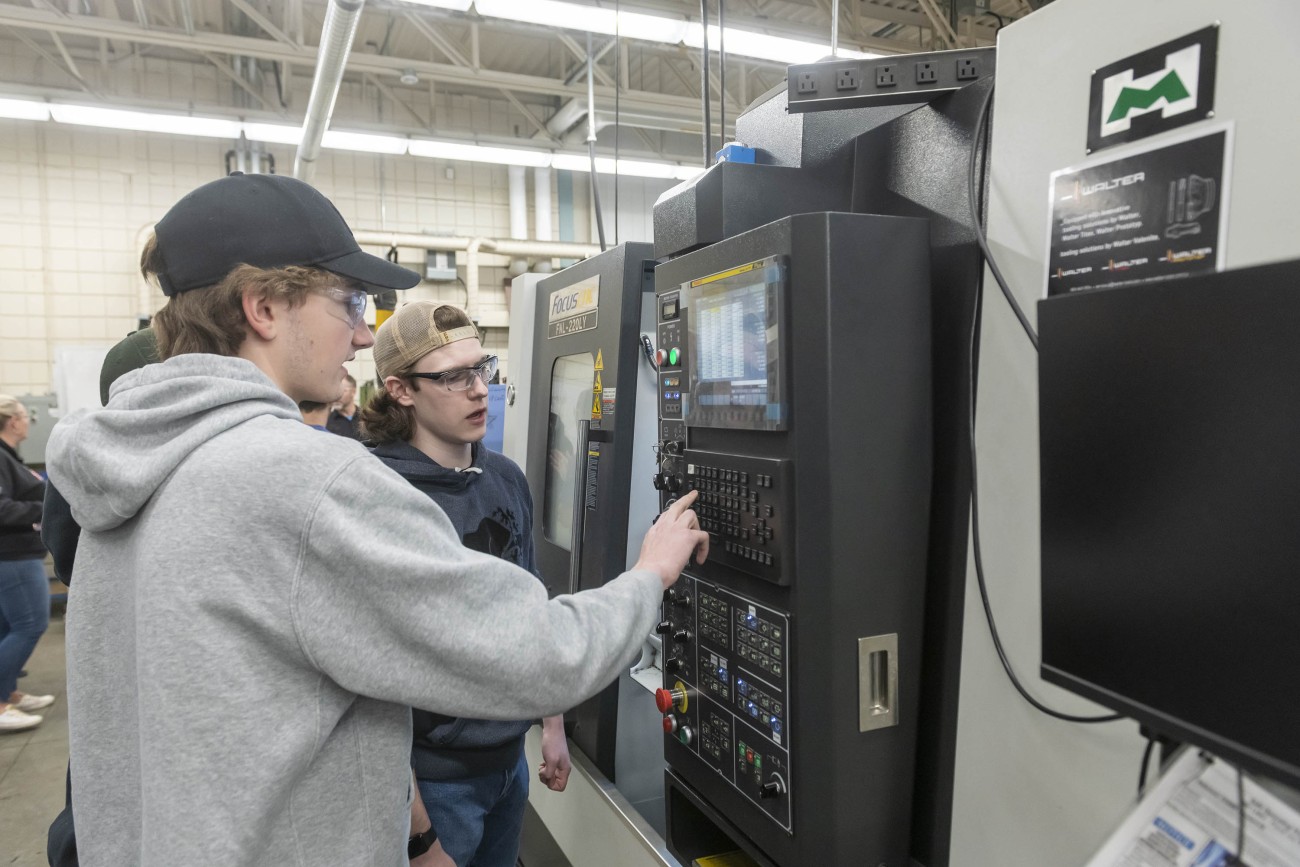
Throughout the program, students learn to plan machining processes, set up and operate conventional and CNC machining equipment, troubleshoot production challenges, design parts and apply their skills to workplace scenarios. A strong emphasis is placed on hands‑on learning, giving students practical experience in metal machining and programming environments that reflect current industry practices.
The program builds a solid technical foundation through courses in machine trade theory, machine shop practices, mechanical blueprint reading, and applied mathematics. As digital technology plays a critical role in today’s manufacturing sector, students are introduced to computer applications, computer numerical control technology, and computer‑aided design (CAD) using both 2D and 3D tools. These skills are reinforced through applied projects and real‑world problem solving.
Developed in collaboration with industry partners, the MQC program focuses on technical competence, problem‑solving ability, and employability skills. Graduates complete the program with hands‑on experience, industry connections gained through co‑op placements, and the practical skills needed for entry‑level opportunities and continued learning in machining and manufacturing.
Graduates are prepared for entry‑level roles such as manufacturing technician, production technician, machining assistant, quality support technician, or fabrication assistant, and for further training or apprenticeship pathways within the skilled trades.
Did you know Fanshawe consistently ranks high in graduation employment rates among large colleges in Ontario?
Here are some examples of career opportunities for graduates of Fanshawe’s Mechanical Techniques program:
Wayne Dejong

Join Us for Open House
Bring your future into focus. Connect with faculty and current students, explore programs and career possibilities, and get the answers you need about admissions, financial aid, student life and more!
[1] Total program costs are approximate and subject to change. They do not include additional fees such as the health and dental plan, bus pass, or general expenses. Learn more about ancillary and additional fees.
