

Reading Time
3 minutes, 30 seconds
Published
Thursday, July 2, 2026
Last Updated
Warm weather is a great time to get outside and enjoy campus life. With rising temperatures, it’s also a good idea to take a few simple steps to stay comfortable and avoid heat-related issues.
At a glance: staying cool checklist
- Drink water regularly and bring a refillable bottle
- Wear sunscreen, a hat and sunglasses outdoors
- Choose light, breathable clothing
- Take breaks in shaded or air-conditioned spaces
- Plan outdoor activities for cooler parts of the day
- Check in on friends, classmates and neighbours
- Know the early signs of heat-related illness
Everyday tips for students
1. Build good hydration habits
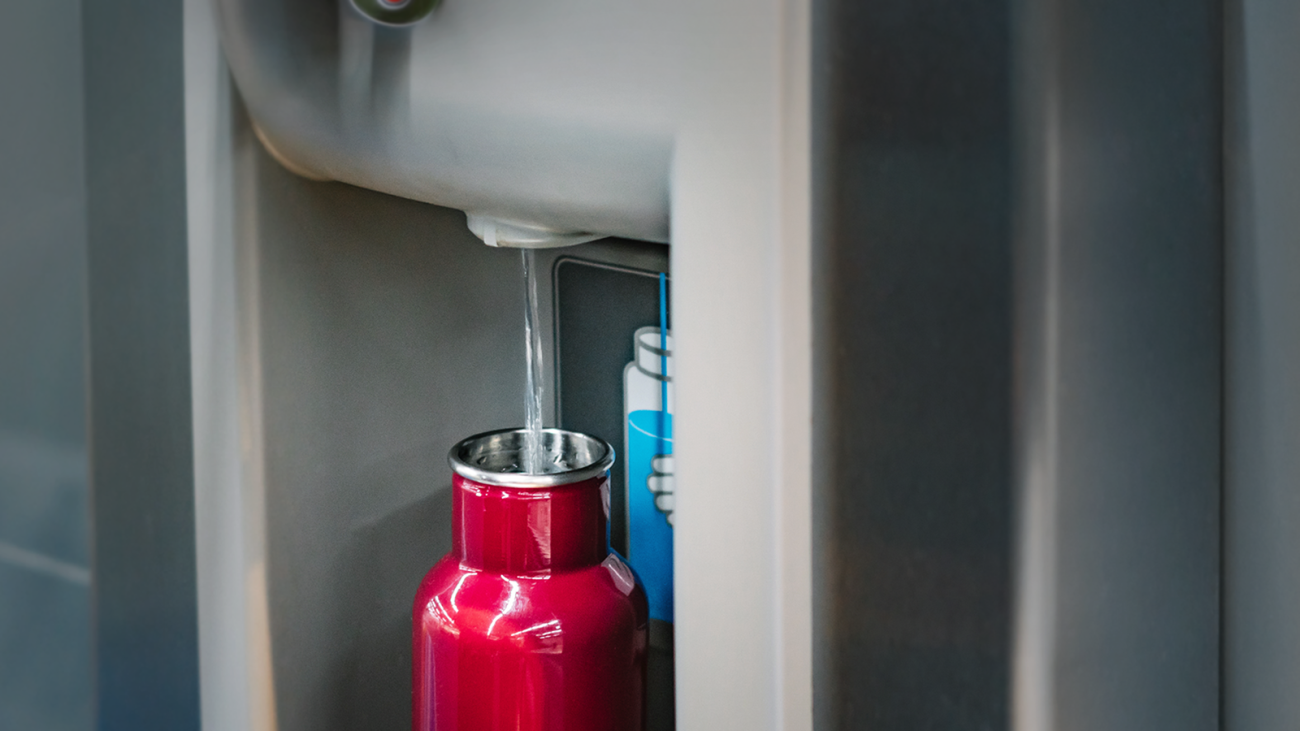
Drink plenty of water, even if you’re not thirsty. Your body loses fluid through sweat as it works to stay cool. Staying hydrated helps regulate body temperature, support vital functions like your kidneys and muscles, and reduce the risk of dehydration.
Generally speaking, in hot conditions the human body needs to replace approximately one cup (250 mL) of fluid every 20-30 minutes.
Image
Tips:
- Heading to class or commuting? Bring a reusable water bottle and sip throughout the day.
- If you’re sweating a lot, especially during physical activity, replacing electrolytes can help maintain balance and prevent fatigue.
- You can also boost hydration with foods like watermelon, cucumbers and oranges. Light snacks like fruit can help keep your energy up while adding to your fluid intake.
2. Seek out cool spaces
Air-conditioned spaces can offer a welcome break from the heat. Spend time on campus or visit community spaces like libraries, community centres or malls when you need to cool off.
Spending time outside?
- If you’re walking or taking transit, look for shaded routes and take short breaks indoors when you can.
- If studying outdoors, choose shaded areas and take regular breaks to cool off.
Learn more about local cooling spaces in your community:
- London: https://london.ca/cooling-centres
- Middlesex County: https://library.middlesex.ca/locations
- St. Thomas and Woodstock: https://www.swpublichealth.ca/community-health/environmental-health/weather-alerts/extreme-heat/
- Haldimand and Norfolk Counties: https://geph.ca/public-health-topic/environmental-health-and-safety/extreme-weather-notifications/
3. Dress for the weather
Choose lightweight, loose-fitting, breathable clothing. Light-coloured fabrics can help you stay cooler. A wide-brimmed hat and sunglasses offer added protection from direct sun.
Don't forget to apply sunscreen generously. If you’re spending time outside, apply skin protection before heading out (the higher the SPF, the better) and reapply more every couple of hours, especially if you’re sweating or swimming.
Image

4. Plan activities thoughtfully
Try to schedule walks, workouts or outdoor activities during cooler parts of the day, whenever possible. Aim for early morning or evening when temperatures are lower. Keep water nearby and consider drinks with electrolytes after longer or more intense activity.
5. Look out for each other
Hot weather can affect people differently. Older adults, young children and those with certain health conditions may be more sensitive to heat. Take a moment to check in with friends, family or neighbours who may need extra support.
Don’t forget your pets! Make sure animals always have access to fresh water and shade. Avoid walking them on hot pavement and never leave them in parked vehicles.
6. Know the signs of heat-related illness
Be aware of symptoms like swelling, rash, cramps, dizziness, fainting or fatigue. Recognizing these warning signs early can help you cool down, recover more quickly and prevent more serious issues.
Heat stress can affect anyone, anytime.
- Our bodies naturally maintain a temperature between 36 and 38 C. Sweating cools us down, but in very hot conditions this may not be enough.
- When a human body cannot adequately remove excess heat, the body's core temperature rises and the heart rate increases. This can lead to heat stress, heat exhaustion and heat stroke.
- Factors affecting heat-related illness can include: direct sun exposure, high temperature, high humidity, limited air movement, physical exertion, pregnancy, medications, pre-existing health conditions, weight, age and health history.
- The most effective way to reduce the risk of heat-related illness is through prevention.
7. Stay informed
Keep an eye on local weather forecasts and public health updates for tips and guidance throughout the summer:
- Middlesex-London Health Unit
- Southwestern Public Health
- Grand Erie Health Unit (formerly Haldimand-Norfolk Health Unit
- Environment Canada
By planning ahead and taking a few simple steps, you can stay comfortable, enjoy the season safely and remain ready for whatever summer brings your way!
Image

Related Blog Posts
Image

Beyond the screen: understanding TFSV
October 2, 2026
With contributions from: Mackenzie Hartung, MPS, B.A. (Hons), Sexual Violence Prevention Coordinator, Fanshawe College
Every day we spend a great deal of our lives online: connecting with friends, sharing ideas, forming and building relationships
Image

Traffic Rules on Campus and Traffic Safety Tips
August 28, 2025
Prioritize safety on campus! Learn about Fanshawe's traffic rules, including the 25 km/h speed limit, yielding to pedestrians, and construction zone alerts.
View Blog Post
Image

Innovation in Education: 5 Ways Fanshawe is Improving Student and Community Life
June 12, 2025
Improving student and community life through innovation is the goal of our Innovation Fund. Here are five ways we're doing just that.
View Blog Post