
Reading Time
4 minutes
Published
Tuesday, May 12, 2026
Last Updated
An interview with Patrick Hersey, program coordinator, Culinary Skills and Culinary Management
Stock and broth are often used interchangeably, but in the kitchen, they are not the same. Understanding stock vs broth can help improve flavour, texture and overall cooking results. Once you understand the difference between stock and broth, you can also learn how to make both from scratch using simple ingredients and a few key techniques.
Stock vs broth: what’s the difference?
The difference between stock and broth comes down to what goes into the pot.
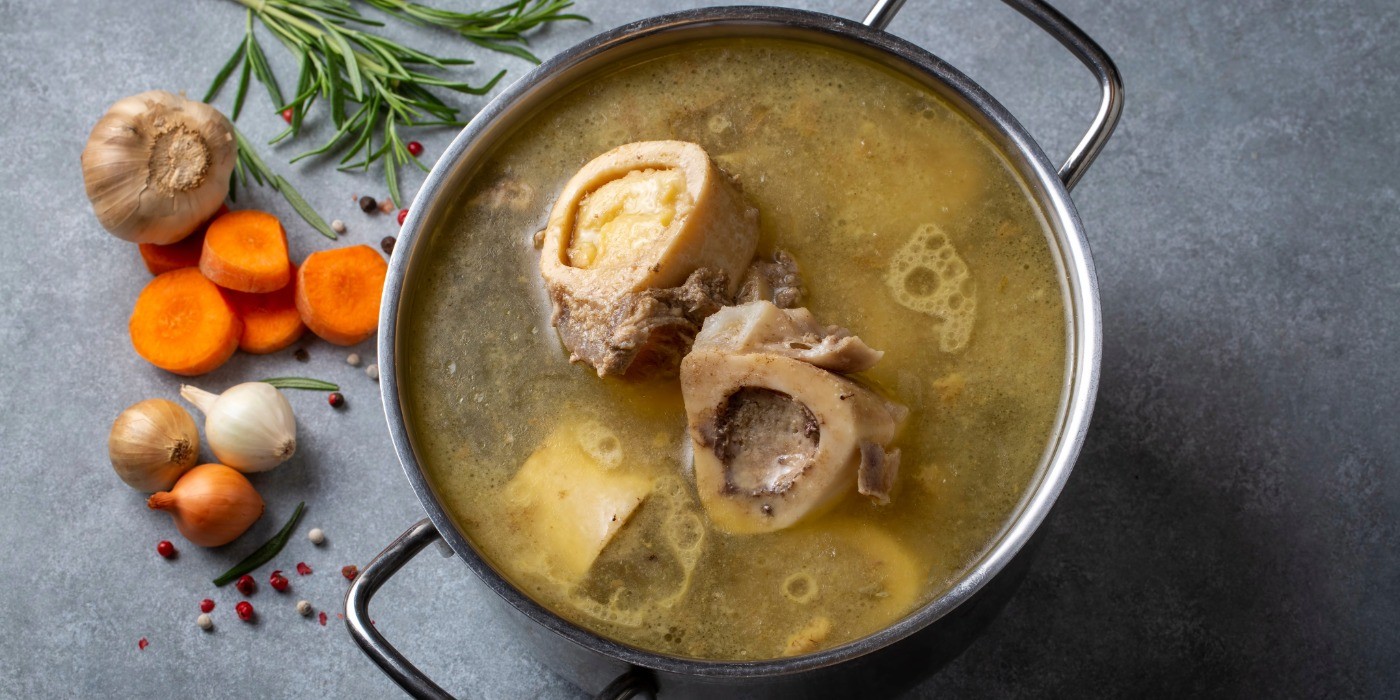
Stock is typically made with bones, often with very little meat
Broth is made with meatier bones or whole cuts of meat
“With broth, you’re going to get more flavour naturally, because you’re using more meat in the process.”
Stock tends to have more body because of the collagen released from bones. Broth tends to be more flavourful and ready to use on its own.
Why making stock or broth from scratch matters
Making stock or broth from scratch is a foundational culinary skill. It builds flavour in, soups, sauces, gravies and grains like rice. The ingredients are simple: bones, water, vegetables and time, but technique is what makes the difference.
Before adding bones to your pot, roasting them can deepen flavour.
“It gives you more colour, which translates to more flavour.”
Roasting creates caramelization, which develops rich savoury notes. This is especially useful when making darker stocks or broths for sauces and soups.
Don’t skip the vegetables
A classic base called mirepoix adds depth and balance.
It typically includes:
- 50 percent onion
- 25 percent carrot
- 25 percent celery
These ingredients help round out the flavour. You can roast them alongside the bones for even more complexity. Avoid strong vegetables like cabbage, green peppers or turnips, as they can overpower the final result.
How to make broth or stock without over-seasoning
One of the most common mistakes is adding salt too early.
“With stocks, we don’t season, because the whole idea is that it’s meant to be multi-purpose.”
Instead of salt, build flavour with bay leaves, peppercorns and fresh herbs like thyme or rosemary. Season later, depending on how you use it.
Using acid to boost extraction
Adding a small amount of acid can help extract more from the bones.
“Acidic ingredients help break down the protein in the bones. You’ll get more collagen, which adds to the nutritional value.”
This is one reason bone broths are often associated with higher nutritional value.
Choosing the right bones
The type of bones you use affects both flavour and texture. Good options include:
- Chicken necks and backs
- Marrow bones
- Knuckle or joint bones
- Lean fish bones such as cod or halibut
“You can use any type of bone, chicken, beef, lamb, even fish. It all depends on what you cook.”
Avoid oily fish like salmon if you want a lighter result.
Tips for making stock or broth at home
A few simple habits can make the process easier:
- Freeze bones until you are ready to use them
- Add parmesan rinds for extra flavour
- Make stock while preparing other meals
- Use fresh ingredients, not spoiled ones
Small steps can improve results.
How long stock or broth lasts
Once made, proper storage is important. In the fridge, stock or broth lasts about five days, while in the freezer, it can last six to nine months. Freezing in small portions makes it easier to use later.
Stock vs broth: which should you use?
Choosing between stock and broth depends on the dish.
Use stock when you want a base that adds body and thickness as it cooks, especially for sauces or heartier soups.
Use broth when you want more flavour right away, like in a light soup or something you might drink on its own.
Both play an important role in cooking and once you know how to make them from scratch, you can use each one with more confidence.
This article was developed by Vansh Paul, Marketing Management student. Brought to you in collaboration with Village Creative, an experiential learning opportunity at Fanshawe College.